Land


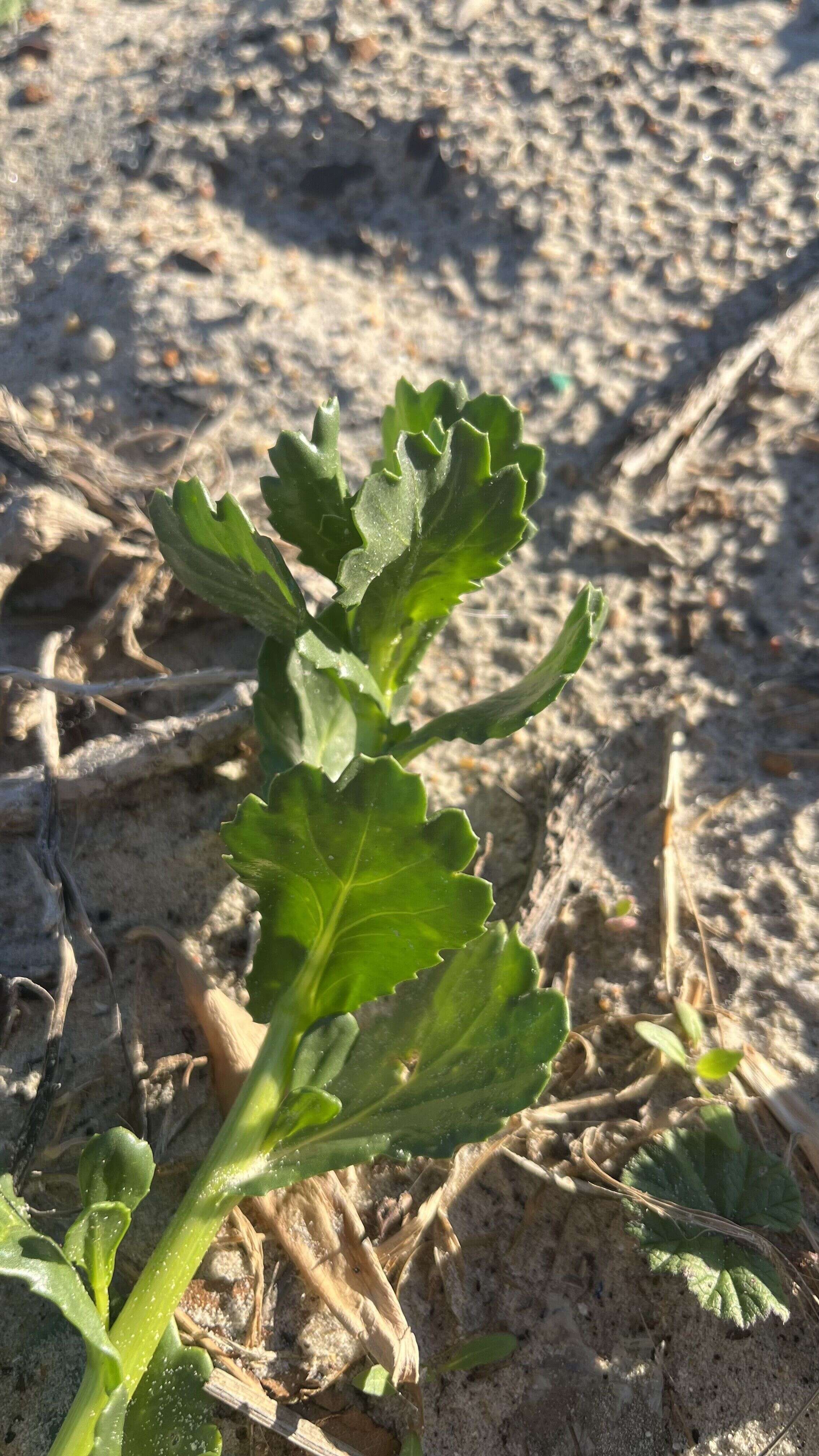
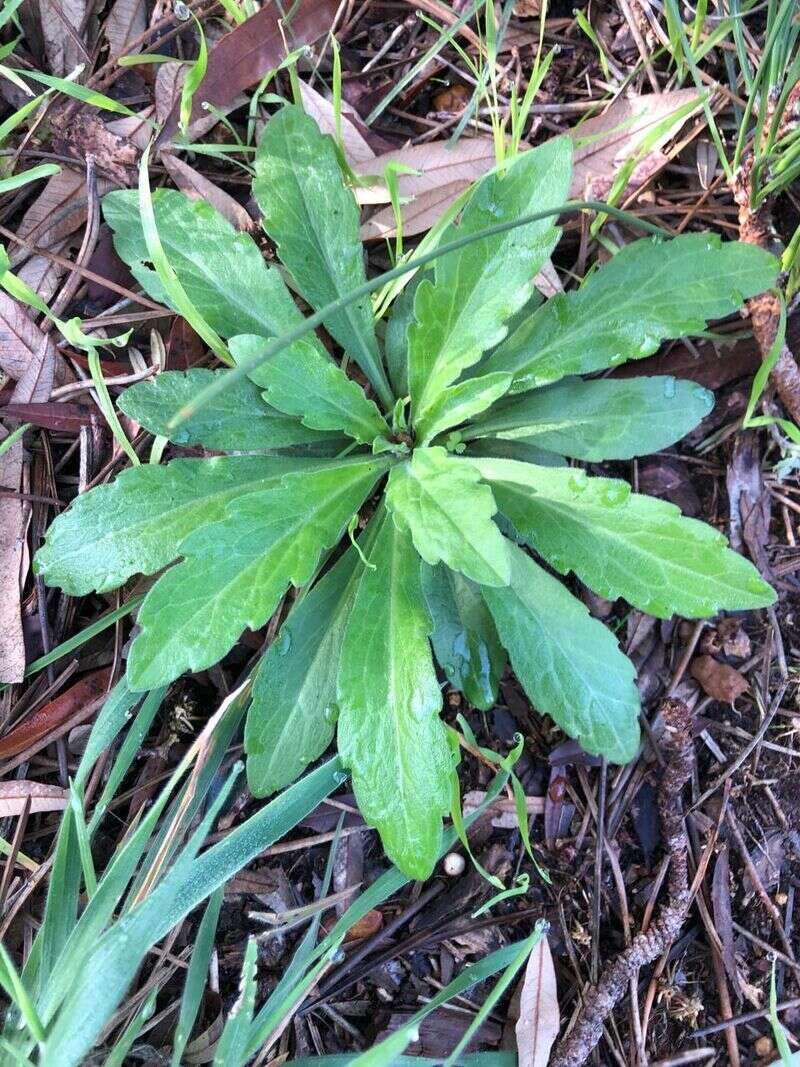
About: Scurvy Weed is a native groundcover plant from Australia that has naturalised in some parts of South Africa. It earned its name because early European settlers used its vitamin C-rich leaves to treat scurvy, a disease caused by vitamin C deficiency. Although it's considered useful in some landscaping contexts for erosion control, in some areas it spreads vigorously and is seen as a minor weed.
Identification: Scurvy Weed is a low-growing, sprawling herb with fleshy, green leaves and striking bright blue flowers that appear mostly in warmer months. The flowers have three petals, with two larger and more visible than the third. The stems are often soft, succulent, and root at the nodes when in contact with soil. The plant spreads easily along the ground and can form dense mats.
Habitat: It grows in moist, shady areas like forest edges, along streams, and under trees. It prefers loamy or sandy soils, and while it enjoys dappled light, it can survive in full sun if moisture is available. In gardens and urban areas, it can spread into lawns, flower beds, and roadside verges.
Uses: Traditionally, the young leaves were used as a source of vitamin C to treat or prevent scurvy. They can be eaten raw or lightly cooked, though they are slightly mucilaginous (slimy). In some regions, the plant is still eaten as a wild green. Its trailing habit and fast growth also make it useful for groundcover in erosion-prone zones.
Harvesting Tips: Harvest the young, tender leaves and shoots in early morning while the plant is hydrated. Pick from clean areas that haven't been sprayed or trampled. It's best to eat small amounts at first, as some people may be sensitive to mucilage in the leaves. Use within a day or two, as the leaves wilt quickly after picking.
Fun Fact: Despite being called a "weed," Scurvy Weed is a native species in Australia and plays an ecological role by covering soil, preventing erosion, and offering shelter for small insects and amphibians. It's a good example of how a plant's value can vary depending on where it's growing and how it's used.