Land
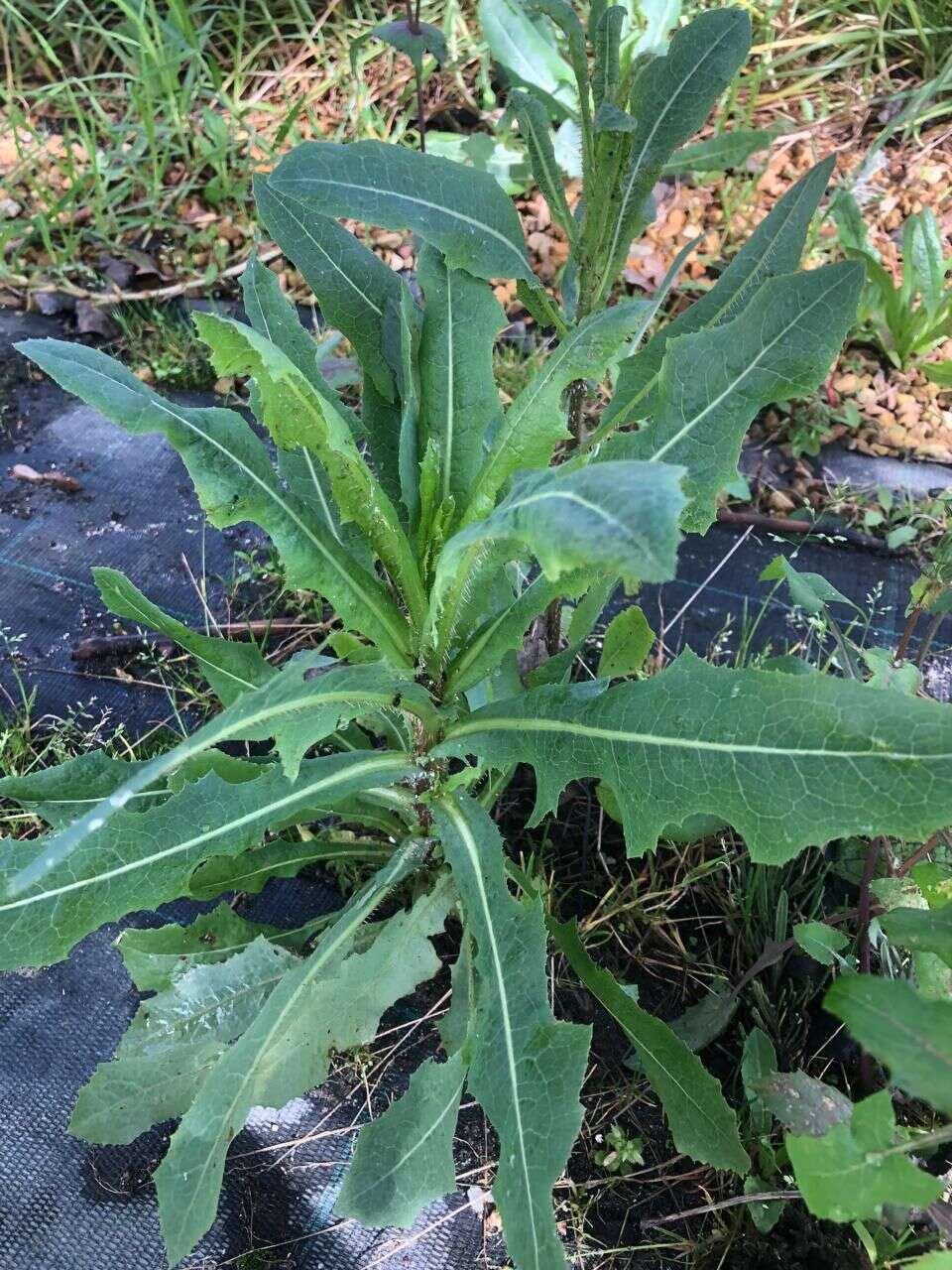
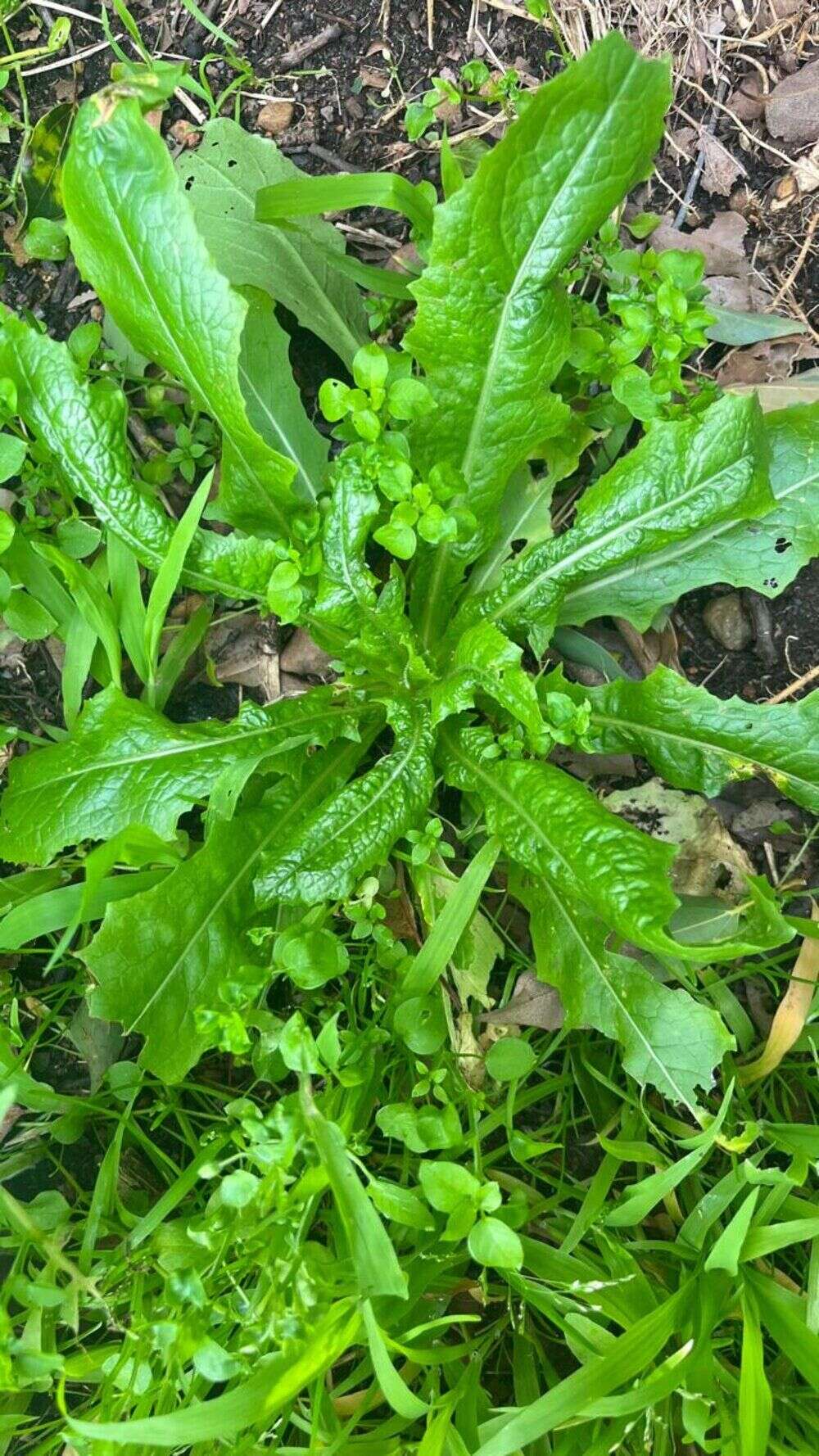
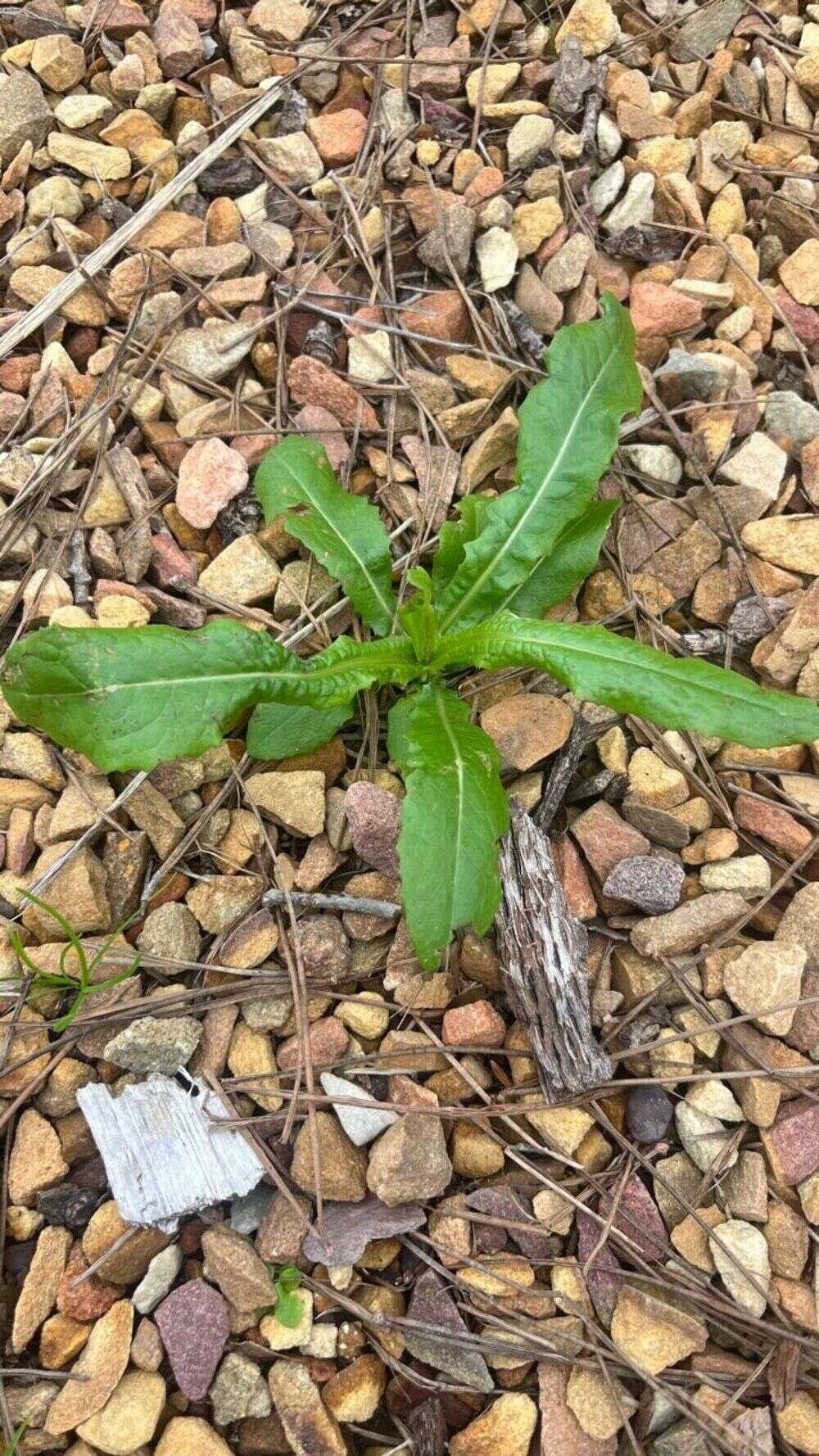
About: Wild lettuce is a wild relative of garden lettuce (Lactuca sativa) and is known for its bitter-tasting, spiky leaves and a milky white sap. Some types, especially Lactuca virosa, are also known as 'opium lettuce' due to the plant's historical use as a natural pain and sleep remedy (note: it does not contain real opium).
Though it's often seen as a weed, wild lettuce is part of the natural plant community in disturbed areas, and young leaves can be eaten like lettuce or spinach in moderation.
Identification: Wild Lettuce can grow 1 to 2 metres tall, with an upright, branching stalk that exudes a white milky sap when cut. The leaves are deeply lobed, blue-green, and have prickly hairs along the underside of the midrib. They often clasp the stem at the base and can be quite large on mature plants. The plant produces small yellow dandelion-like flowers arranged in loose clusters at the top of the stem. The seeds are attached to small tufts that help them disperse by wind.
Habitat: Wild Lettuce grows in disturbed soils, field margins, road verges, garden edges, and vacant lots. It prefers full sun and well-drained soil, and is commonly found in the Western Cape, Free State, Gauteng, and KwaZulu-Natal regions of South Africa. It typically appears in late spring through summer and is most noticeable when it sends up its tall flowering stalk.
Uses: Although not commonly eaten as food due to its bitterness, Wild Lettuce has been widely used in folk and herbal medicine. The white latex (lactucarium) was traditionally used as a mild painkiller, sedative, and remedy for coughs, restlessness, and insomnia. It was sometimes called "opium lettuce" due to its relaxing effects, though it does not contain opiates and is not narcotic.
Preparations are usually made from the dried latex or the whole dried plant, used in teas, tinctures, or extracts. Caution is advised, as consuming large amounts can cause nausea or drowsiness. While some modern herbalists still use Wild Lettuce, it should be used carefully and with proper identification.
Harvesting Tips: Harvest young leaves in spring if using for food, although they are bitter and not commonly consumed. For medicinal use, the plant is typically harvested when in full bloom and producing a strong milky sap—usually in midsummer. The latex can be collected by scoring the stems and allowing the sap to dry before scraping it off. Alternatively, the whole plant can be dried and later steeped as tea.
Only harvest from clean, unsprayed areas, and positively identify the plant before use, as it can be confused with other similar species.
Fun Fact: The name "Wilde Slaai" in Afrikaans translates directly to "wild lettuce," a name that points to its resemblance to garden lettuce. In the 19th century, Wild Lettuce was sold in European pharmacies as a legal alternative to opium, especially for calming coughs and mild pain. Some studies suggest it has mild antispasmodic and sedative effects, though much of the evidence is historical and anecdotal.