Land
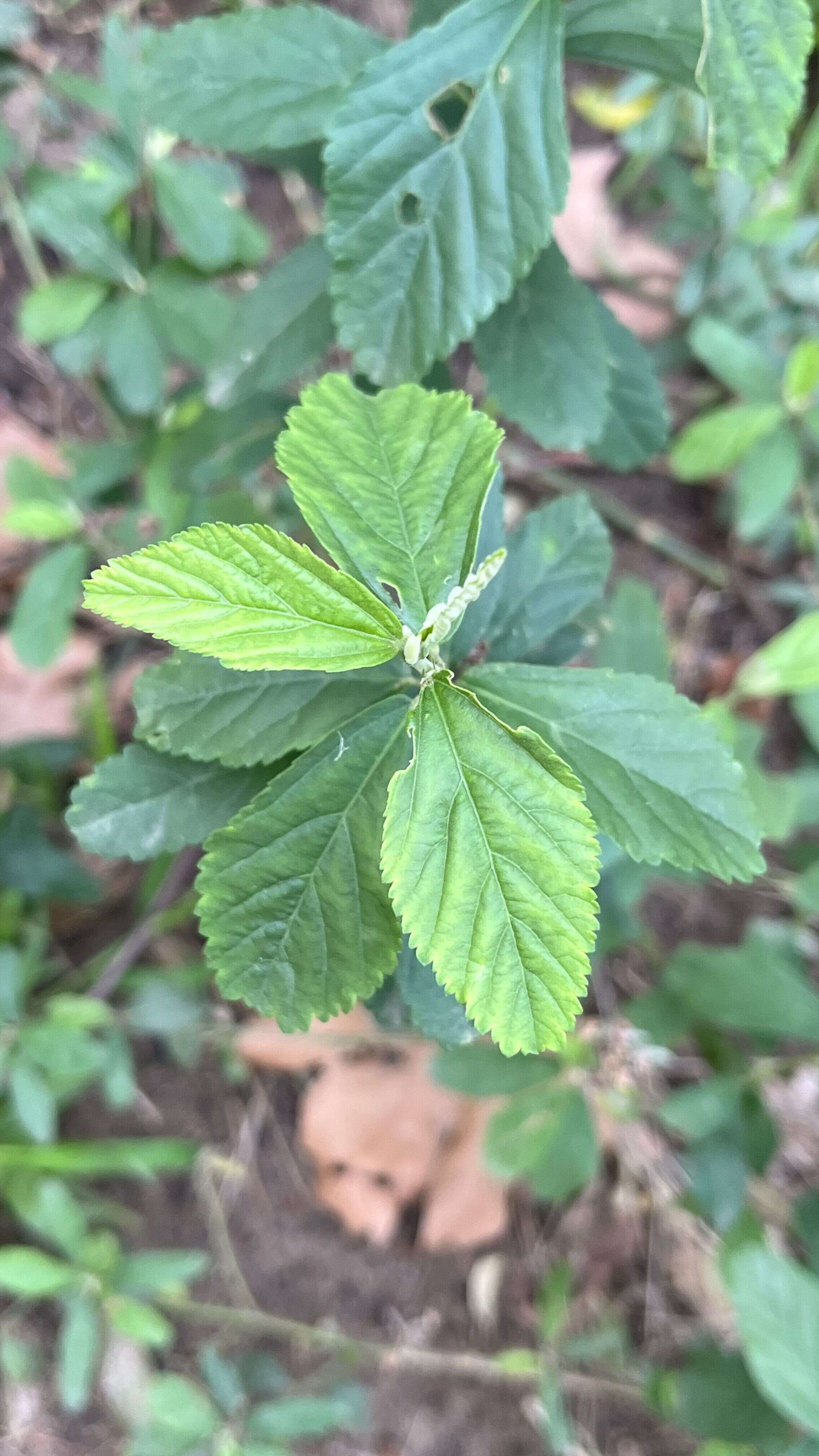

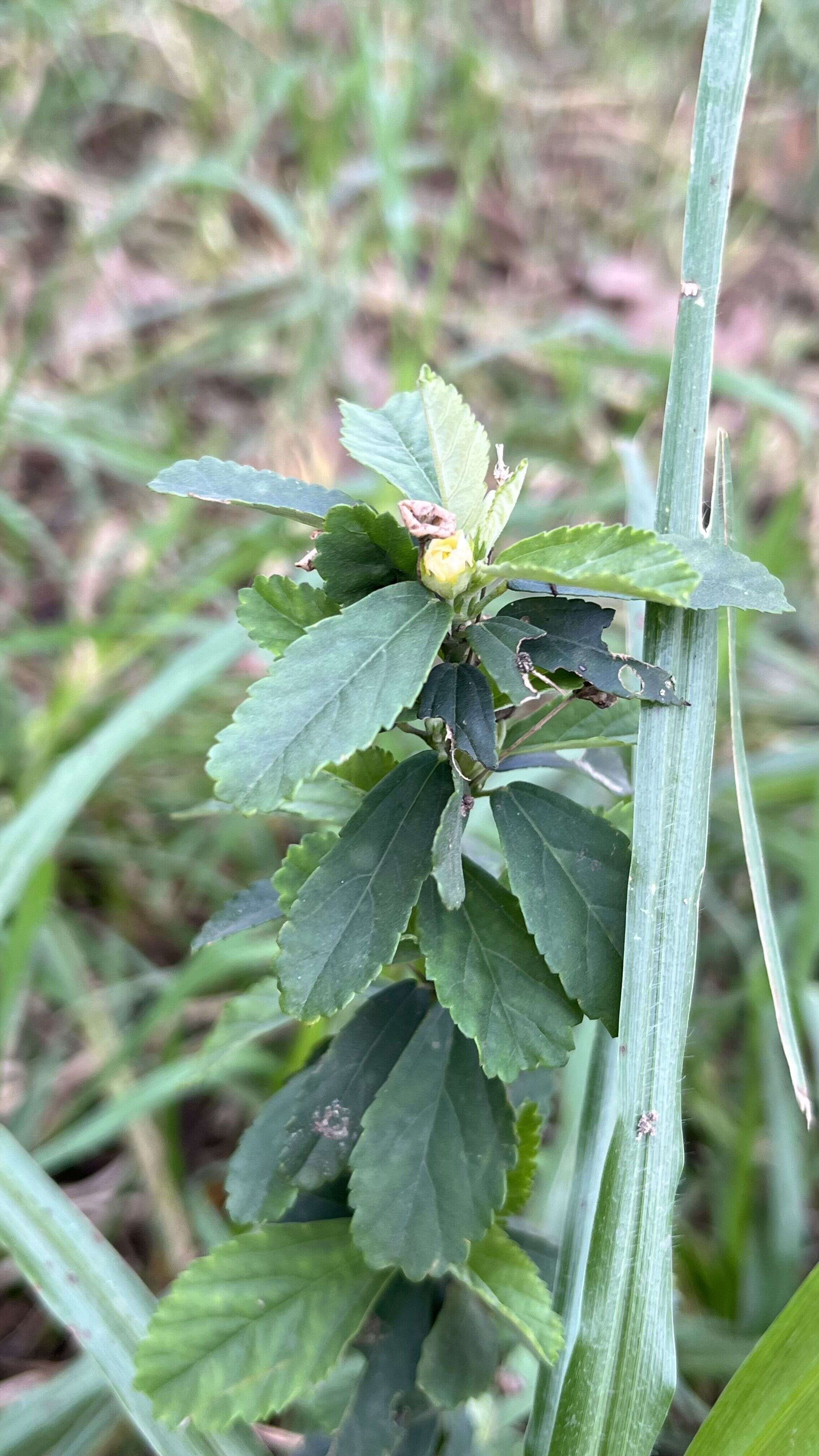
About: Sida rhombifolia, commonly known as Arrowleaf Sida, is a fast-growing herbaceous plant or small shrub that occurs widely in warm climates around the world. It is a resilient and adaptable plant, often found in disturbed or degraded areas. Though often regarded as a weed, it has a long history of medicinal and practical use in traditional cultures, especially for its fibrous stems and healing properties.
Identification: Arrowleaf Sida is a slender, erect plant growing up to 1–2 metres tall. The stems are woody at the base and covered in fine hairs. Its leaves are alternate, rhombus- to lance-shaped (hence the name rhombifolia), with serrated edges and a rough texture. Small yellow flowers, about 1 cm across, bloom singly or in small clusters in the leaf axils. The seed capsules are small, hard, and spiny, which can cling to animals or clothing.
Habitat: This species thrives in disturbed areas such as roadsides, old fields, gardens, pastures, and the edges of agricultural land. It prefers warm to tropical climates and grows well in sandy or loamy soils. In South Africa, it is widespread, especially in KwaZulu-Natal, Mpumalanga, Limpopo, the Eastern Cape, and parts of Gauteng.
Uses: Medicinal: In traditional medicine, Sida rhombifolia has been used to treat a wide range of conditions, including fevers, wounds, respiratory infections, and digestive issues. Decoctions made from the leaves or roots are sometimes used as anti-inflammatories or general tonics.
Practical: The stems are strong and fibrous, making them suitable for weaving or rope-making in some cultures.
Caution: Some Sida species may contain ephedrine-like compounds, so internal use should be approached with caution, especially in people with heart conditions.
Harvesting Tips: Young leaves and stems can be collected for traditional uses when the plant is actively growing. Roots can also be harvested, but sustainably—never take the whole plant unless it is abundant. Use a clean knife or shears, and only harvest from clean, chemical-free areas. Dry plant material in the shade and store in a cool, dry place.
Fun Fact: In parts of Africa, Sida rhombifolia is sometimes called "poor man's jute" because the fibrous stems can be used similarly to jute to make ropes, mats, and baskets—even though it's considered a weed by many farmers.