Land
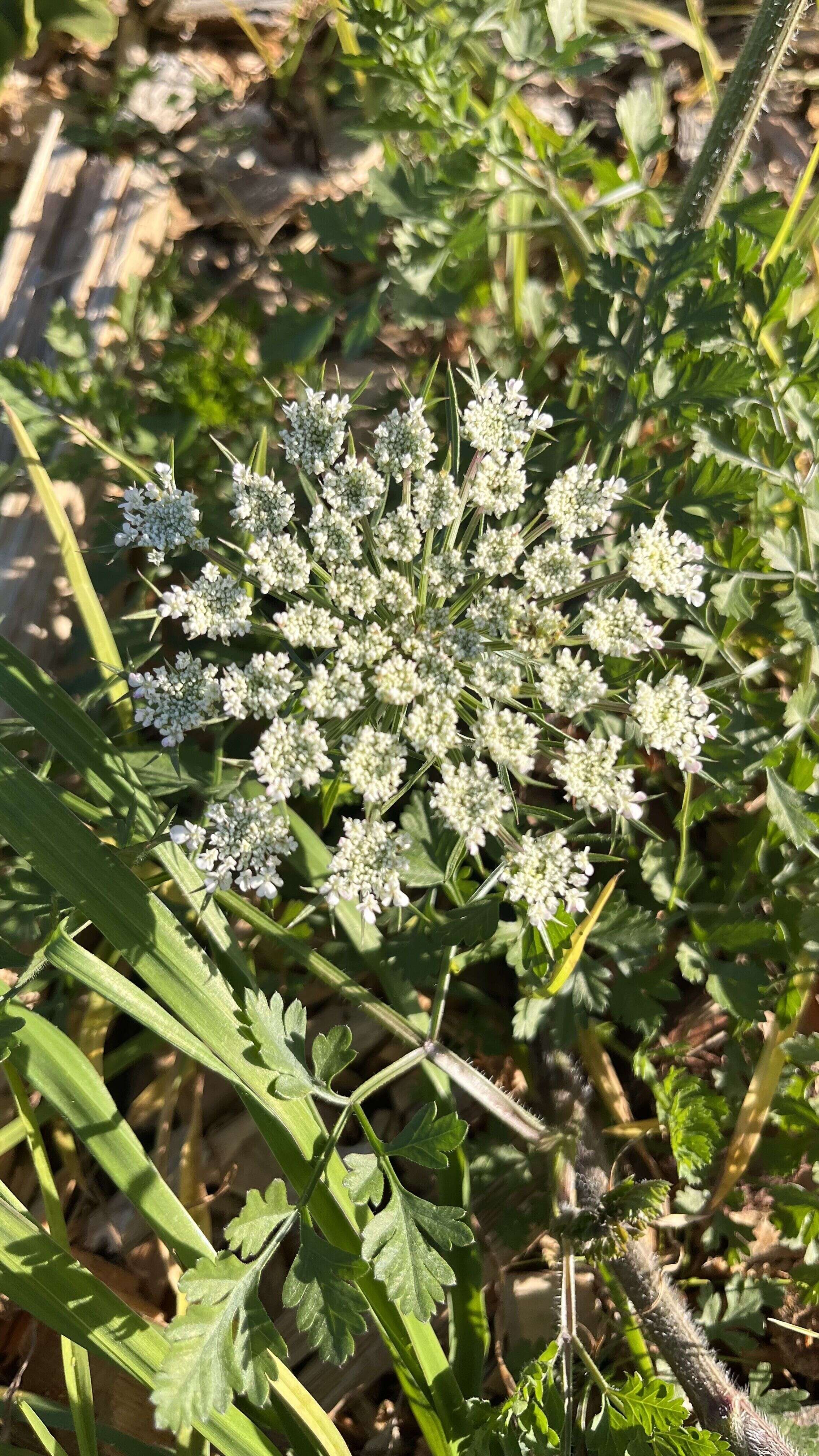
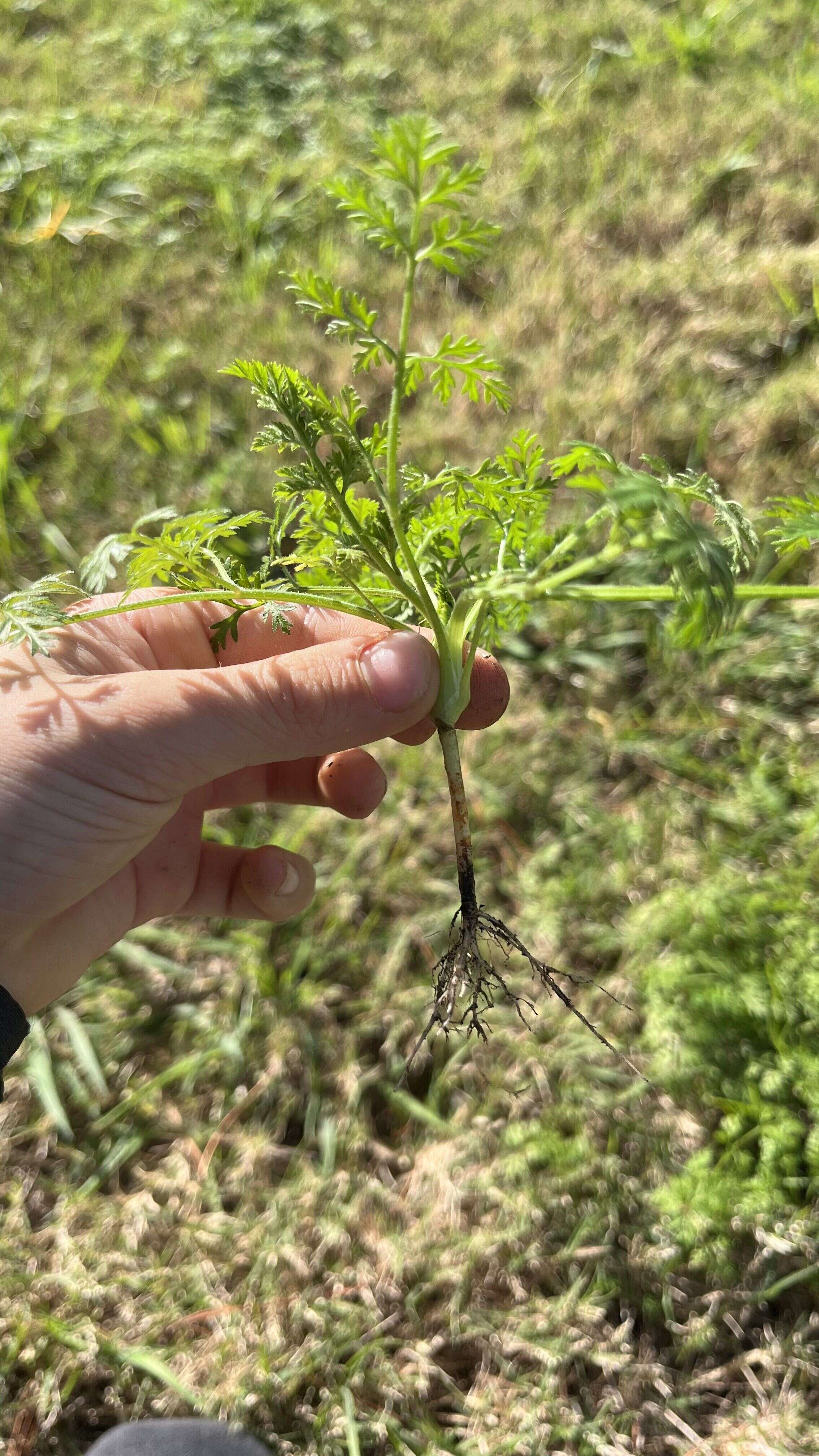

About: Wild Carrot is the wild ancestor of the cultivated carrot. It is a biennial plant, meaning it completes its life cycle over two years. The plant is commonly found growing in the wild across temperate regions worldwide, including South Africa. It is considered a weed in many places but has value as a wild edible and for its traditional medicinal uses. The root is white and woody compared to the cultivated orange carrot.
Identification: Wild Carrot has a tall, slender stem that can grow up to 1 meter high. The leaves are finely divided and fern-like, similar to cultivated carrot foliage but often more delicate. It produces flat-topped clusters (umbels) of tiny white flowers that form a lacy, umbrella-like shape, commonly called Queen Anne's Lace. The root is thin, white, and carrot-shaped but tougher than garden carrots.
Habitat: This plant thrives in open, sunny locations such as roadsides, fields, disturbed soils, and grasslands. It prefers well-drained soils and is often found in areas with dry to moderate moisture. Wild Carrot is widespread and adaptable, growing in temperate and Mediterranean climates, including parts of South Africa.
Uses: The young leaves can be used sparingly in salads or cooked as a green vegetable, though they are somewhat bitter. The root was historically eaten as a food source but is woody and tough when mature. Medicinally, parts of the plant have been used as a diuretic and to aid digestion. The seeds have been traditionally used as a natural contraceptive, though this use requires caution and professional guidance. The plant also attracts beneficial insects like pollinators.
Harvesting Tips: Harvest young leaves early in the growing season before the plant flowers for best flavor and tenderness. If harvesting roots, do so in the first year while they are still young and tender; older roots become fibrous and bitter. Always positively identify wild carrot as it resembles some toxic plants such as poison hemlock. Avoid harvesting near roadsides or polluted areas to reduce contamination risk.
Fun Fact: Wild carrot is also known as Queen Anne's Lace primarily due to the lacy appearance of its flower clusters, which resemble the delicate lace work popular during the time of Queen Anne of Great Britain.