Land


About: Cat's ear is a perennial herb native to Europe but now widespread globally, including in South Africa. It gets its name from the soft, hairy leaves that resemble the texture of a cat's ear. It's often confused with dandelion due to its yellow flower heads and rosette growth, but it has branched stems and hairy leaves, which help tell them apart. Though often considered a weed, it is edible, nutritious, and has been used in folk medicine and cooking — especially the young leaves and roots.
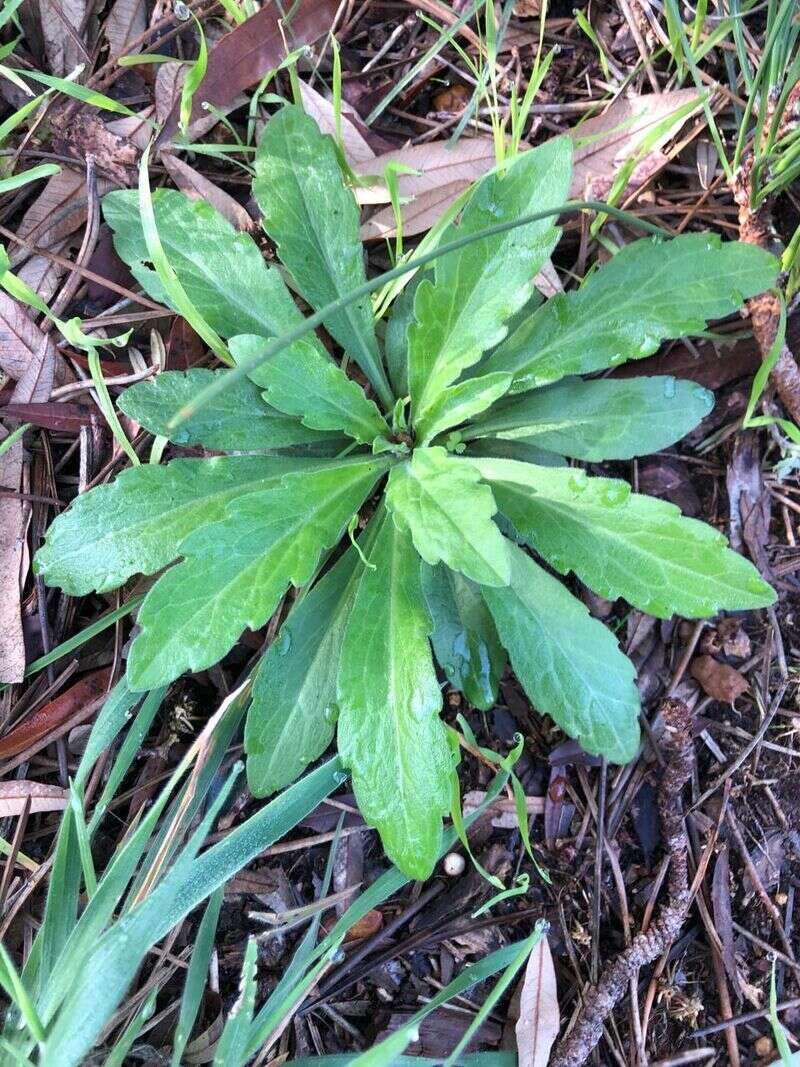
Identification: Cat's Ear grows low to the ground with a rosette of deeply lobed, hairy leaves that are soft to the touch, resembling the shape and texture of a cat's ear. The plant produces yellow, dandelion-like flowers on hollow, leafless stems. The flower heads open in the morning and close by afternoon. The seed heads look like small white puffballs that disperse seeds by wind.
Habitat: Cat's Ear prefers grasslands, lawns, roadsides, and disturbed soils. It thrives in full sun to partial shade and tolerates a wide range of soil types, especially well-drained, sandy or loamy soils. It is common in temperate regions of South Africa, particularly in areas with Mediterranean climate such as the Western Cape.
Uses: The young leaves of Cat's Ear are edible and can be eaten raw in salads or cooked like spinach. They have a mildly bitter taste that softens with cooking. The roots are sometimes used as a coffee substitute when roasted. Medicinally, the plant has been used traditionally to support digestion and reduce inflammation. It is rich in vitamins and minerals, making it a nutritious wild green.
Harvesting Tips: Harvest the young, tender leaves in spring and early summer for the best flavor and texture. Avoid older leaves as they tend to become tough and bitter. Use scissors or pinch off leaves carefully to encourage regrowth. Roots can be harvested in autumn but require cleaning and roasting before use.
Fun Fact: The Afrikaans name "Katoor" translates to "cat's ear," inspired by the soft, fuzzy texture of the leaves that resemble a cat's ear. Despite its common name and resemblance to dandelions, Cat's Ear has a different flowering cycle and leaf shape, helping foragers distinguish between the two.