Land


About: Spiny Sowthistle is a fast-growing, annual or biennial herb that is often mistaken for a thistle because of its sharp, spiny leaf edges. Native to Europe and North Africa, it has spread to many parts of the world, including South Africa, where it is a common weed in disturbed areas. Despite its prickly look, it is edible and has been used in traditional medicine and as a leafy vegetable in various cultures.
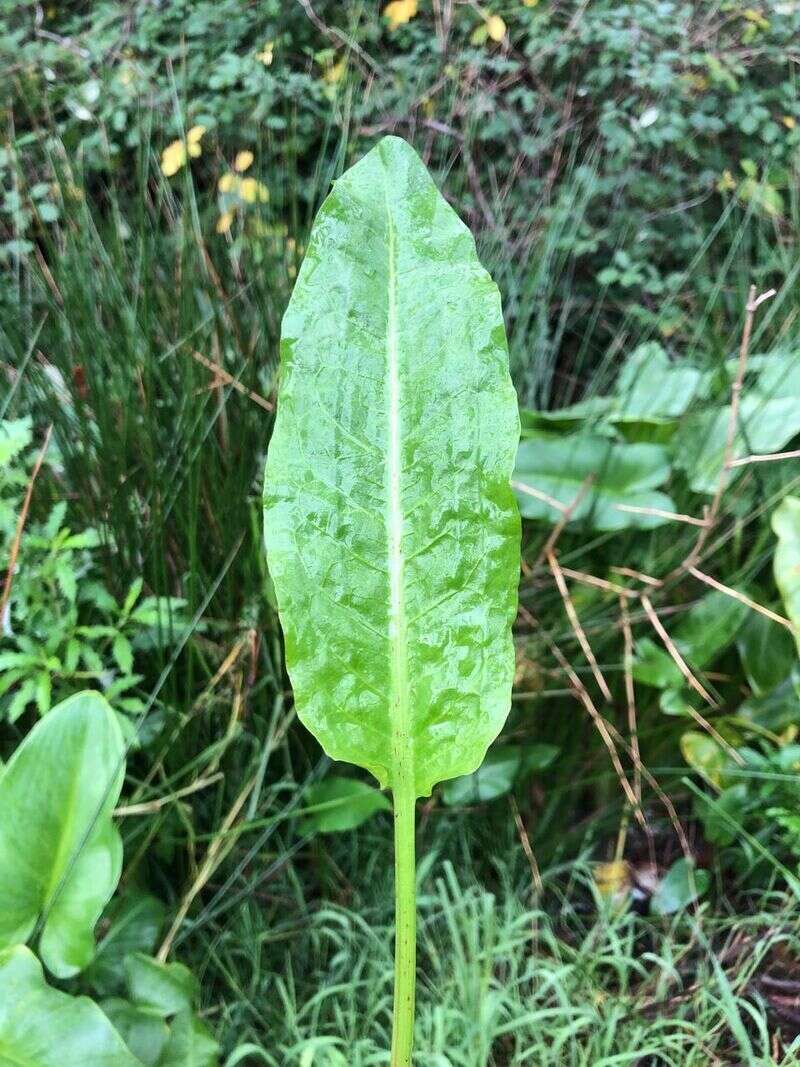
Identification: The plant can grow up to 1.5 metres tall. It has thick, hollow stems that exude a milky sap when broken. The leaves are shiny, dark green, and sharply spined along the margins, clasping the stem at the base. The flower heads are yellow, dandelion-like, and appear in clusters at the top of the plant. After flowering, it produces fluffy white seed heads that disperse with the wind.
Habitat: Spiny Sowthistle grows in a wide range of environments but is most commonly found in disturbed soils, waste grounds, roadsides, urban edges, and abandoned fields. It prefers full sun and thrives in nutrient-rich, well-drained soils, although it can tolerate poorer conditions. In South Africa, it's common across temperate and Mediterranean climate zones.
Uses: The young leaves are edible when cooked, and are traditionally eaten in some cultures as a wild green. The flavour is slightly bitter, especially in older leaves. Medicinally, Spiny Sowthistle has been used for its diuretic, laxative, and anti-inflammatory properties. The plant's latex has also been used topically to treat warts and skin irritations in folk remedies.
Harvesting Tips: Harvest the young leaves before the plant begins flowering, as older leaves become too bitter and tough. Wear gloves if handling larger plants to avoid the sharp spines. Always forage from clean areas, avoiding sites near roads, chemical runoff, or sprayed fields. The leaves can be steamed, boiled, or sautéed, and are often used mixed with other greens to balance the bitterness.
Fun Fact: Despite its fierce name and spiny appearance, Spiny Sowthistle is loved by bees and butterflies and plays an important role in urban ecosystems by providing nectar for pollinators. It also helps improve soil structure in compacted areas by sending down deep taproots.