Land
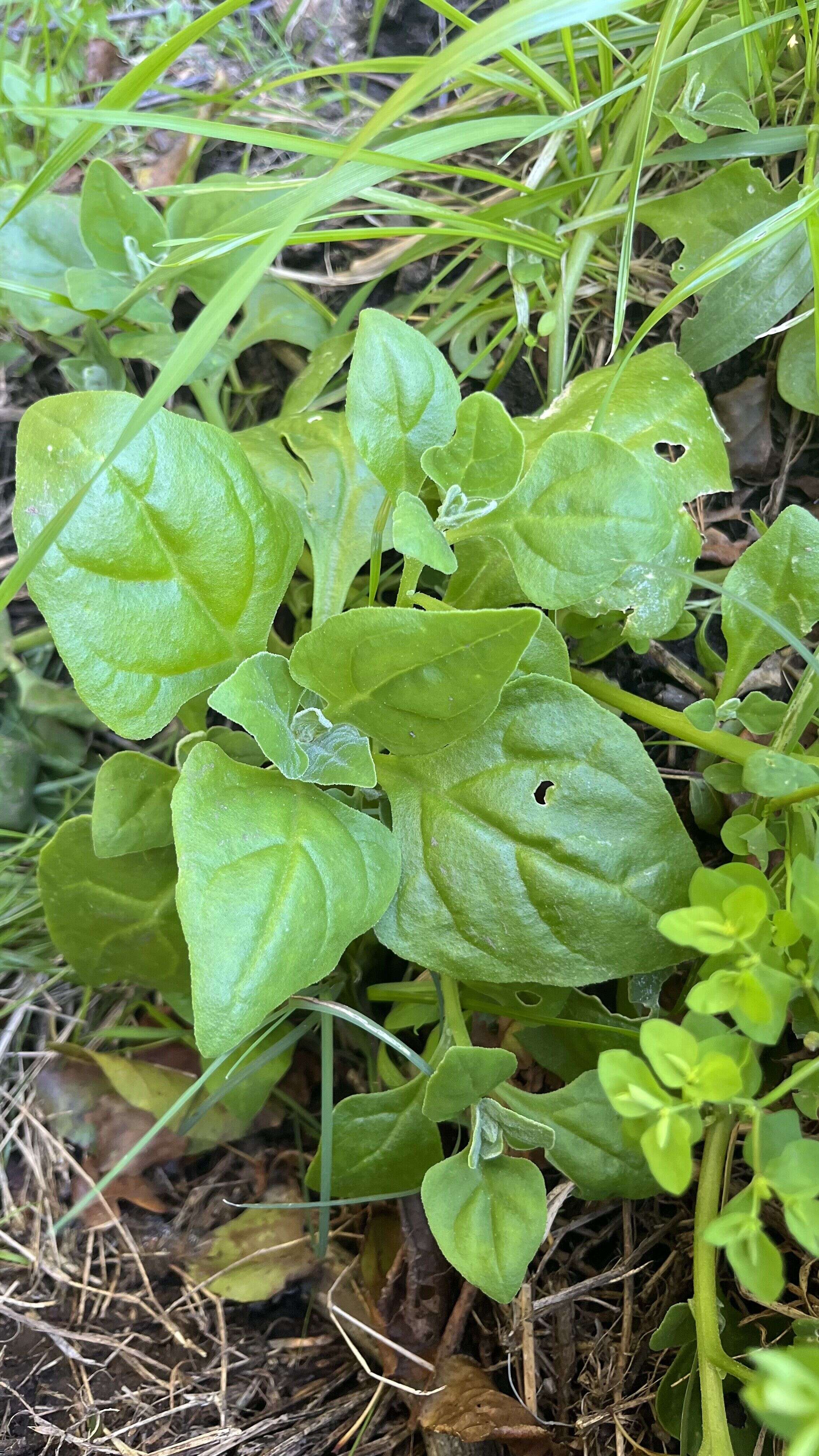
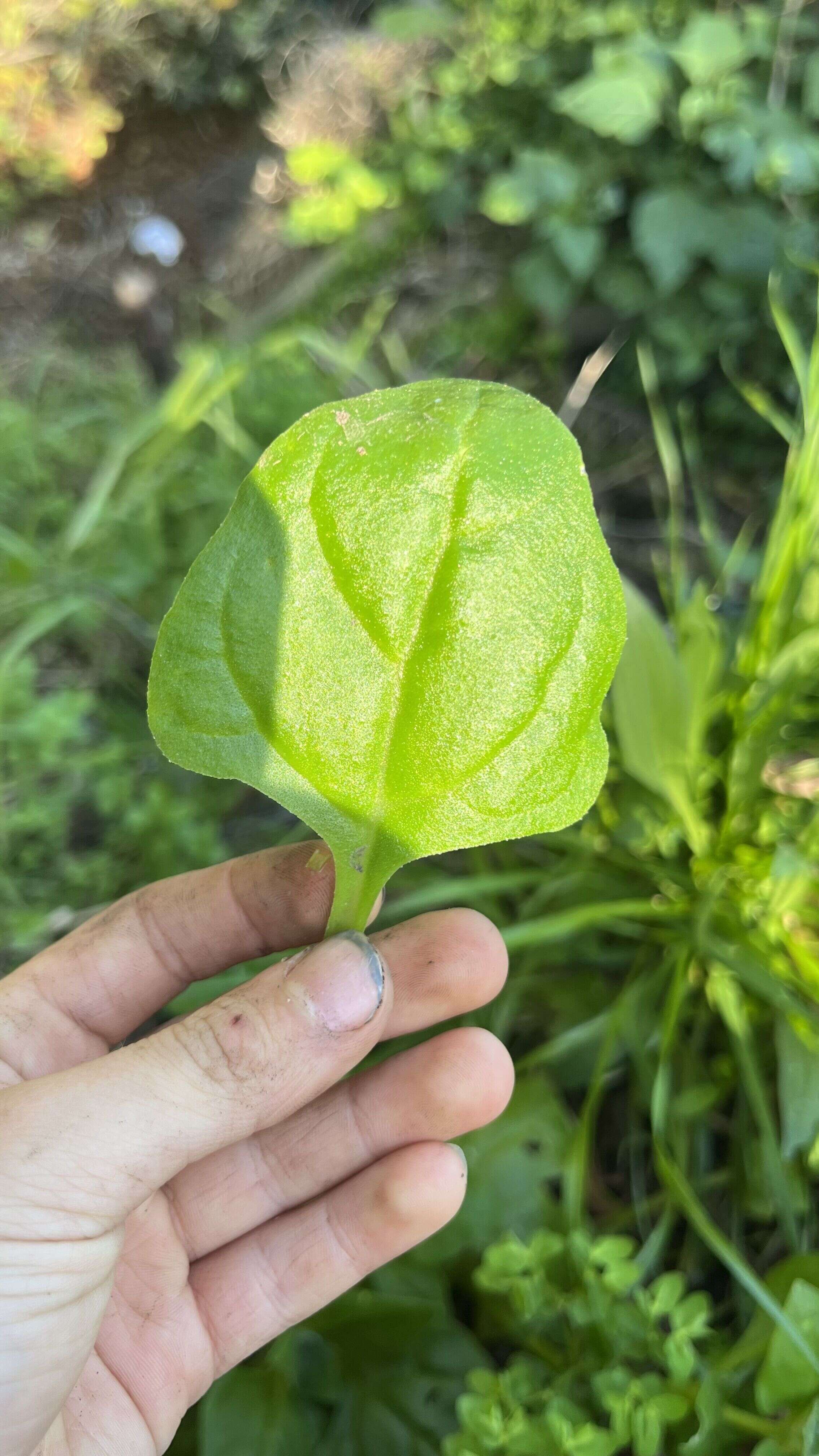
About: New Zealand Spinach is a low-growing leafy plant native to coastal regions of New Zealand, Australia, and parts of Asia. It is not a true spinach but gets its name from its use as a spinach substitute, especially in hot climates where regular spinach struggles to grow. It gained popularity after being used by Captain Cook's crew to prevent scurvy during long sea voyages.
Identification: This plant has thick, fleshy, triangular leaves that are bright green and slightly crumpled. The stems are often reddish and sprawling, forming a mat across the ground. The leaves have a slightly salty, mild taste and are covered in tiny papillae (small hairs or water-storing cells), giving them a slightly rough or sparkly texture when dry.
Habitat: New Zealand Spinach grows well in coastal and sandy soils, disturbed areas, and home gardens. It thrives in hot, dry conditions and tolerates drought better than most leafy greens. In South Africa, it is often found growing wild near the coast or cultivated in sunny gardens.
Uses: The leaves are edible and used much like spinach. They are best cooked—steaming, boiling, or sautéing removes the oxalates that can irritate when eaten raw in large quantities. New Zealand Spinach works well in stir-fries, soups, stews, and as a cooked green in any dish that calls for spinach. Nutritionally, it provides vitamins A and C, as well as minerals like calcium and magnesium.
Harvesting Tips: Harvest young leaves and tips regularly to encourage bushier growth. Cut with scissors or pinch off the growing tips. The plant is fast-growing and can be harvested repeatedly throughout the warm months. Rinse leaves well before cooking, and blanch briefly before adding to recipes.
Fun Fact: Although native to the Southern Hemisphere, New Zealand Spinach became famous in Europe in the 18th century thanks to Captain Cook, who used it to feed his crew and prevent scurvy. It was even grown in royal gardens for a time as a hardy spinach alternative.