About: Helichrysum refers to a large genus of over 600 flowering plants in the daisy family, with approximately 240 species indigenous to South Africa. Many have papery, colorful bracts that retain their shape and color when dried—hence names like strawflower or everlasting. Several species are renowned in traditional medicine across southern Africa for their aromatic leaves and flowers and long-standing folkloric use.
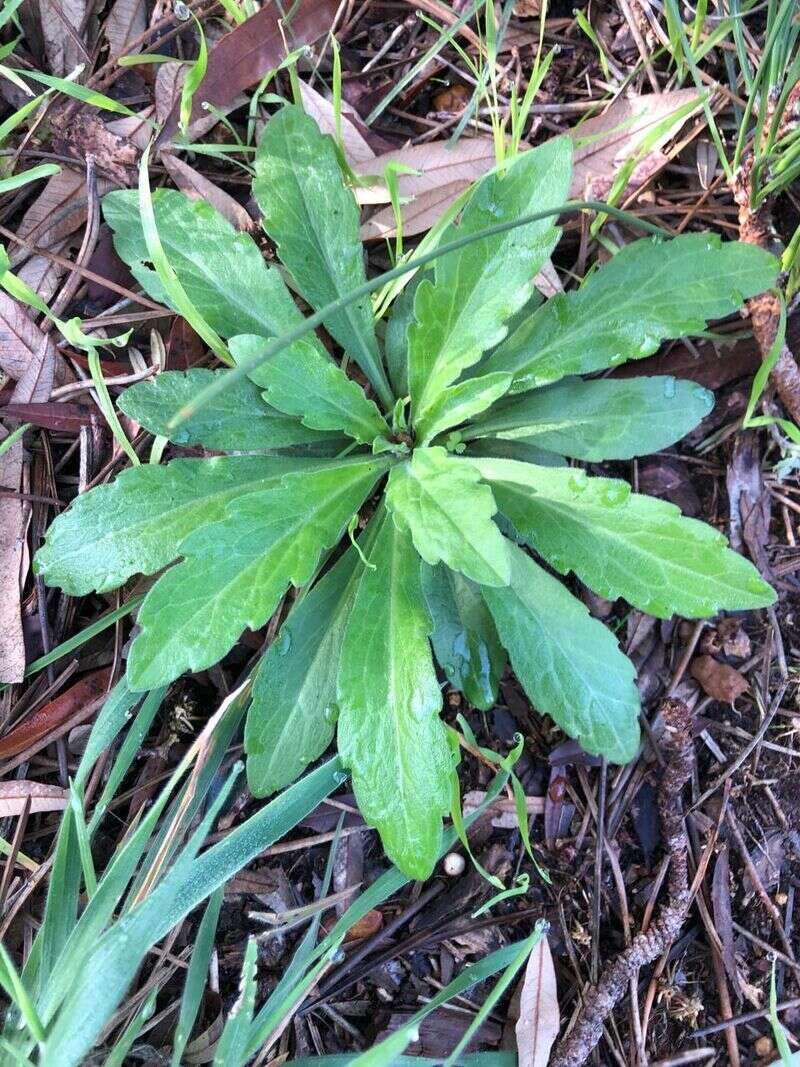
Identification: Helichrysum species vary in form—they may be herbaceous perennials or small shrubs. Leaves are usually lance-shaped, often woolly or silvery, with surfaces that minimize water loss—a common adaptation in their native habitats. Flower heads are composed of papery bracts, often yellow, white, or pink, clustered into corymbs or panicles. Distinctive species like H. splendidum have compact, yellow, everlasting flowers with grey-green foliage, while H. petiolare features silvery leaves and dense velvety stems.
Habitat: These plants are widespread across diverse South African biomes, including grasslands, fynbos, mountain slopes, and coastal areas. For example, H. aureonitens thrives in grasslands across the eastern seaboard, and H. splendidum grows on rocky slopes, stream margins, and mountain summits. Most species prefer full sun, well-drained soils, and often appear after fires or in open disturbed areas.
Medicinal Uses: Helichrysum species are among South Africa's most important traditional medicinal plants. They are valued for:
Respiratory and ritual uses: Smoke from leaves (e.g., H. cymosum, H. odoratissimum, H. petiolare) is inhaled to invoke ancestors' goodwill and is used for colds, coughs, and chest infections.
Wound healing and topical applications: Leaves, flowers, or ash are applied as poultices or washes for wounds, rashes, burns, and skin infections due to antibacterial and anti-inflammatory effects.
Digestive and pain relief: Preparations serve for stomach issues, menstrual pain, headaches, rheumatism, and fever.
These therapeutic properties are attributed to essential oils and phytochemicals—such as flavonoids, terpenoids, phenolic acids, and phloroglucinols—with confirmed antimicrobial, antioxidant, anti-inflammatory, and possibly antidiabetic effects.
History: Helichrysum has been used in African traditional medicine for centuries. The common name "sewejaartjie" (seven-year-flower) reflects its long-lasting nature in dried arrangements. Ritual use as incense, respiratory remedies, and wound care is deeply embedded in indigenous cultures. European settlers also adopted some species medicinally, and modern pharmacological studies now support traditional uses, highlighting Helichrysum's rich medicinal legacy.