Land
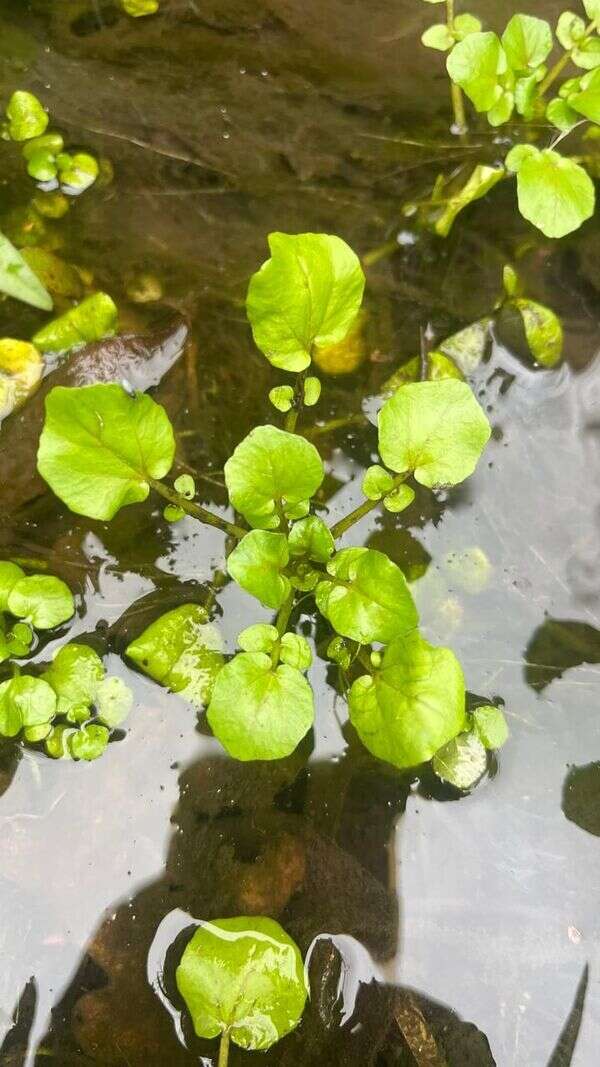
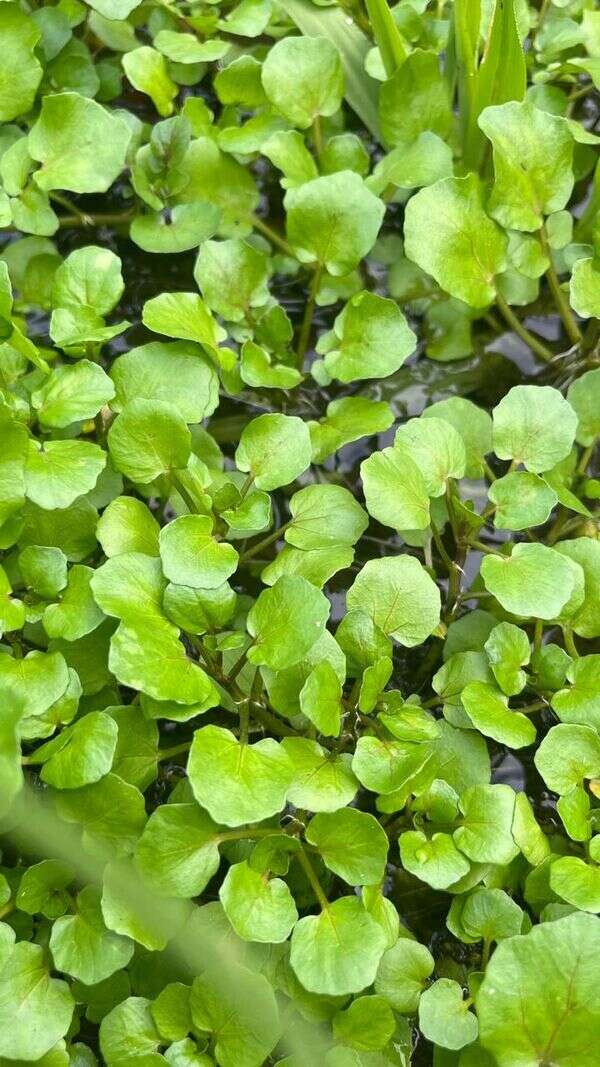
About: Watercress (Nasturtium officinale) is a semi-aquatic, perennial plant with a sharp, peppery flavor. It has been used as a leafy vegetable and medicinal herb for thousands of years. Native to Europe and Asia, it now grows worldwide in cool, clean water sources. It's considered one of the most nutrient-dense leafy greens, once famously eaten by Roman soldiers and Victorian laborers alike.
Identification: Watercress has small, round to oval green leaves that grow along a hollow, creeping stem. The stems are buoyant and often float on water or sprawl over wet soil. The plant produces clusters of small white, four-petaled flowers. Its taste is sharp and peppery, somewhat similar to rocket (arugula) or mustard greens.
Habitat: Watercress naturally grows in clean, slow-flowing freshwater—including streams, springs, ditches, and river edges. It prefers cool, clear, nutrient-rich water and partial sunlight. In South Africa, it is found in highland and temperate regions where natural water sources remain unpolluted.
Uses: Watercress is primarily eaten fresh in salads, sandwiches, soups, or pestos. It is also lightly steamed or stir-fried. Medicinally, it has been used traditionally as a tonic for the blood, to support digestion, and to boost the immune system. It was once used to treat scurvy due to its high vitamin C content.
Harvesting Tips: Harvest watercress by snipping the top 10–15 cm of the plant, ideally before flowering, when the leaves are most tender and flavorful. Always collect from clean, running water sources, as the plant can absorb harmful bacteria or pollutants. Rinse thoroughly in clean water before use.
Fun Fact: Watercress was once a staple food for navvies (manual laborers) in Victorian England and was nicknamed the "poor man's bread" because people often ate bunches of it on its own, like a sandwich, thanks to its strong flavour and high nutritional value. It was commonly sold in street markets tied in bundles, just like herbs.