Land

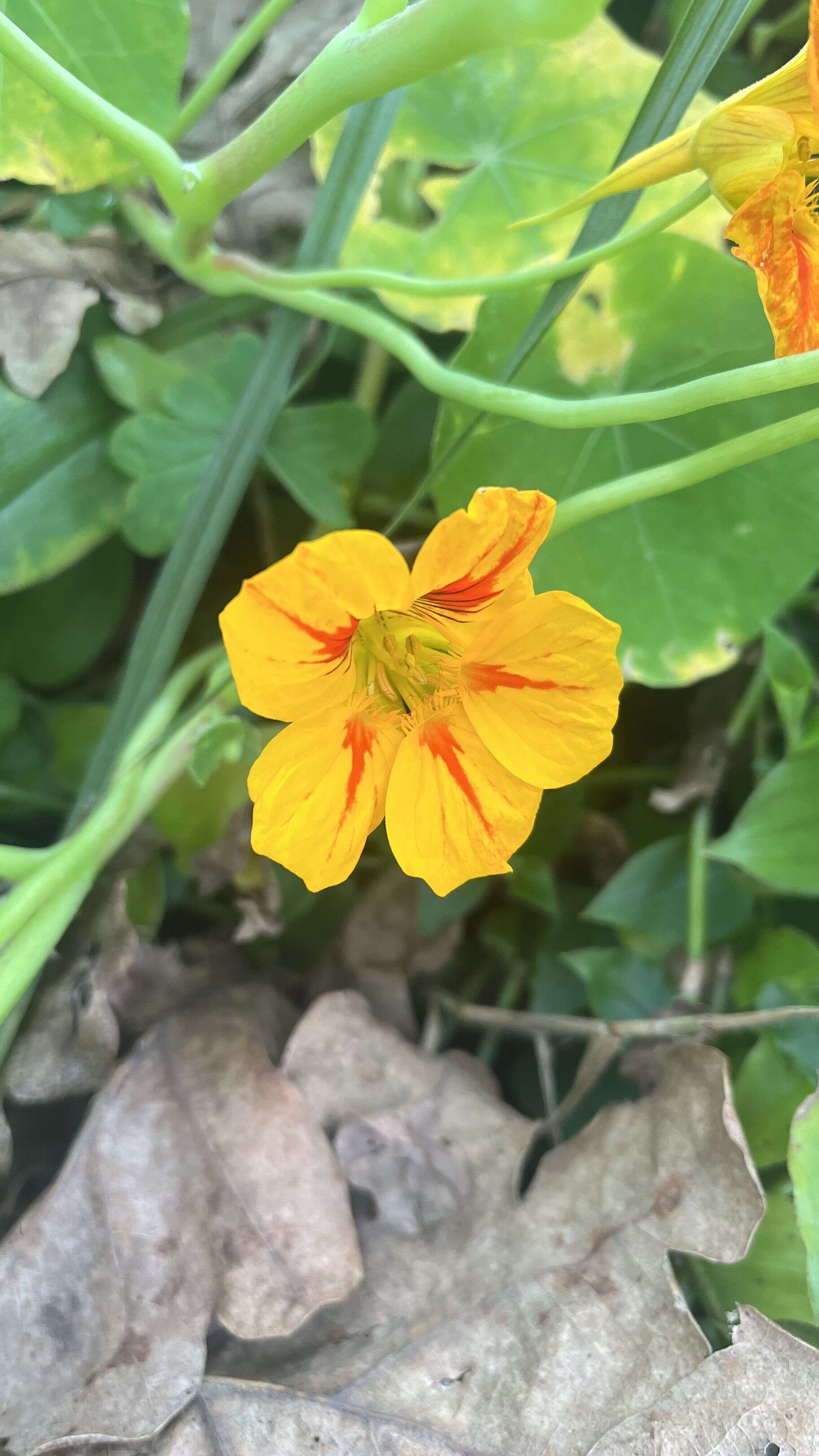
About: Nasturtium is a popular garden plant known for its vibrant flowers, rounded leaves, and edible parts. Originally native to South America, it has naturalised in many parts of the world, including South Africa. Although widely cultivated, it can spread into wild and semi-wild areas, where it is sometimes considered a weed. It is highly valued for its ornamental beauty, culinary uses, and medicinal properties.
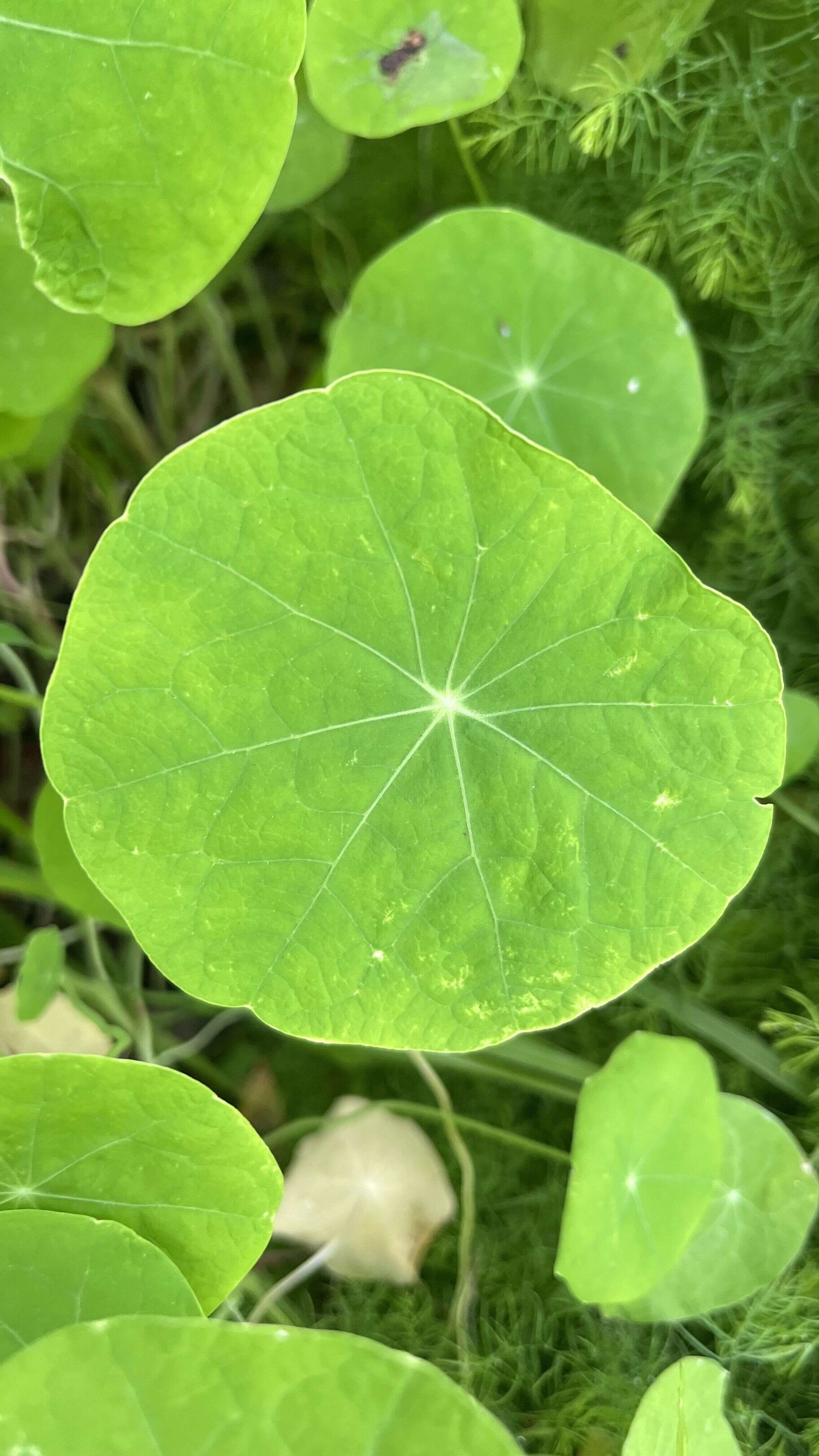
Identification: Nasturtium is a fast-growing trailing or climbing plant with large, round leaves that resemble lily pads. The flowers are bright orange, red, or yellow, with five petals and a distinctive spur at the back. The leaves grow alternately and have a shield-like shape with the stem connecting near the center of the leaf. The plant produces green, wrinkled seed pods after flowering, which are also edible.
Habitat: Nasturtium grows best in sunny, open areas and prefers well-drained soils. It is commonly found in gardens, disturbed areas, along fences, and near watercourses. In South Africa, it grows readily in both urban and rural environments, especially in winter rainfall regions like the Western Cape. It tolerates poor soils but does not survive heavy frost.
Uses: All parts of the plant are edible — the leaves and flowers add a peppery flavour to salads, and the seed pods are often used as a substitute for capers. Nasturtium also has medicinal uses: it contains natural antibiotics and has been used traditionally to treat chest infections, urinary tract infections, and wound healing. It is also planted in vegetable gardens as a companion plant, attracting beneficial insects and deterring pests like aphids and whiteflies.
Harvesting Tips: Harvest young leaves and flowers in the morning when they are fresh and tender. For culinary use, avoid plants that have been sprayed or are growing near polluted areas. The unripe green seed pods can be harvested and pickled. Regular picking of leaves and flowers encourages more growth and flowering.
Fun Fact: Nasturtiums were once used by Inca warriors to treat wounds, and modern studies have shown that they have antimicrobial properties. Their name comes from the Latin nasus tortus, meaning "twisted nose," referring to the spicy scent and taste that causes a wrinkled nose when eaten.