Land


About: Cape Gooseberry is a small, yellow-orange fruit enclosed in a paper-like husk, belonging to the nightshade family. Despite its name, it is not related to true gooseberries. Native to South America, it was introduced to the Cape of Good Hope in the 1800s, which is how it got its English name. It is now widely cultivated in South Africa and globally for its sweet-tart flavour and nutritional value.
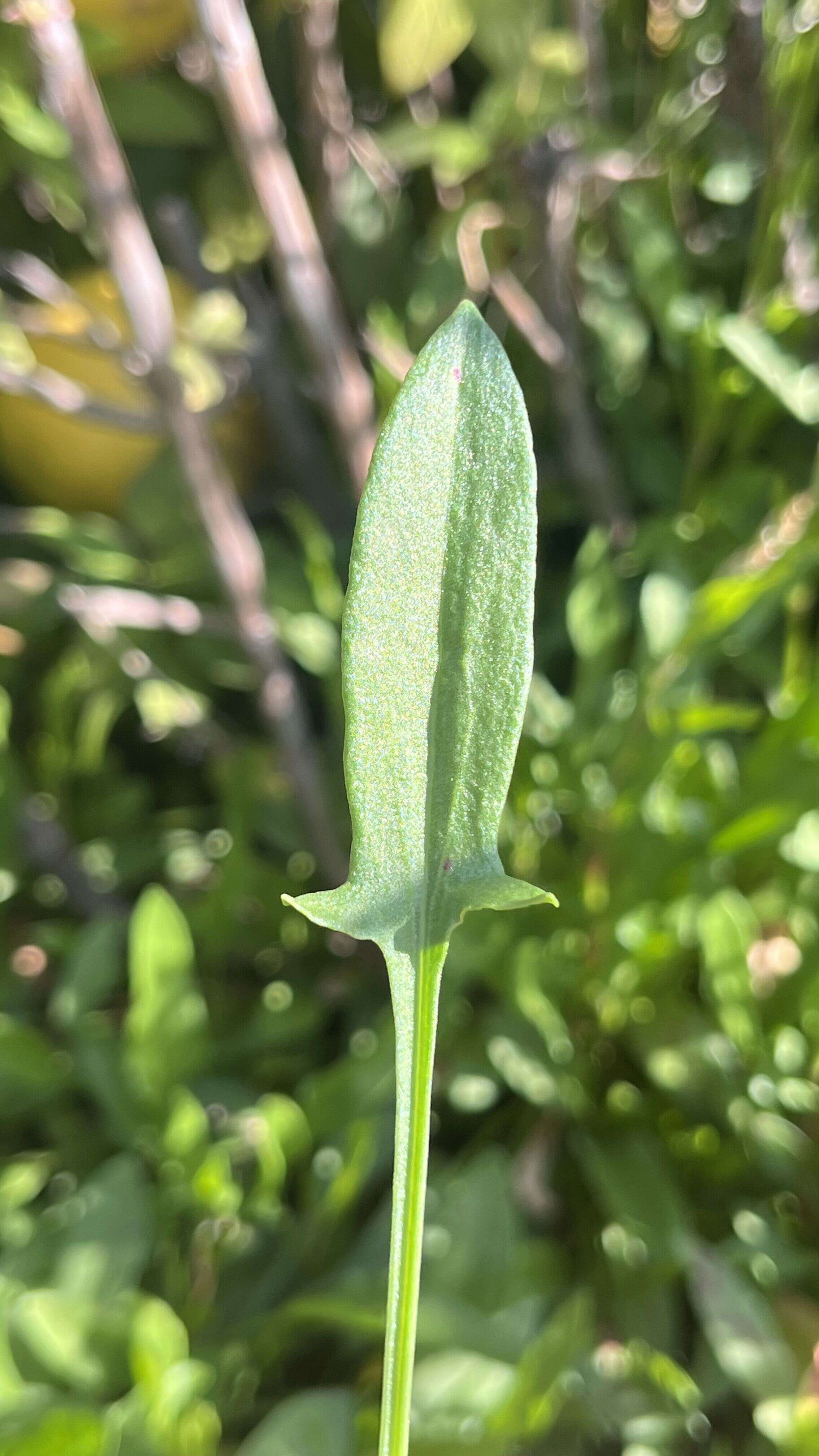
Identification: Cape Gooseberry is a bushy perennial plant that grows up to 1 metre tall. The leaves are heart-shaped, slightly hairy, and have wavy edges. Its small, yellow flowers with dark centres resemble those of other nightshade plants. The fruit is round, smooth, and encased in a pale brown husk (called a calyx) that dries out as the fruit ripens, giving it a distinctive lantern-like appearance.
Habitat: Cape Gooseberry grows well in temperate to subtropical climates and is commonly found in gardens, small farms, and even as a weed in disturbed areas. It prefers well-drained soil, full sun, and moderate watering. In South Africa, it grows in both cultivated and semi-wild conditions, especially in the Western Cape and parts of KwaZulu-Natal.
Uses: The berries are edible raw or cooked, often used in jams, chutneys, fruit salads, sauces, desserts, or dipped in chocolate. They have a sweet yet tart flavour and are high in vitamins A, C, and antioxidants. Traditionally, Cape Gooseberries have been used in folk remedies to treat sore throats, urinary issues, and as an anti-inflammatory. However, scientific evidence on medicinal effects is still limited.
Harvesting Tips: Fruits are ready to harvest when the husks turn light brown and papery, and the berries inside are bright orange. They often fall to the ground when fully ripe. Pick gently by hand, and remove the husk before eating or cooking. Store them in their husks in a cool, dry place for extended shelf life. Avoid unripe, green berries, as they may contain mildly toxic solanine (like other nightshades).
Fun Fact: The Afrikaans name "Kaapse Kruisbes" literally means "Cape Cross Berry," even though the plant is unrelated to true kruisbes (Ribes uva-crispa). The "Cape" in its name refers to its early cultivation in the Cape Colony, where it became naturalised and popular in kitchen gardens during the 19th century.