Land
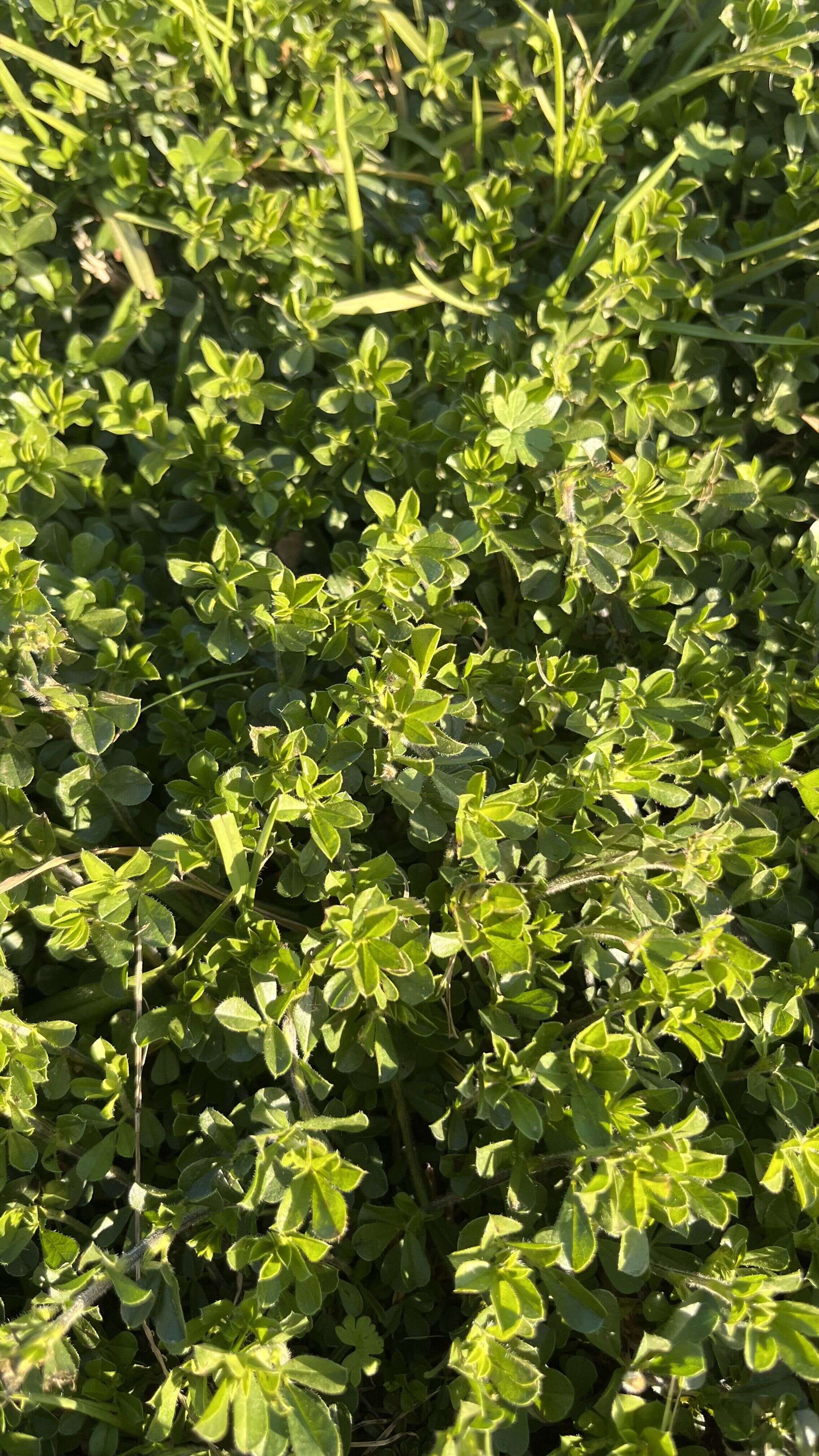
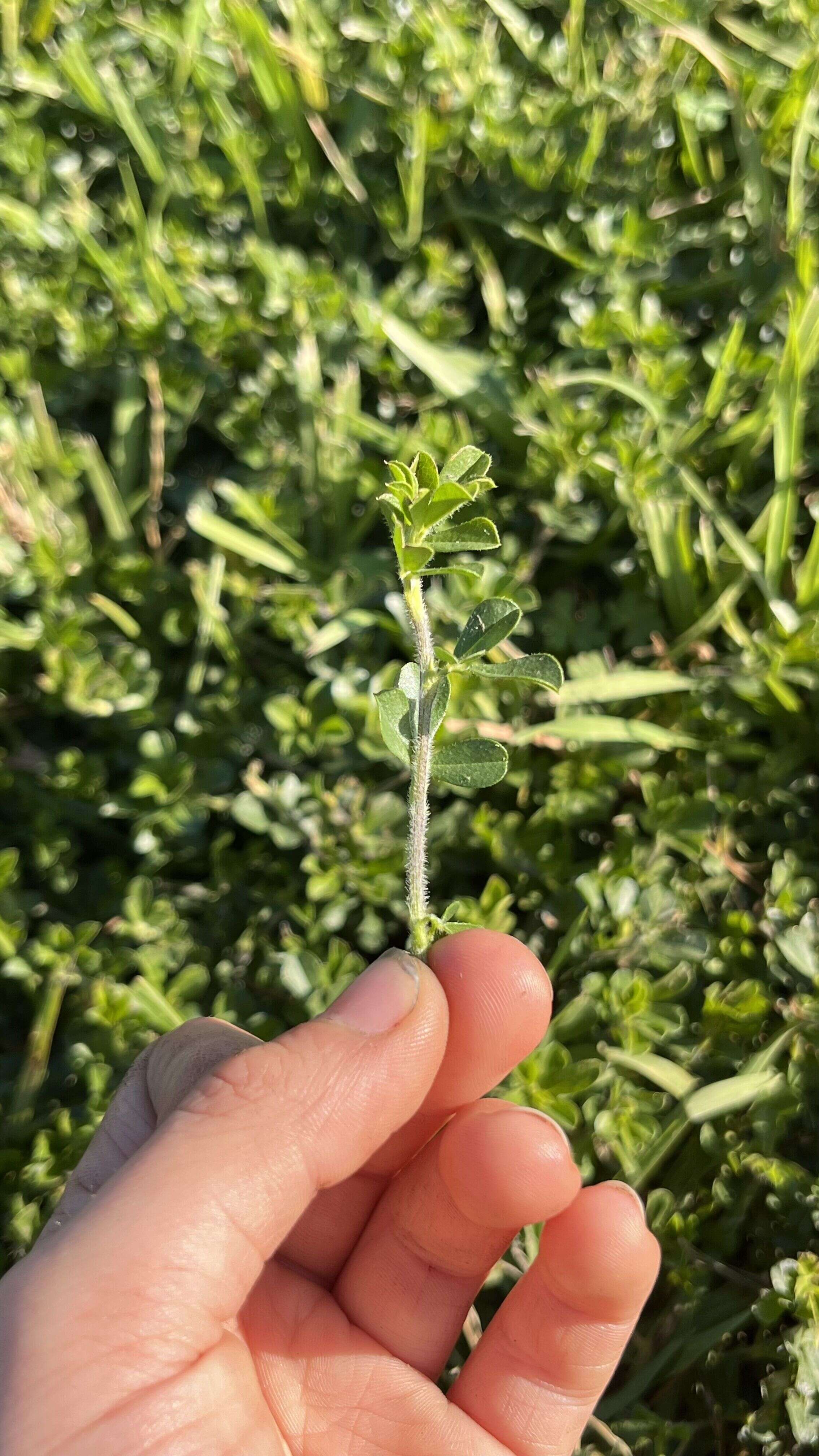
About: Black Medic is a low-growing annual or short-lived perennial legume native to Europe and Asia but now widespread across the world, including South Africa. It is often considered a weed but plays a valuable role in soil improvement due to its nitrogen-fixing capabilities. While not a major edible plant, it is occasionally used in wild food foraging and herbal traditions.
Identification: Black Medic forms a trailing or low-lying mat of thin stems with trifoliate (three-parted) leaves that resemble those of clover. The leaflets are oval, often with a tiny point at the tip of the center leaflet. The plant produces small, bright yellow, ball-shaped flower clusters. The seedpods are black when mature, hard, and spirally coiled—this gives the plant its common name.
Habitat: It grows well in dry, compacted soils and is commonly found along roadsides, in lawns, disturbed sites, and garden beds. Black Medic tolerates poor soil and drought conditions and is often one of the first plants to colonize disturbed ground. In South Africa, it is widespread in both urban and rural areas.
Uses: While not a major food crop, the young leaves and shoots can be eaten raw or cooked in small quantities, but they are somewhat bitter and fibrous. More commonly, Black Medic is used as a groundcover or green manure due to its ability to improve soil by fixing nitrogen. In folk medicine, infusions of the plant were traditionally used as a mild laxative or to soothe minor inflammation. However, its medicinal use is limited and should be approached with caution due to the presence of compounds like saponins and low levels of alkaloids.
Harvesting Tips: If harvesting for foraging or medicinal purposes, gather the young leaves and shoots before the plant flowers. Pick only from clean, pesticide-free areas. Always rinse well. Since it is not a primary edible plant, it is best used sparingly or blended with other more palatable greens. For soil improvement purposes, simply allow it to grow, then cut and leave the biomass to decompose in place.
Fun Fact: Black Medic's nitrogen-fixing abilities make it a natural lawn improver—so if it shows up in your garden, it's quietly working to make your soil healthier.