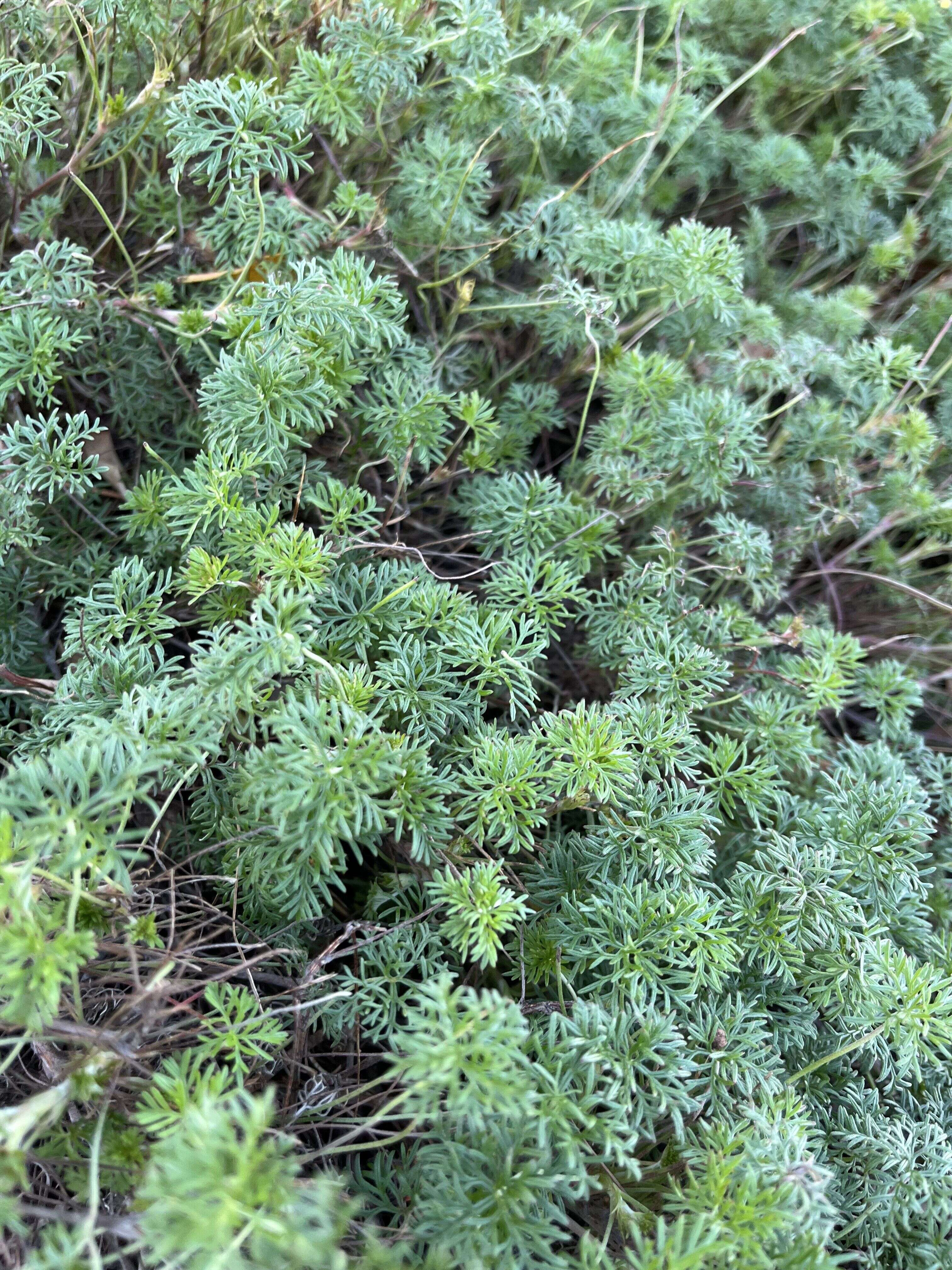
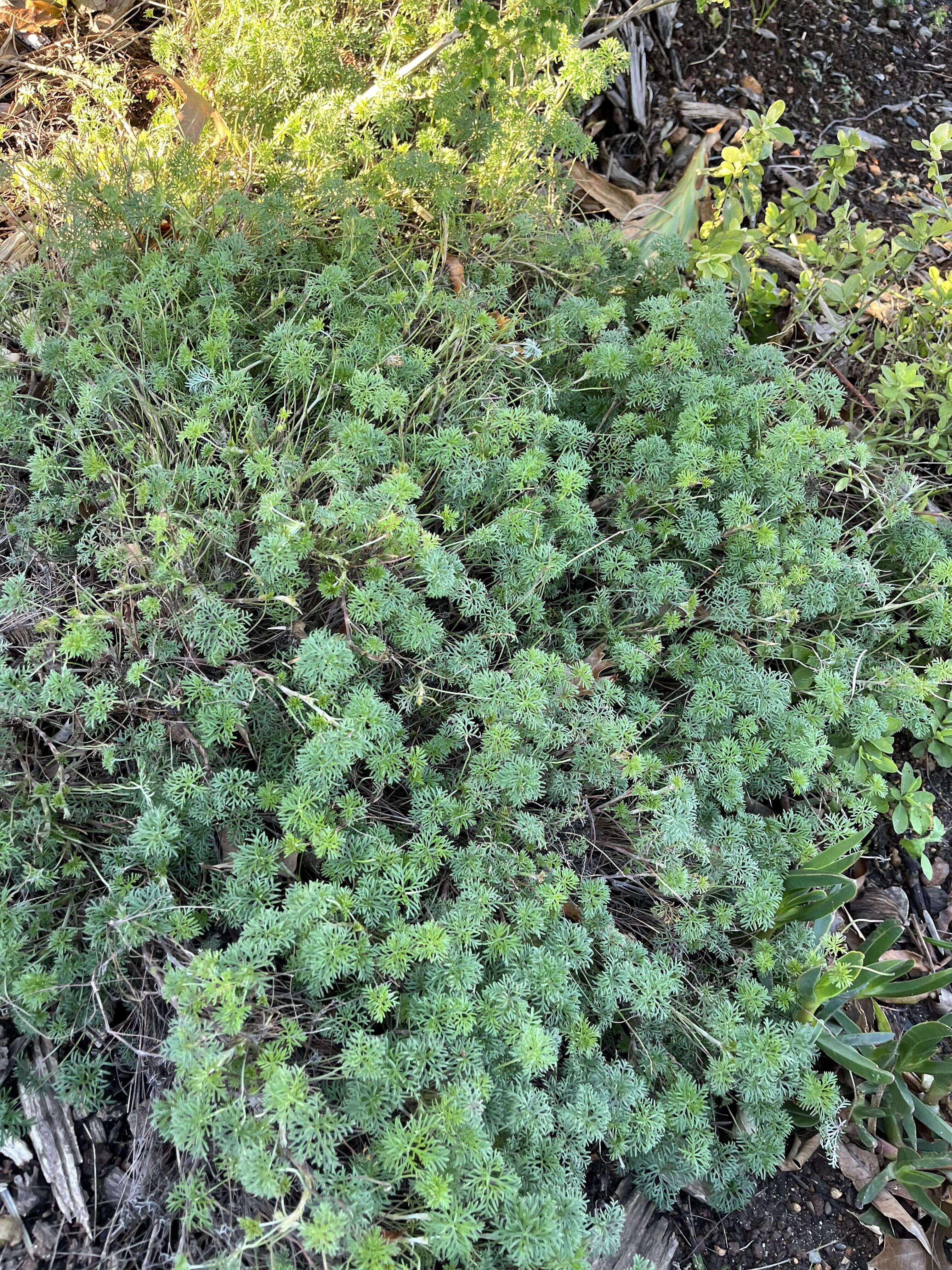
About: Geranium incanum is a hardy, low-growing perennial native to South Africa, particularly the coastal regions of the Western and Eastern Cape. It forms a dense, evergreen mat approximately 20–40 cm tall and spreads widely to cover ground, flowering almost year-round with a peak in spring and summer. Its delicate, finely divided leaves feature a silvery-grey sheen, and it bears striking mauve-to-pink blooms that attract pollinators and add ornamental value to gardens.
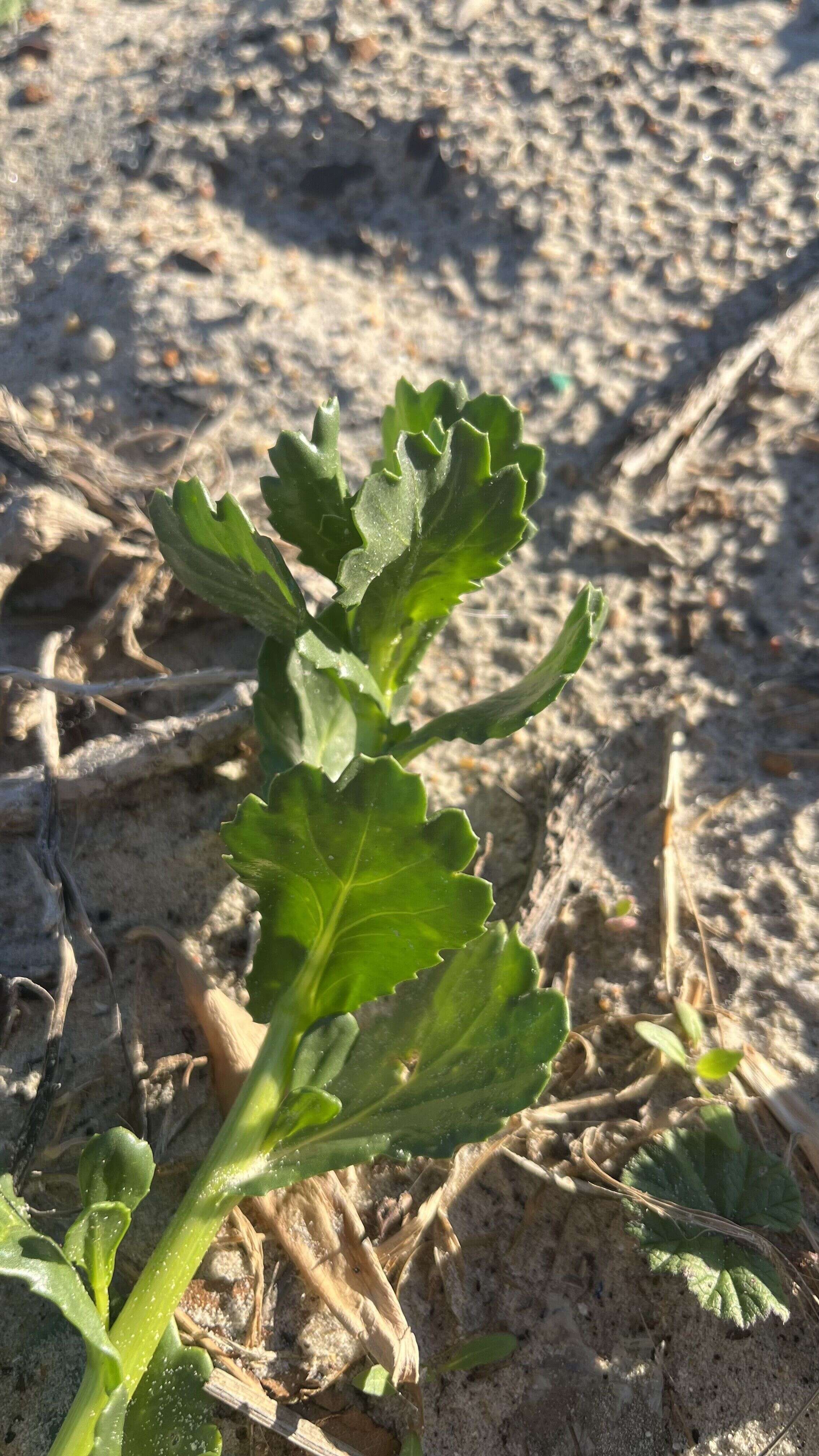
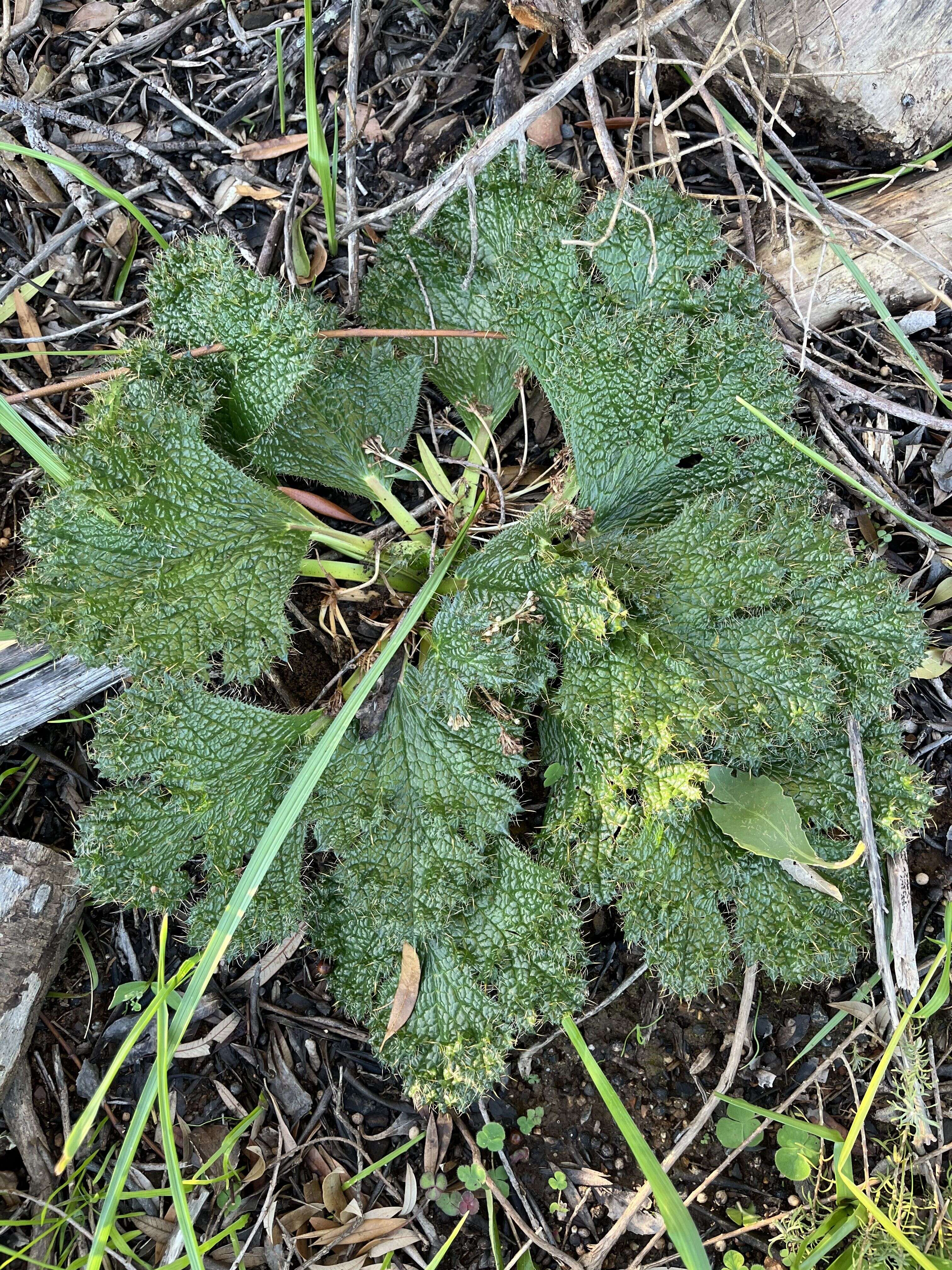
Identification: This carpet geranium has a mat-forming habit and shows off soft-textured, deeply lobed leaves that are greenish-grey on top and hairy and white underneath. It reaches about 200–400 mm in height. The flowers are around 35–40 mm wide—purple to magenta in color—borne on hairy stalks from late summer through spring.
Habitat: Geranium incanum naturally occurs from the Cape Peninsula to Port Alfred, thriving in marshy areas, damp coastal flats, and seepage zones. It scrambles through natural vegetation across both winter and summer rainfall zones and performs well in granitic, loamy, or sandy soils—even tolerating grey water if moisture is steady.
Medicinal Uses: Traditionally, Geranium incanum has been brewed as a medicinal tea—often called “women’s tea” (vrouetee)—used to alleviate women's reproductive ailments, including menstrual issues, childbirth recovery, and bladder infections. It also supports digestive health, relieving diarrhea, colic, venereal diseases, low blood pressure, and back pain. Modern pharmacological studies confirm its efficacy in reducing diarrhea and intestinal propulsion in animal models, demonstrating significant antidiarrhoeal and antipropulsive activity, likely due to tannins, saponins, and flavonoids present in the leaves.
History: The scientific name Geranium incanum derives from Greek for “crane,” referencing its seed pods resembling a crane’s bill. Indigenous to South Africa, it has long featured in folk medicine, earning the vernacular name “vrouetee” due to its wide use in treating women’s health issues. Over time, the plant’s use extended beyond cultural traditions, with modern research now validating its traditional reputation—particularly for digestive and reproductive health.