Land
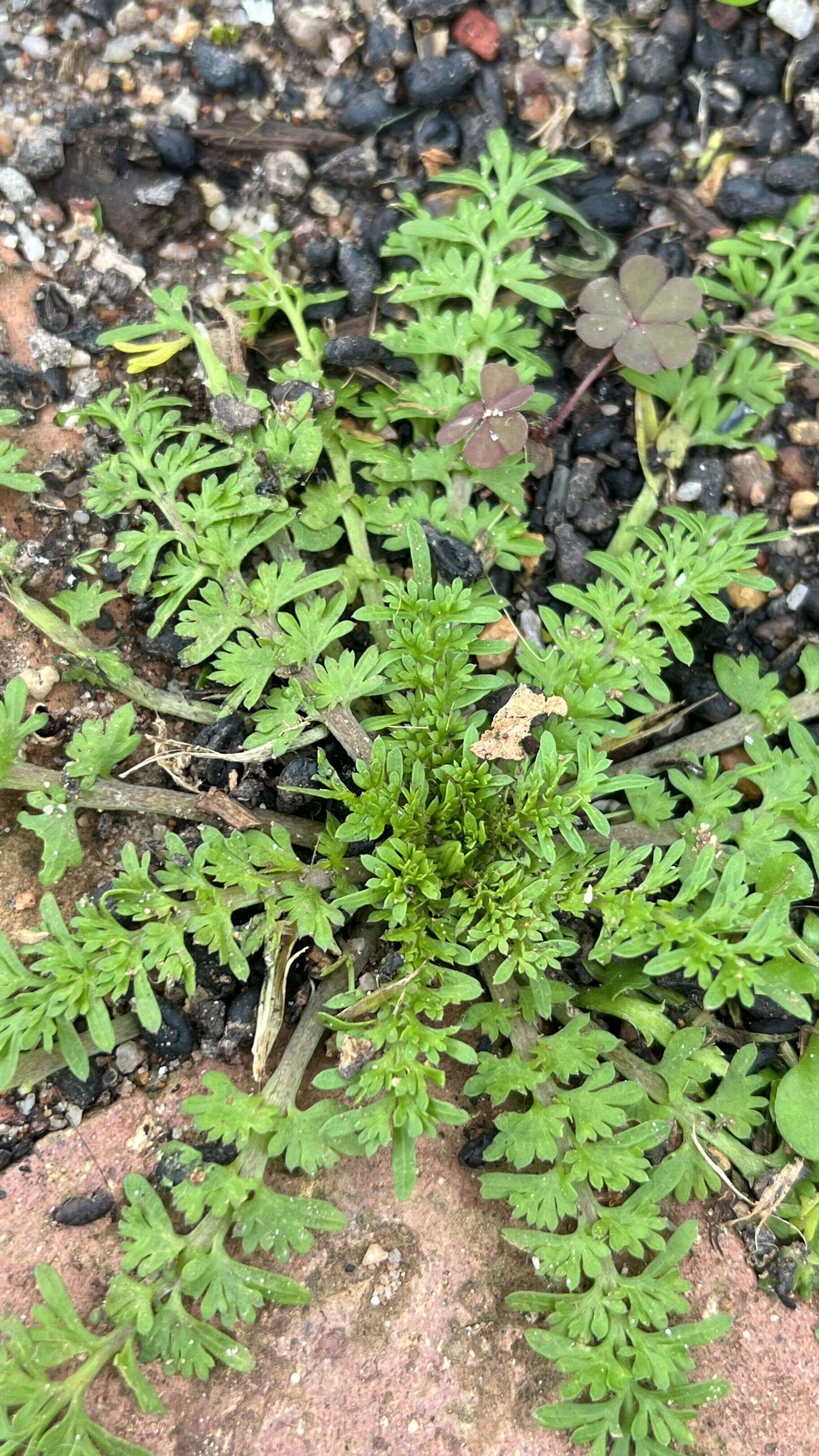
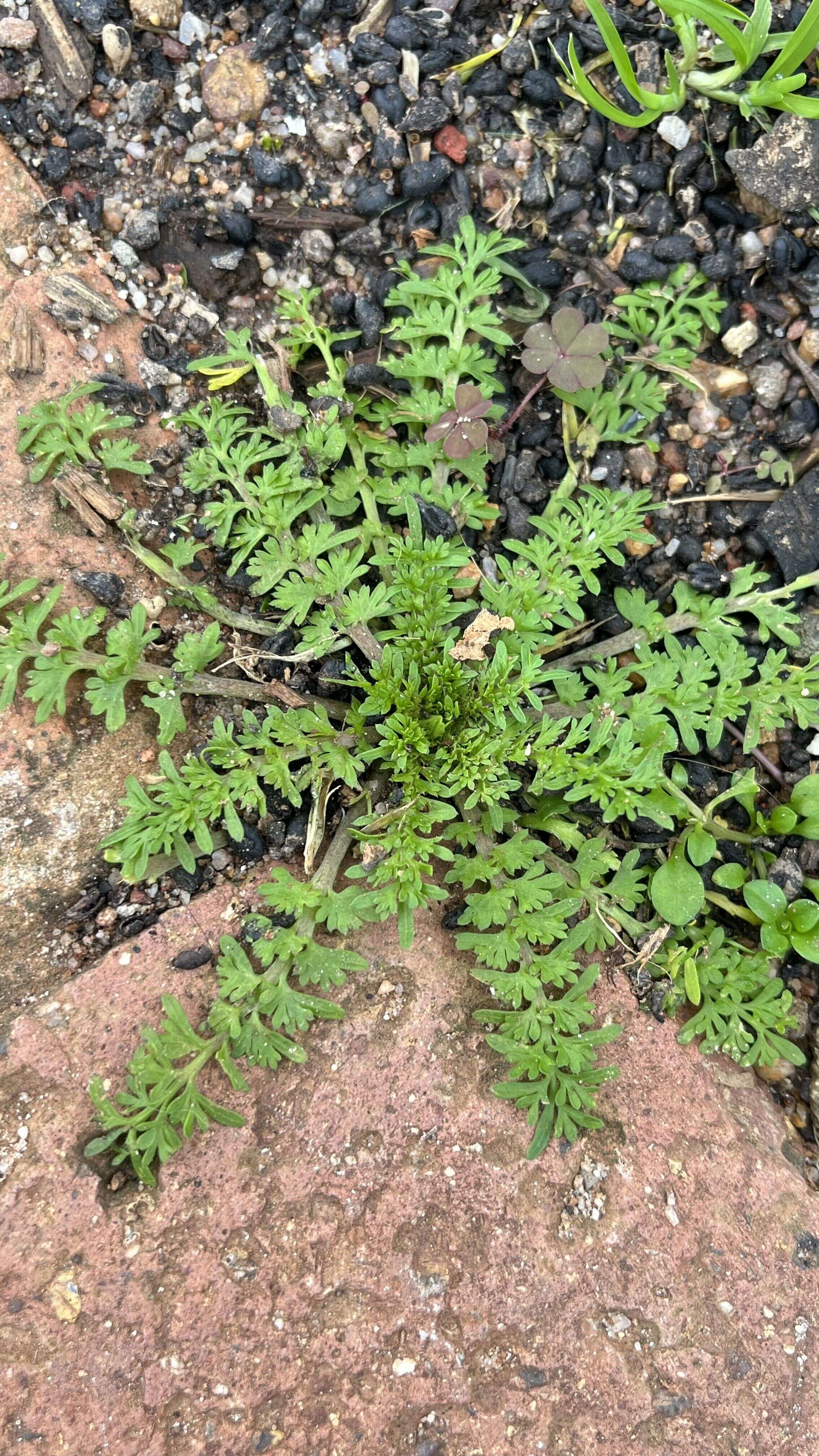
About: Swinecress is a low-growing, weedy plant in the mustard family that often appears in disturbed areas, gardens, paths, and pastures. It is originally native to South America but has become naturalised and widespread in many parts of the world, including South Africa. Though often overlooked as a weed due to its strong smell, it is a nutritious and useful wild edible with a history of traditional medicinal use.
Identification: Swinecress is a mat-forming, spreading plant with finely divided, feathery leaves that resemble those of parsley or carrot but are much smaller. When crushed, the leaves emit a strong, pungent odour—a distinctive trait. The plant produces tiny, greenish flowers that are not very showy and appear at the tips of the stems. The fruit is a small, rounded, wrinkled pod divided into two lobes.
Habitat: This plant thrives in disturbed soils, roadsides, lawns, gardens, animal enclosures, and pathways. It grows well in compact, nutrient-rich soils and tolerates trampling, making it common in urban, suburban, and rural environments. It can be found across most of South Africa, especially during the cooler months.
Uses: The leaves and stems of Swinecress are edible and have a strong mustardy flavour. They can be added in small amounts to salads, soups, or cooked greens, but are best used as a seasoning herb due to their intense taste. Medicinally, it has been used in traditional remedies for colds, coughs, and digestive issues. The plant contains compounds similar to other brassicas, which may have antimicrobial and anti-inflammatory properties.
Harvesting Tips: Harvest young, fresh leaves before the plant flowers, as the flavour becomes more bitter and pungent with age. Use scissors or pinch off the tops of the plant. Avoid harvesting from polluted or heavily walked-on areas, as the plant tends to grow in compacted soils and along paths. Wash thoroughly before use, especially when foraging from disturbed areas.
Fun Fact: Swinecress gets its name from its traditional use as fodder for pigs in rural areas. Despite its unpleasant smell, it's a nutrient-rich green with a surprisingly long history in herbal medicine and food in various cultures.