Land
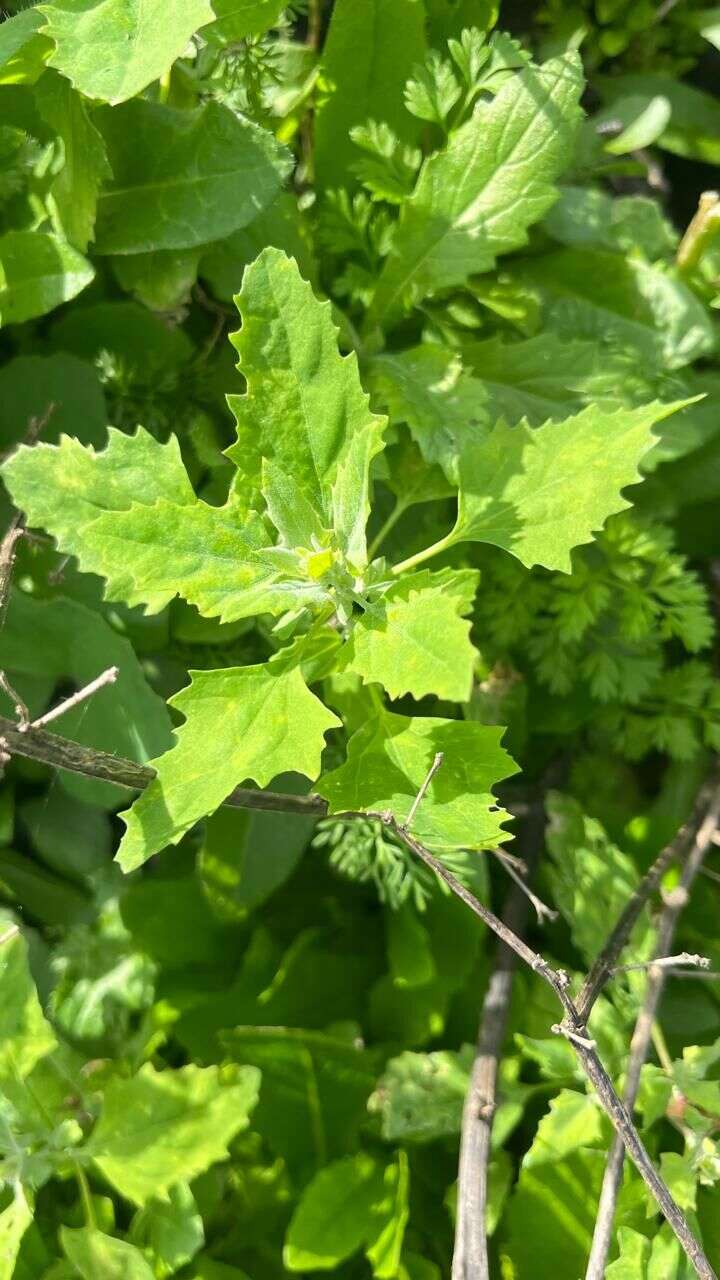
About: Fat Hen is a fast-growing wild green that's often dismissed as a weed — but it's actually an ancient food plant, used for centuries by many cultures. It's related to quinoa and spinach and was once cultivated in Europe and Africa for both its leaves and seeds.
This hardy plant grows easily and provides highly nutritious leaves rich in iron, calcium, protein, and vitamins A and C. It's one of the most useful edible weeds in South Africa.
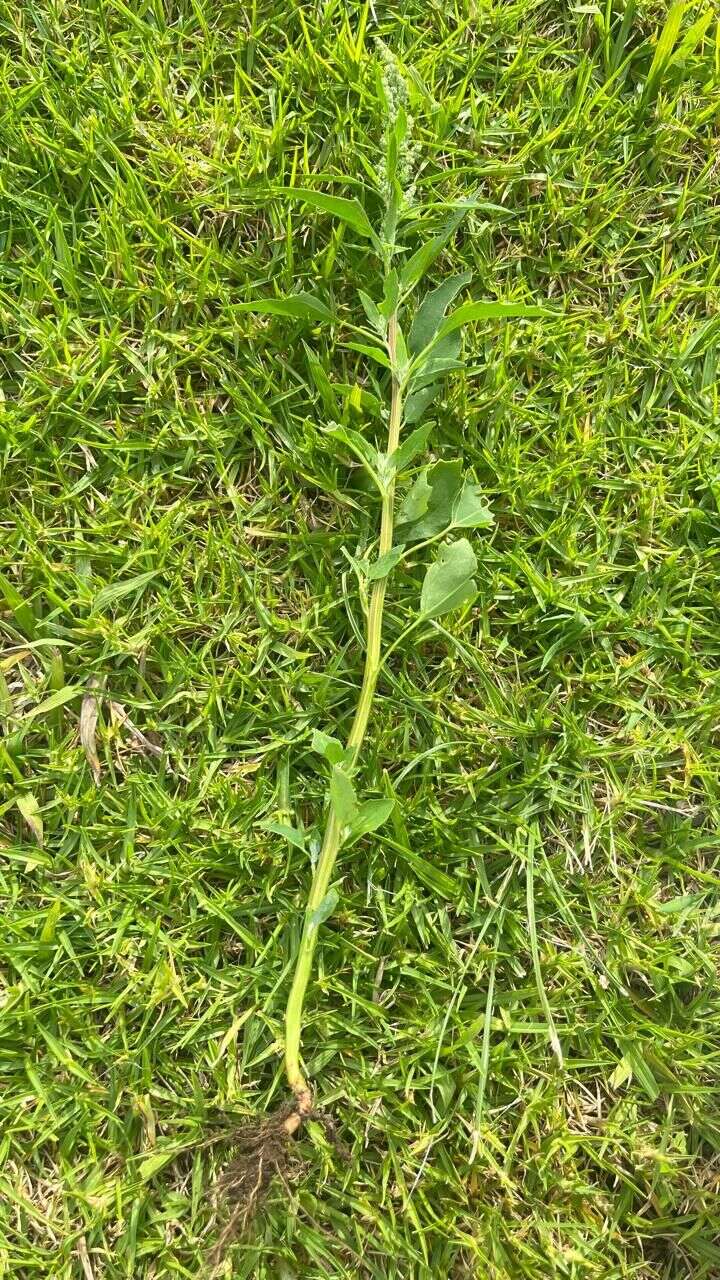
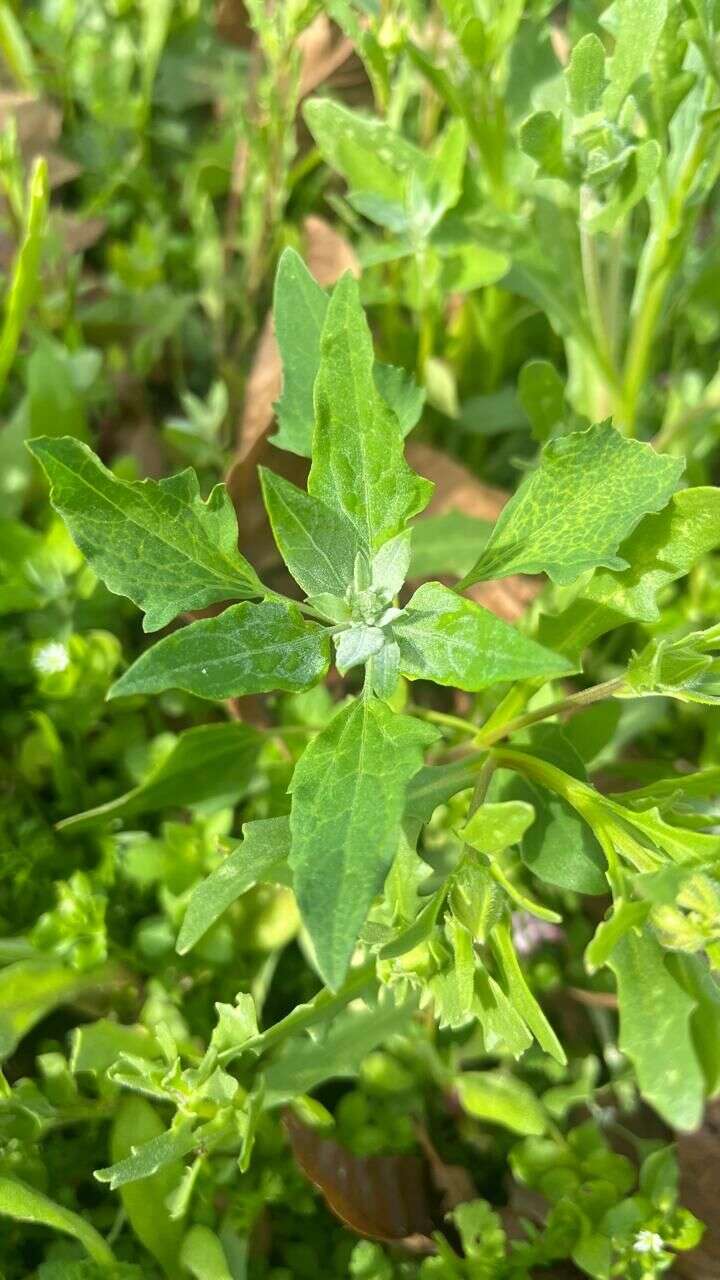
Identification: Fat Hen grows upright and can reach 30 cm to over 1 metre tall. The leaves are soft, dull green to grey-green, often coated in a mealy or powdery white layer, especially on young growth. Leaf shapes vary but are often diamond-shaped or oval with wavy or toothed edges. The stems are grooved and may have a reddish tinge, especially near the base. The flowers are tiny, green, and clustered at the ends of branches, forming dense, upright spikes. These turn into small black seeds when mature.
Habitat: Fat Hen thrives in disturbed soils, including gardens, fields, roadsides, compost heaps, and vacant lots. It prefers sunny locations and fertile soils, often appearing after ploughing or digging. In South Africa, it grows widely in both rural and urban environments, especially during the summer rainy season, and is commonly found alongside maize and other crops as a volunteer plant.
Uses: Fat Hen is a nutrient-dense leafy green, high in vitamins A, C, and K, calcium, iron, and protein. The young leaves and shoots are the most tender and are cooked like spinach or added to soups and stews. They can also be used in green smoothies, omelettes, or baked dishes. The flavour is mild and pleasant.
In traditional medicine, the leaves have been used as a mild laxative, to support digestion, and externally as a poultice for burns and skin irritations. The seeds are also edible and can be cooked like quinoa (a close relative), though they are very small and require careful cleaning.
Note: Like spinach and beetroot, Fat Hen contains oxalic acid, so it is best eaten in moderation or cooked if consumed frequently.
Harvesting Tips: Harvest the young, tender leaves and stems in early growth stages before the plant flowers. Cut or pinch the top few centimetres of growth, which encourages regrowth and prolongs the harvest. The plant can be harvested repeatedly throughout the season. Always wash thoroughly, especially if growing near dusty roads or agricultural land.
Avoid harvesting mature plants with tough stems or yellowing leaves, and don't collect from areas that may have been sprayed with herbicides or contaminated with waste.
Fun Fact: The Afrikaans name "Melde" is one of the oldest local names still used for traditional wild greens in South Africa. In fact, Fat Hen was once cultivated as a vegetable crop in Europe, especially before spinach became widely popular. Its seeds were also used as a grain in prehistoric times, and archaeologists have found evidence of Fat Hen seeds in ancient cooking sites, dating back thousands of years.