Land


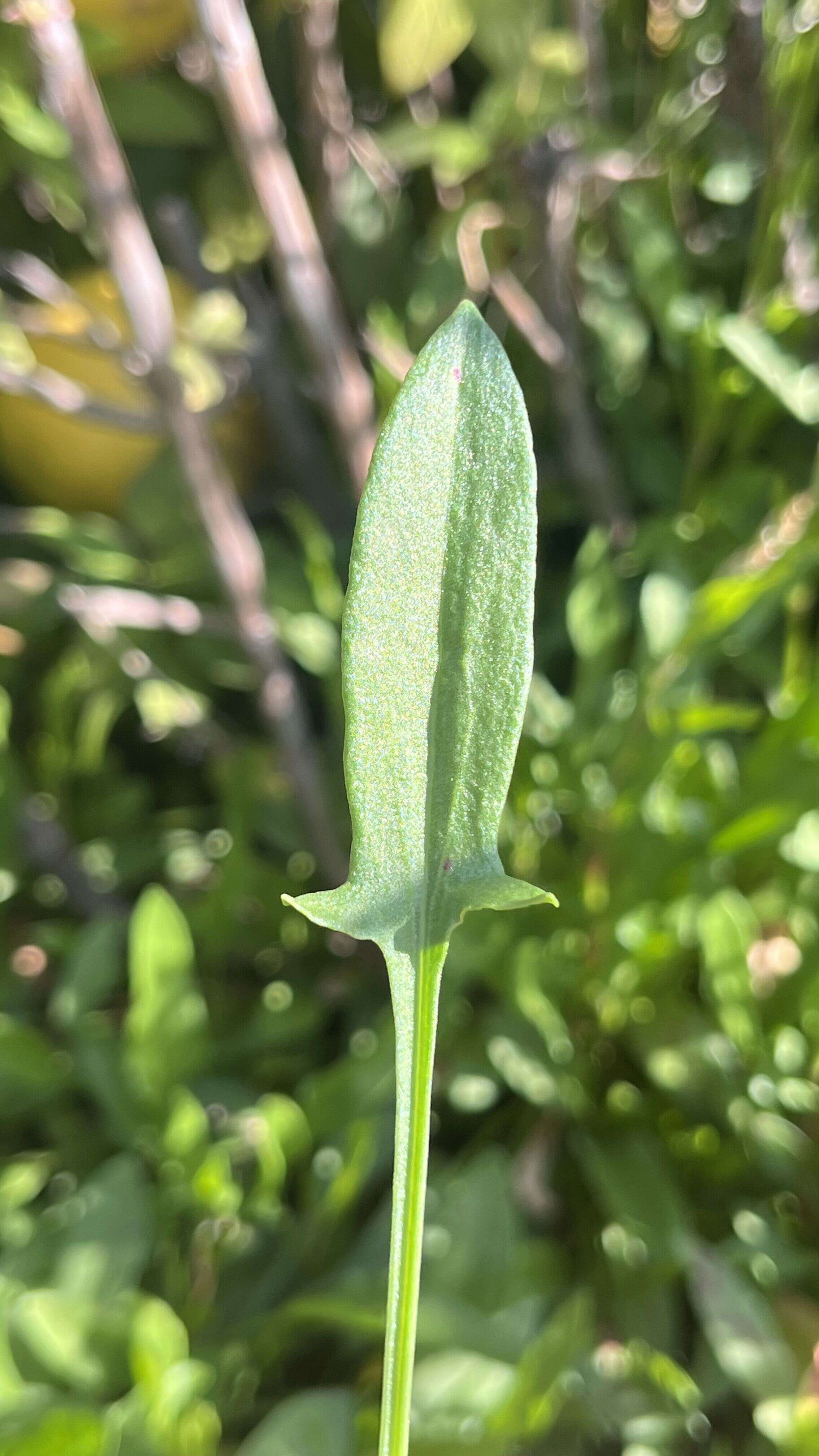
About: Oxalis is a genus of small herbaceous plants found worldwide, with a large number of native species in South Africa — especially in the Cape Floristic Region. It's known for its sour-tasting leaves, which contain oxalic acid, the same compound found in spinach and sorrel. It's often treated as a weed in gardens but has traditional uses as a snack, medicinal herb, and occasionally a cooked green. Some species are even grown ornamentally for their bright yellow, pink, or white flowers.
Identification: Oxalis typically grows low to the ground in a dense mat. The leaves are made up of three heart-shaped leaflets, resembling clover or shamrocks. These leaflets often fold downward in low light or when touched. The plant produces bright yellow, five-petaled flowers, usually blooming in clusters. The stems are thin and juicy, and the plant often grows from small underground bulbs.
One of the most common species in South Africa is Oxalis pes-caprae, which has more vigorous growth and larger flowers, especially in winter rainfall regions.
Habitat: Oxalis thrives in gardens, lawns, roadsides, fields, and disturbed soils. It prefers full sun to partial shade and does especially well in moist, well-drained soil. In South Africa, it is most abundant in the Western Cape during the winter and early spring, forming bright carpets of yellow flowers. Some species also appear in summer rainfall regions but are less dominant.
Uses: The leaves, stems, and flowers of Oxalis are edible in small quantities. They can be used to add a sour note to salads, sandwiches, sauces, or herbal drinks. In traditional South African practices, the leaves have been used for cooling fevers, stimulating appetite, and sometimes applied to the skin for soothing insect bites or inflammation.
Because of the high oxalic acid content, which can interfere with calcium absorption and affect the kidneys if eaten in excess, Oxalis should be treated as a flavouring herb rather than a main vegetable. Cooking the plant reduces its acidity slightly, but moderation is still key.
Harvesting Tips: Harvest young leaves and flowers early in the day when they are freshest. Use scissors or gently pinch the stems. Choose clean areas away from roads, chemically treated lawns, or pet traffic. The best time to harvest is during peak flowering, usually in winter or early spring in the Western Cape. The leaves wilt quickly, so use them soon after picking or refrigerate briefly in a damp cloth.
Avoid harvesting in bulk or for daily use to minimise oxalate intake, especially for individuals with kidney conditions.
Fun Fact: Oxalis is sometimes called "sourgrass" because of its high oxalic acid content, which gives it a distinctive sour taste!