Land
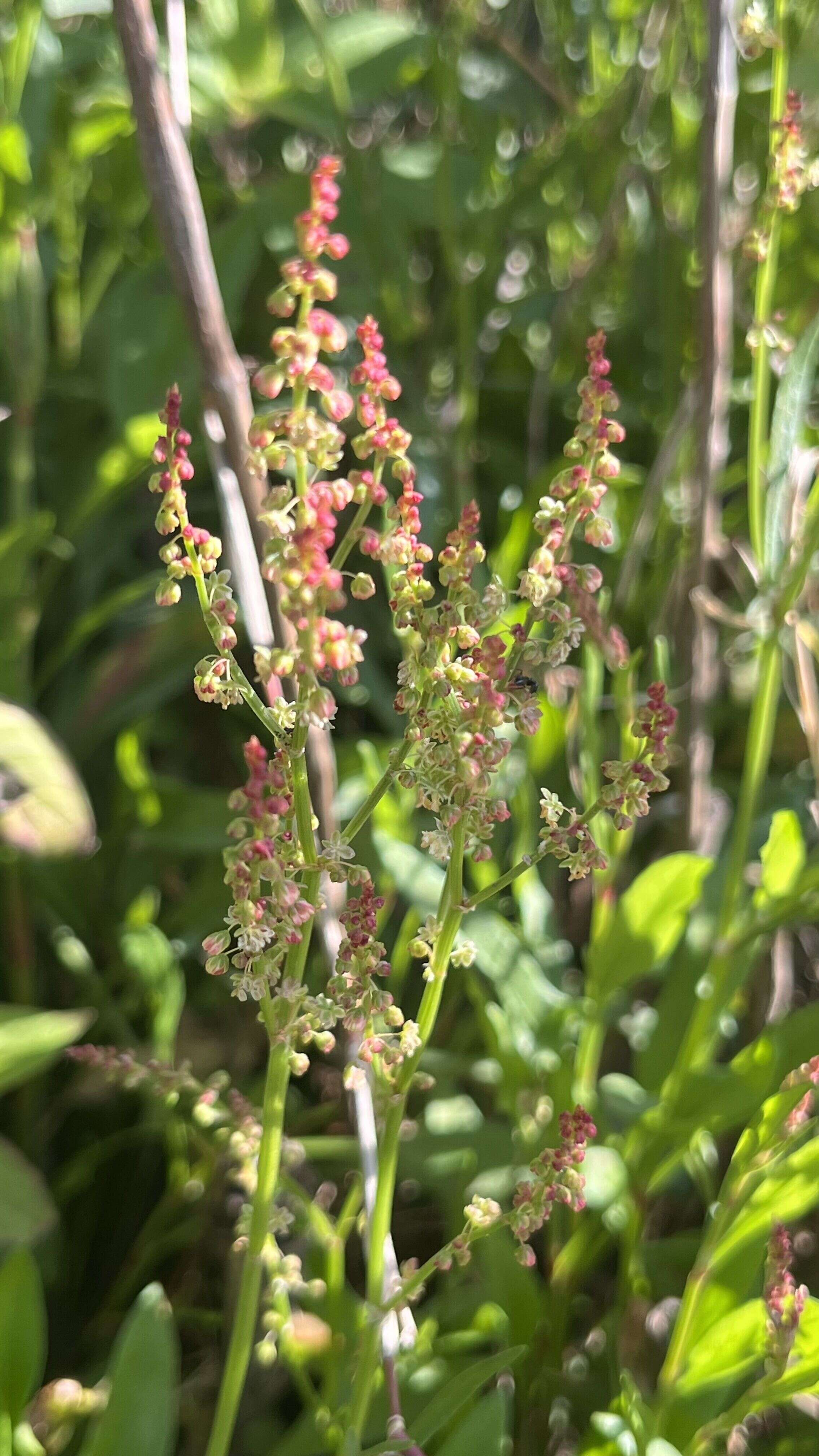
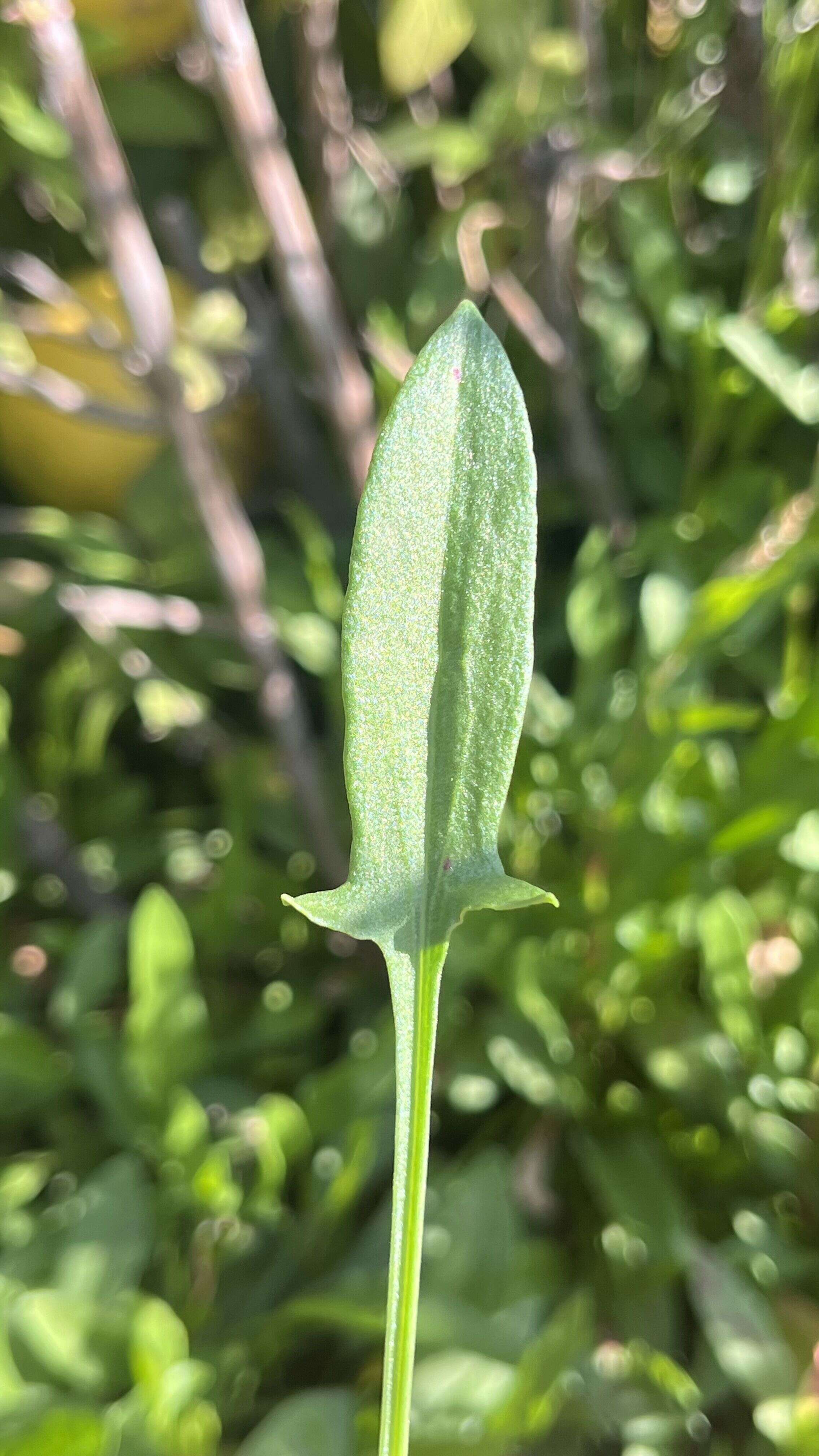
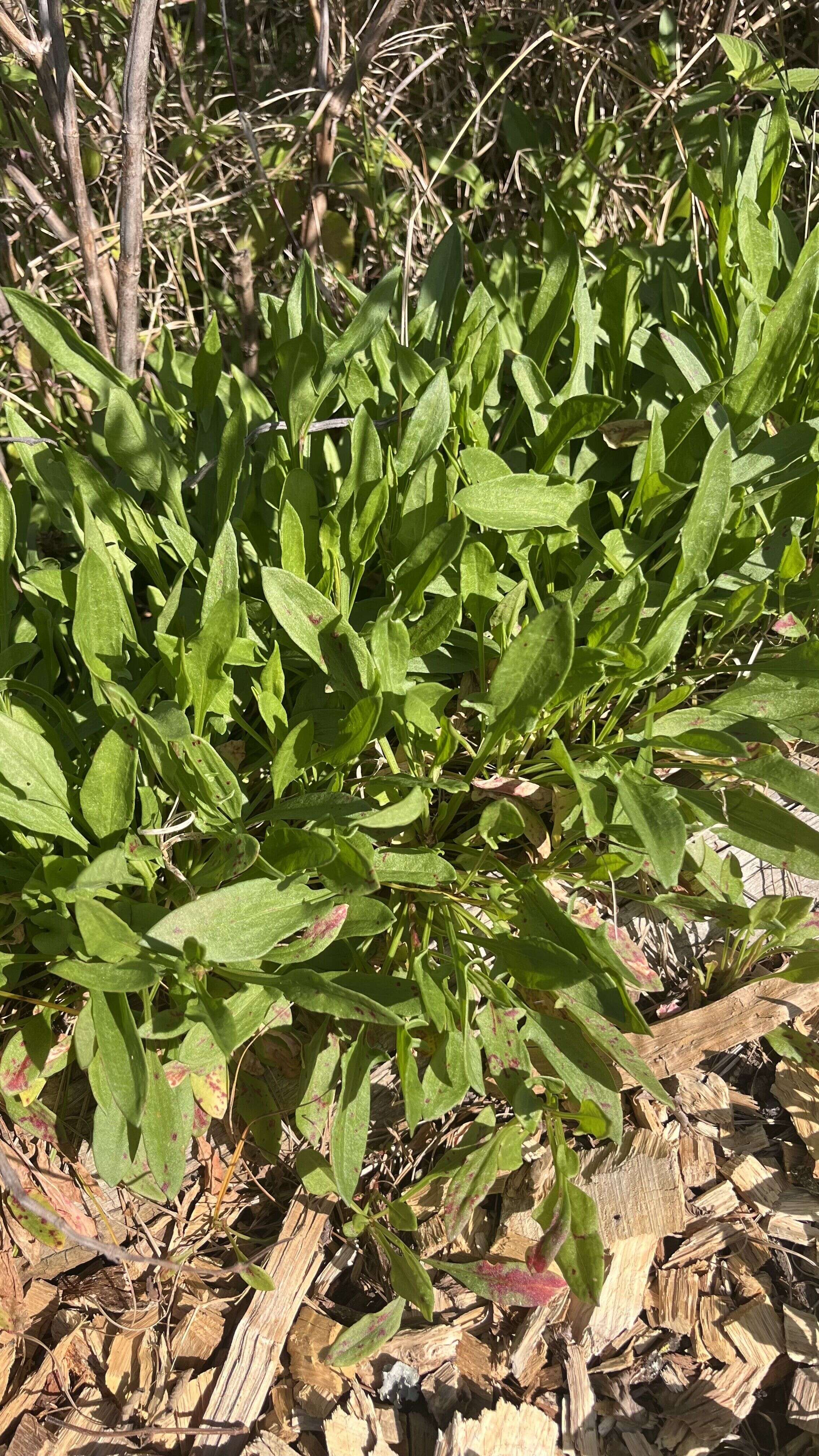
About: Sheep Sorrel is a perennial herb native to Europe and Asia but now found widely in South Africa and other parts of the world. It is well known for its tangy, lemony flavour due to a high oxalic acid content. Traditionally used in herbal remedies and as a wild edible, it plays a small but notable role in folk medicine and foraging cultures.
Identification: Sheep Sorrel is a low-growing plant with slender, upright stems that can reach up to 40 cm tall. The leaves are hairless and distinctly shaped—arrow-like with two small lobes at the base pointing outward. In summer, it produces small, reddish-green flowers on tall stalks. The plant turns reddish as it matures or in poor soil.
Habitat: This plant grows in disturbed soils, pastures, grasslands, roadsides, and sandy or acidic soils. It is especially common in poor, dry soils where other plants struggle. It thrives in full sun but can tolerate partial shade.
Uses: Sheep Sorrel is edible and has been used traditionally as a salad green or herb. The leaves have a sharp, sour taste and are eaten raw in small amounts, or used to flavour soups and sauces. Medicinally, it has been used as a diuretic, to support digestion, and as an ingredient in traditional herbal mixtures such as Essiac tea. However, it should be consumed in moderation due to the presence of oxalic acid, which can be problematic in large amounts.
Harvesting Tips: Harvest young leaves for the best flavour—older leaves can become tough and more acidic. Use scissors or pinch the leaves off near the base. Always harvest from clean, uncontaminated areas. Avoid collecting large amounts from one patch to allow the plant to regrow.
Fun Fact: Sheep Sorrel's leaves contain oxalic acid—the same compound that gives rhubarb and sorrel their tartness. This makes it a favourite nibble for children and foragers who enjoy wild greens with a tangy bite.