Sea

About: Beach Mustard is a hardy coastal plant in the mustard family (Brassicaceae), native to Europe and North Africa but now widespread along sandy shorelines worldwide, including South Africa. It is known for its fleshy leaves, peppery flavour, and resilience to salt and wind. Though not commonly cultivated, it is edible and has culinary value similar to other wild mustards.
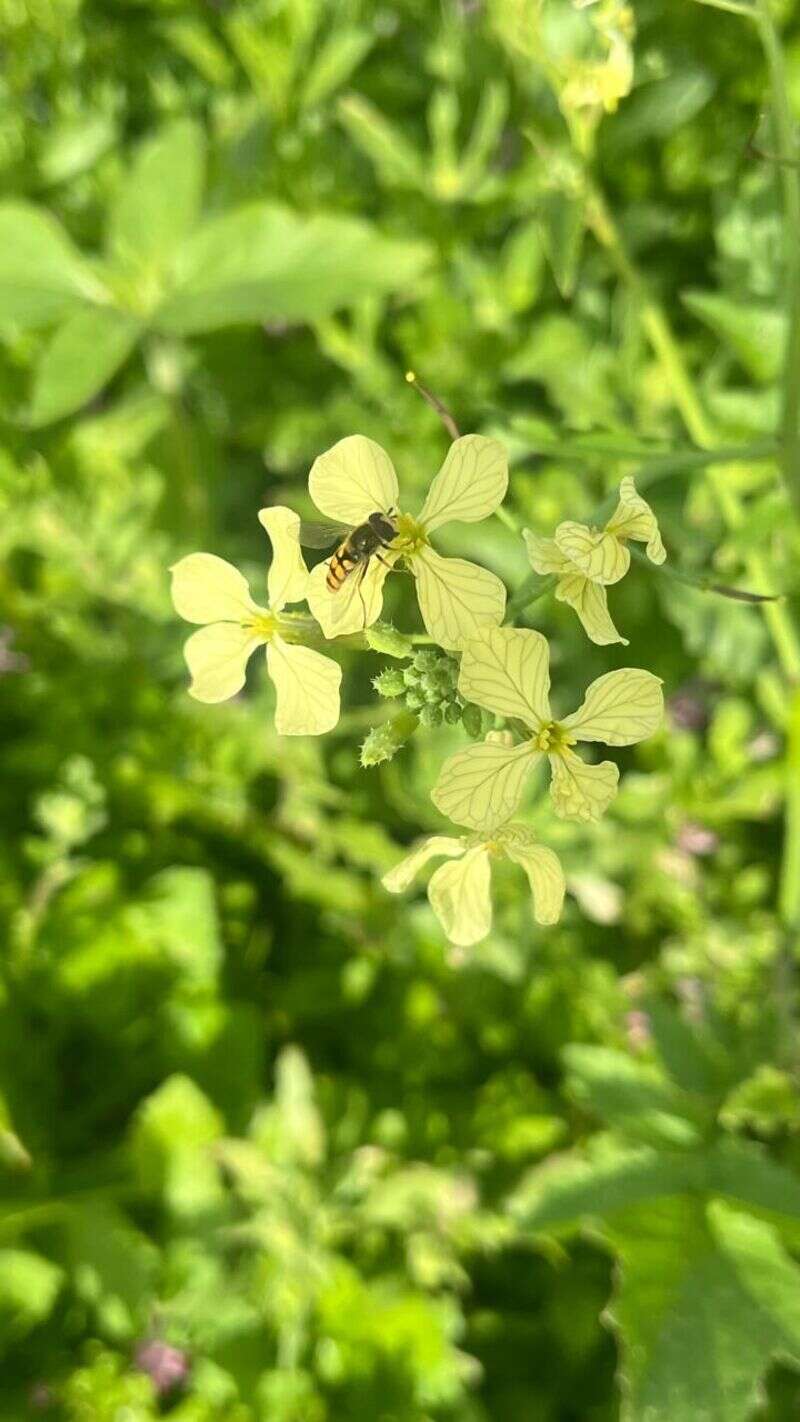
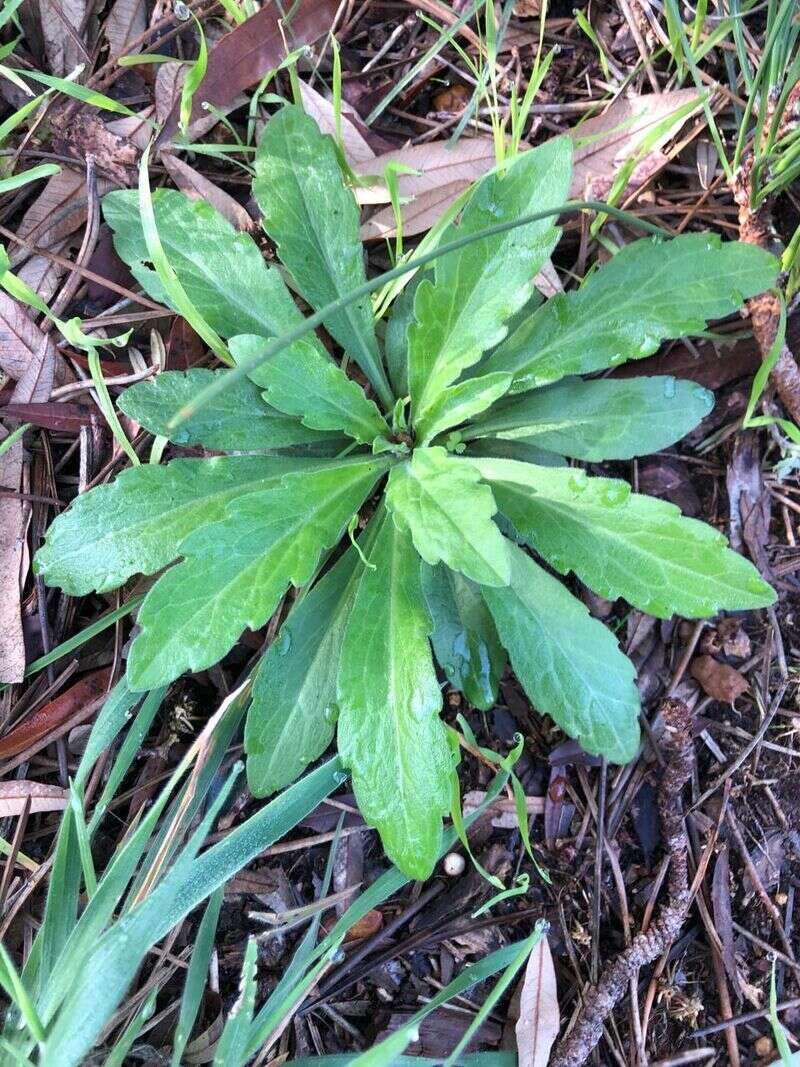
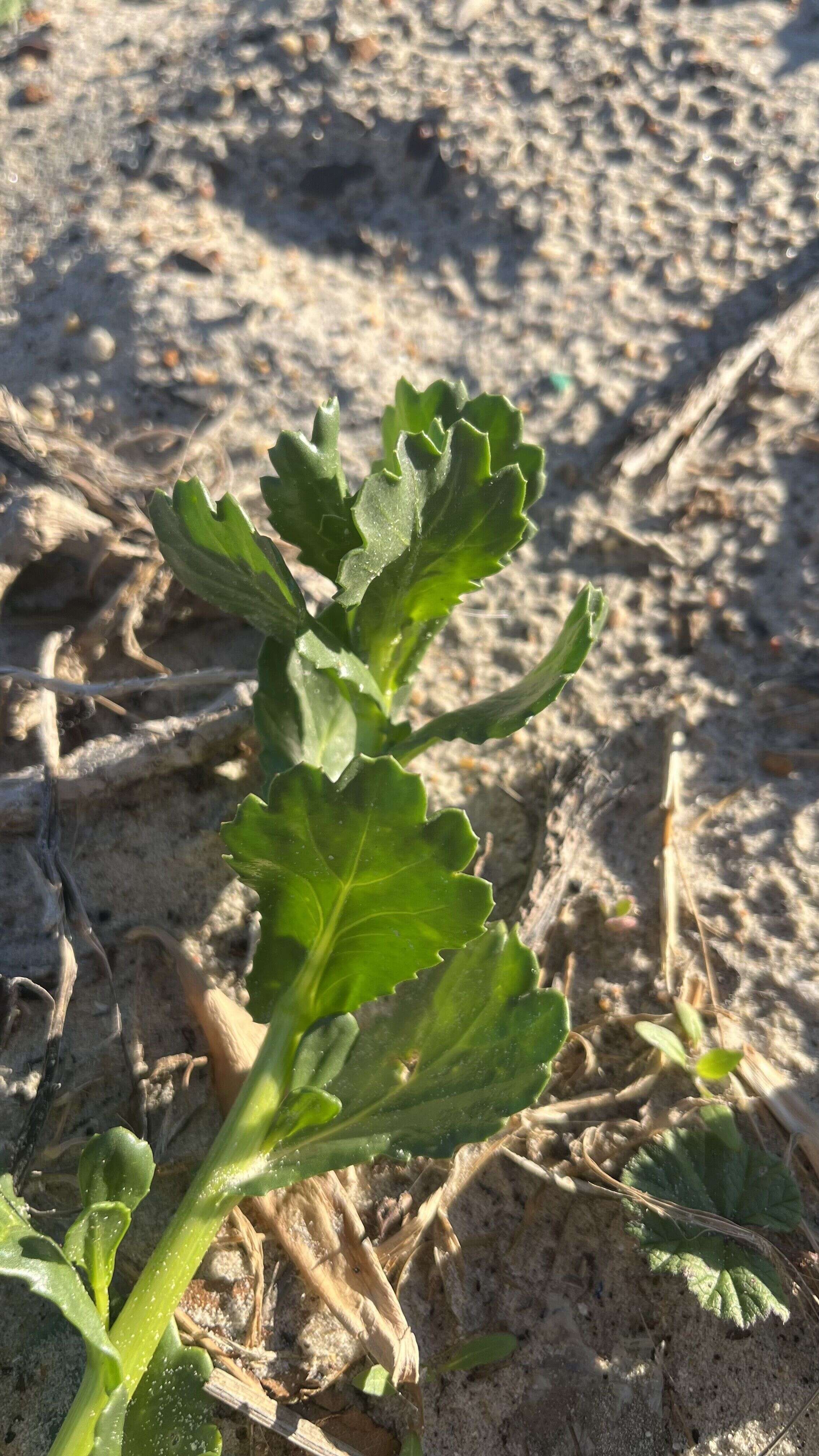
Identification: Beach Mustard is a low-growing, succulent annual or short-lived perennial. It typically reaches 30–60 cm in height and spreads out in clumps. The leaves are thick, fleshy, and often lobed or wavy-edged, with a dull green to blue-green colour. Flowers are small, usually pale lilac to pink or sometimes white, with four petals arranged in a cross shape. Its seed pods are distinctive, segmented into two parts: the upper segment contains the seed and easily detaches from the plant.
Habitat: Beach Mustard is found along sandy coastlines, dunes, and beaches. It thrives in harsh conditions—tolerating salt spray, wind, and poor soil. In South Africa, it is common along the western and southern coasts, especially in the Cape regions, where it grows above the high tide line in sandy soils.
Uses: The young leaves and stems are edible and have a mild, mustardy, slightly salty flavour. They can be eaten raw in salads or lightly cooked in stir-fries, soups, or as a green side dish. The flowers are also edible and can add colour to dishes. While not commonly used medicinally, like other brassicas, it contains glucosinolates—compounds with antioxidant and possible cancer-fighting properties.
Harvesting Tips: Harvest the young leaves and tender stems before the plant flowers for the best flavour. Always collect plants from clean coastal areas, away from pollution and heavy foot traffic. Use scissors or pinch off leaves carefully to avoid uprooting the plant. Since the plant is salt-tolerant, rinse leaves in fresh water to remove excess salt or sand before eating.
Fun Fact: Beach Mustard's seed pods are buoyant and can float across oceans. This clever adaptation has allowed the plant to colonise coastlines across the globe, making it one of the few wild edibles that truly travels the world on its own.