Land
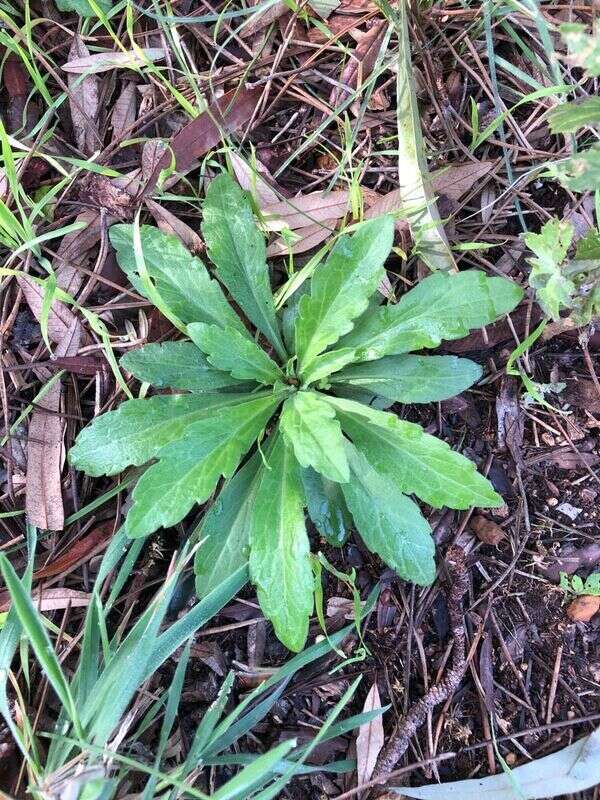

About: Fleabane is a fast-growing, weedy plant from the daisy family that is found all over South Africa. It gets its name from its historical use as a flea repellent. Though it is considered invasive in many areas, fleabane has long been used in folk medicine and was once valued as a pioneer species for poor or disturbed soils. The plant is upright, produces small white or pale purple flowers, and is commonly found in gardens, roadsides, and farmlands.
There are several species referred to as "fleabane," but they are closely related and share similar uses and features.
Identification: Fleabane typically grows between 30 cm to 1.5 meters tall with slender, erect stems. Its leaves are narrow, lance-shaped, and arranged alternately along the stem. The small flower heads have white or pale pink ray florets with yellow centers, resembling tiny daisies. The plant produces many tiny seeds with fluffy hairs that disperse easily in the wind.
Habitat: Fleabane thrives in disturbed sites such as roadsides, fields, gardens, and waste areas. It prefers full sun and well-drained soils but is highly adaptable to different soil types. It is common throughout temperate and subtropical regions of South Africa, especially in areas impacted by human activity.
Uses: Traditionally, fleabane was burned or crushed to repel fleas and other insects. Some cultures have used it in folk medicine for mild ailments such as respiratory issues and as an anti-inflammatory. However, it is not commonly used as food due to its bitter taste and tough texture.
Harvesting Tips: Harvest fleabane when it is flowering to collect the seeds or leaves for traditional uses. Cut or gather the upper parts of the plant on dry days to avoid mold or spoilage. Handle with care and avoid areas exposed to herbicides or pollution.
Fun Fact: The name "fleabane" comes from the old belief that burning or hanging the dried plant in homes would drive away fleas and other insects. While this hasn't been proven by modern science, the plant does release strong-smelling oils when crushed or burned, which may have helped mask human scents and repel pests in enclosed spaces.