Land
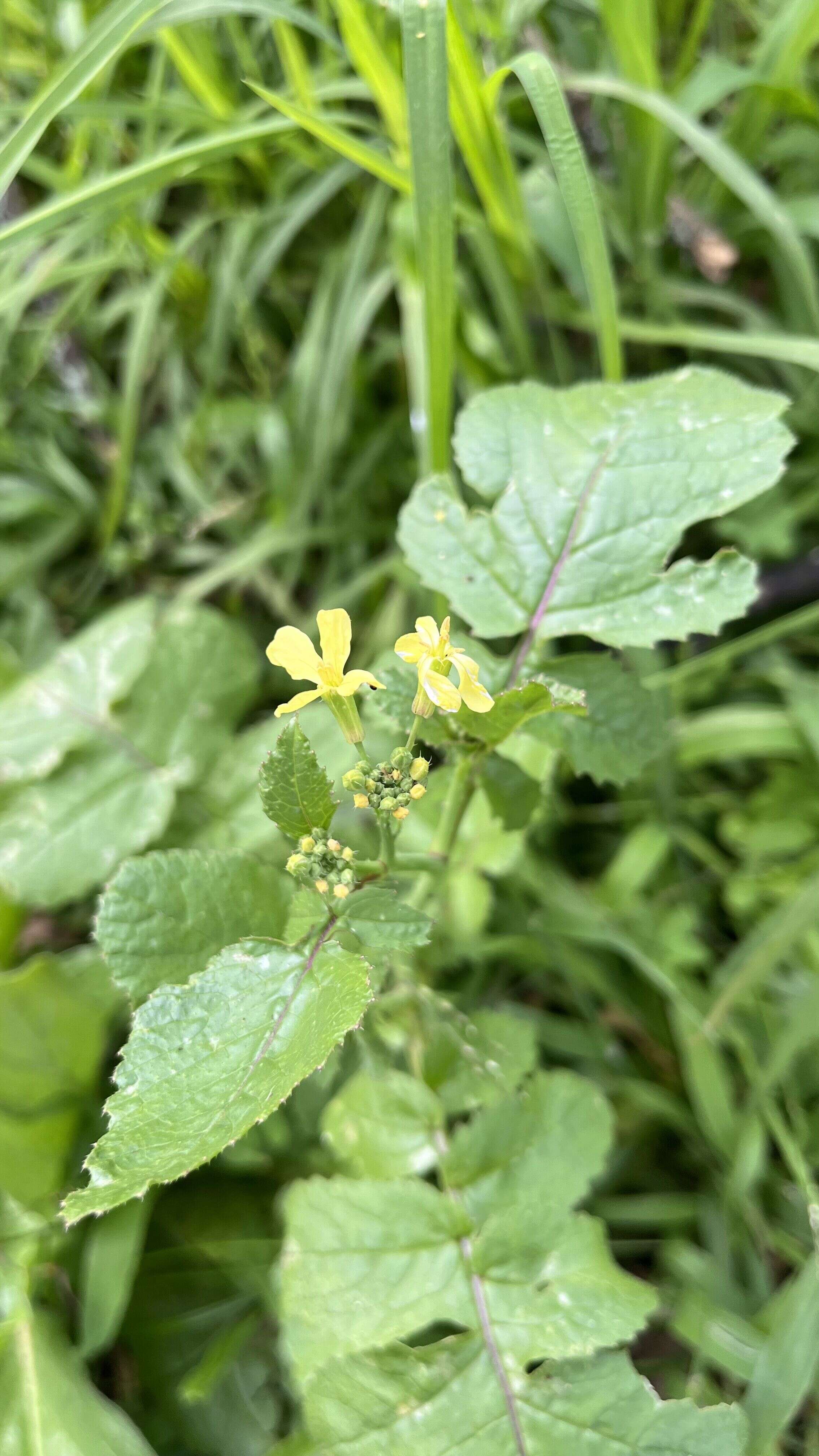
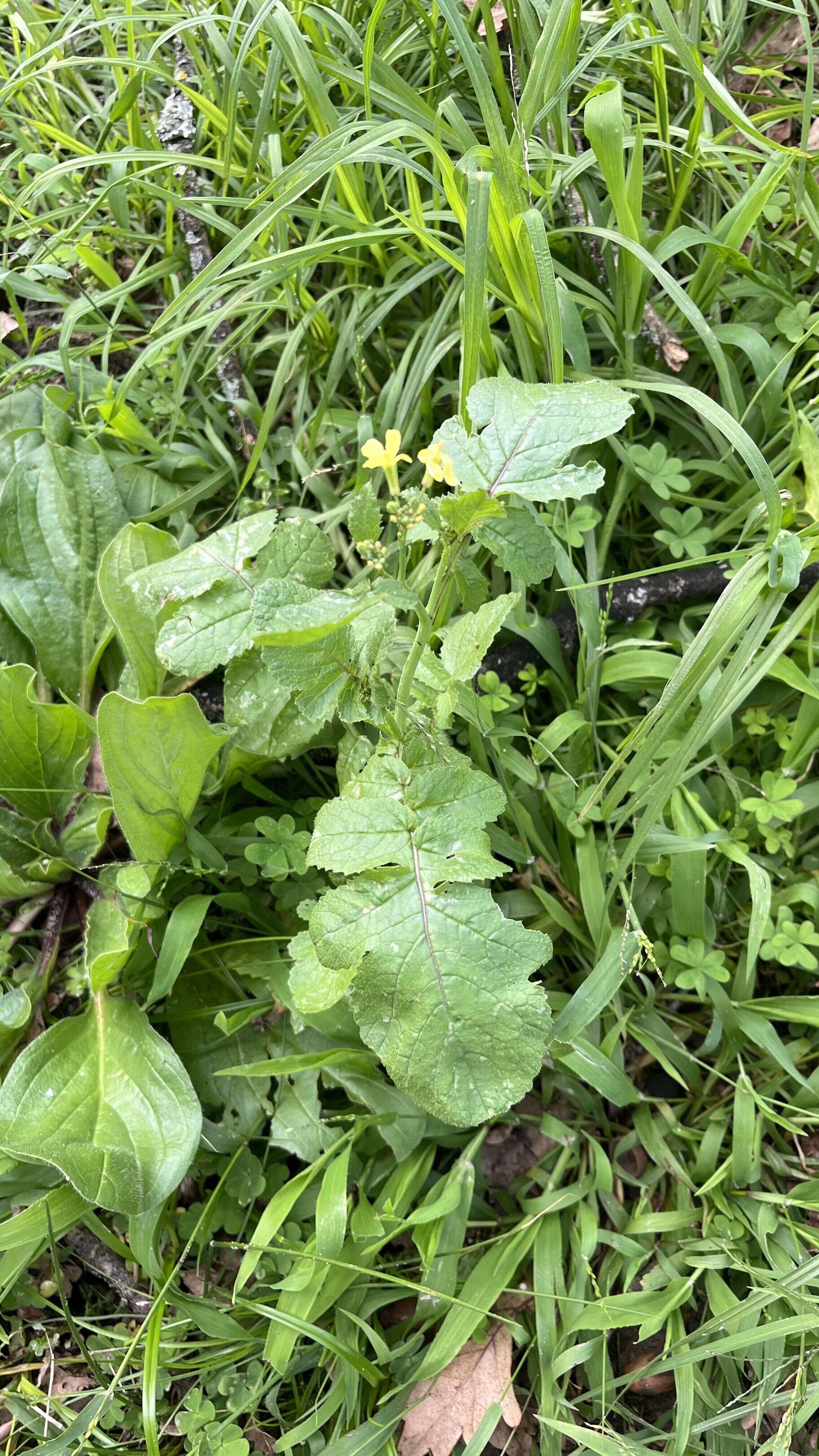
About: Wild Mustard is a fast-growing annual plant native to Eurasia that has naturalised across many regions, including South Africa. It is one of the oldest recorded weeds of agriculture but is also a useful wild edible. Despite being a weed in crops and pastures, it has long been foraged as a food and used in traditional remedies. Its peppery taste and resemblance to cultivated mustard have made it a valued plant in wild cuisine.
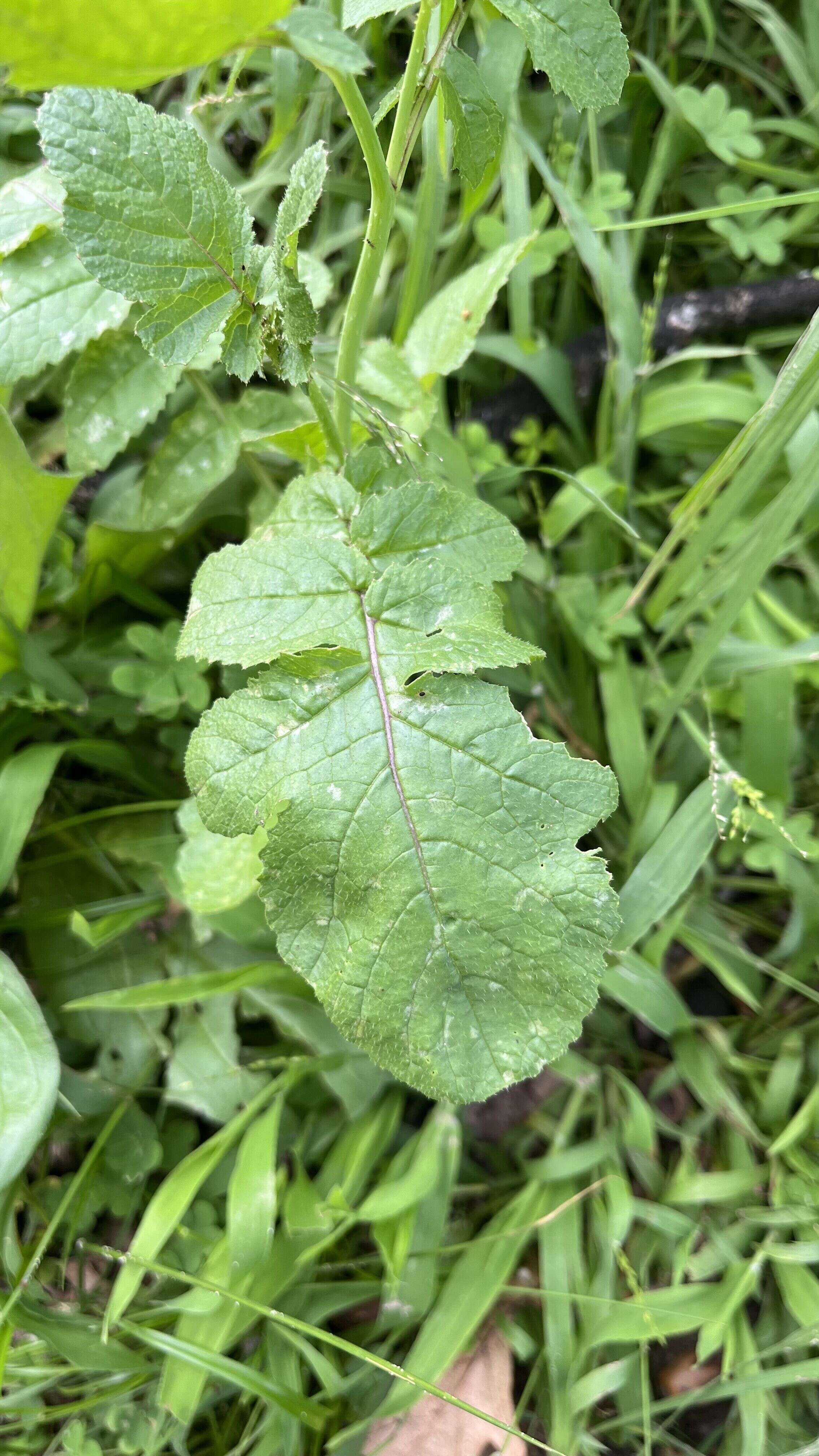
Identification: Wild Mustard grows up to 1 meter tall with bristly, upright stems and deeply lobed leaves that resemble turnip greens at the base and become smaller and more toothed higher up the stem. It produces bright yellow, four-petalled flowers in small clusters. The flowers give rise to long, slender seed pods that stick out from the stem. The entire plant has a slight mustard or cabbage-like scent, especially when crushed.
Habitat: It thrives in disturbed soils, especially in fields, roadsides, open grasslands, and along the edges of cultivated land. Wild Mustard prefers full sun and well-drained soils, and it is common in temperate areas with mild winters. In South Africa, it is especially visible in early spring, often forming yellow-flowered patches in farmlands and open areas.
Uses: Young leaves can be eaten raw in salads or cooked like spinach, though they become more bitter as the plant matures. The flowers are edible and can be used as a garnish, and the young seed pods have a spicy kick and can be pickled. The seeds can be ground into mustard or used in traditional spice mixes. Medicinally, it has been used to treat colds, joint pain, and digestive problems. However, it should be consumed in moderation due to glucosinolates that may irritate the stomach in large amounts.
Harvesting Tips: Harvest the young leaves in early spring before the plant flowers for the best taste. Use scissors or pinch off the tender parts to avoid damaging the plant. For flowers and pods, collect them just as they appear but before the seeds harden.
Fun Fact: Wild Mustard is considered one of the ancestor plants of many cultivated crops like broccoli, cabbage, and kale. It's part of the Brassicaceae family "supergroup" that humans have bred into many of the leafy greens and vegetables we eat today.