Land

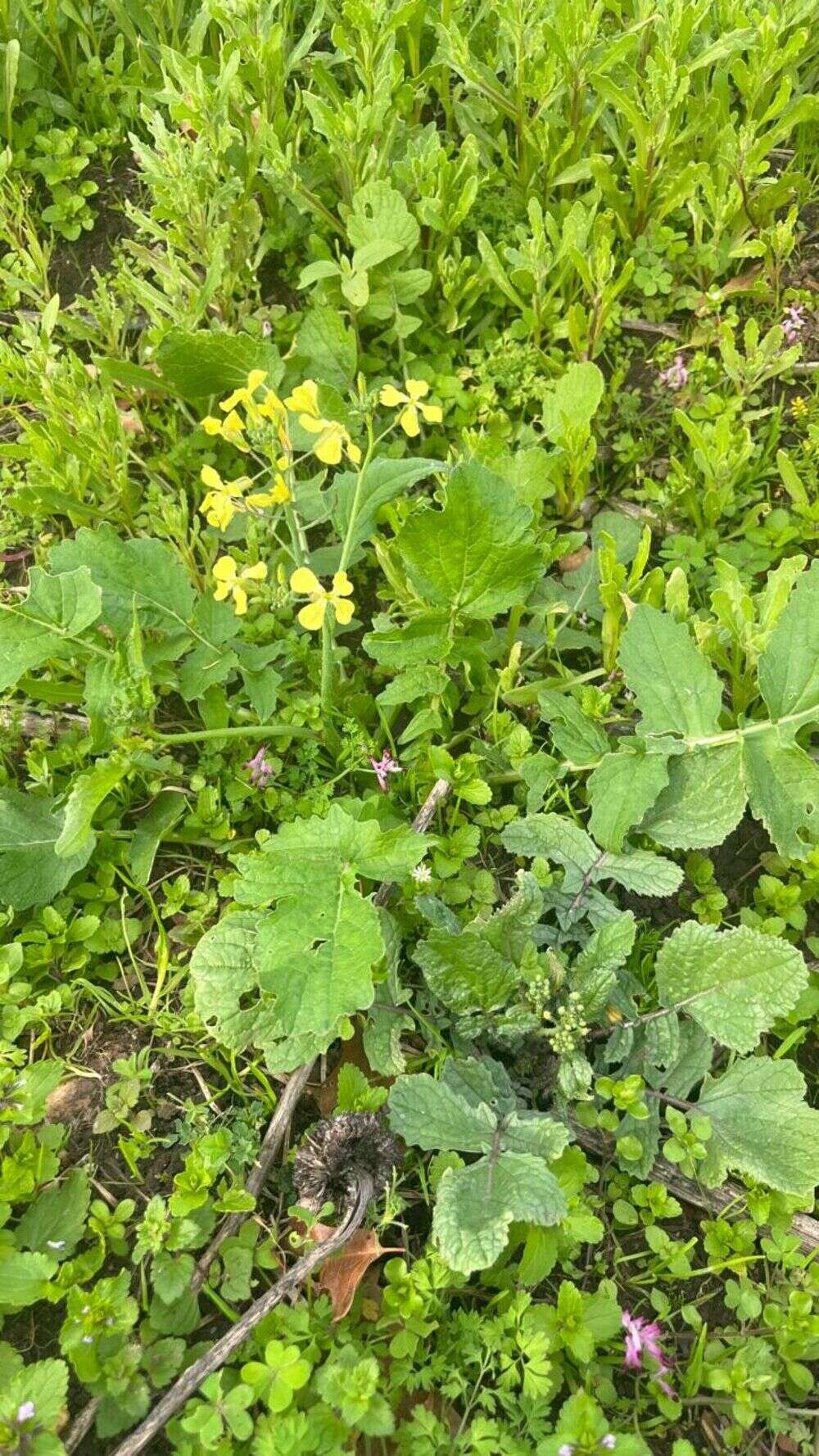
About: Wild radish is a weedy ancestor of the cultivated radish (Raphanus sativus). It grows in disturbed soils and farmlands and is known for its attractive, pale flowers and peppery leaves. The plant is fully edible when young, with a sharp, mustard-like flavour. Though often seen as an agricultural pest, wild radish is a nutritious wild green that has long been used in traditional diets.
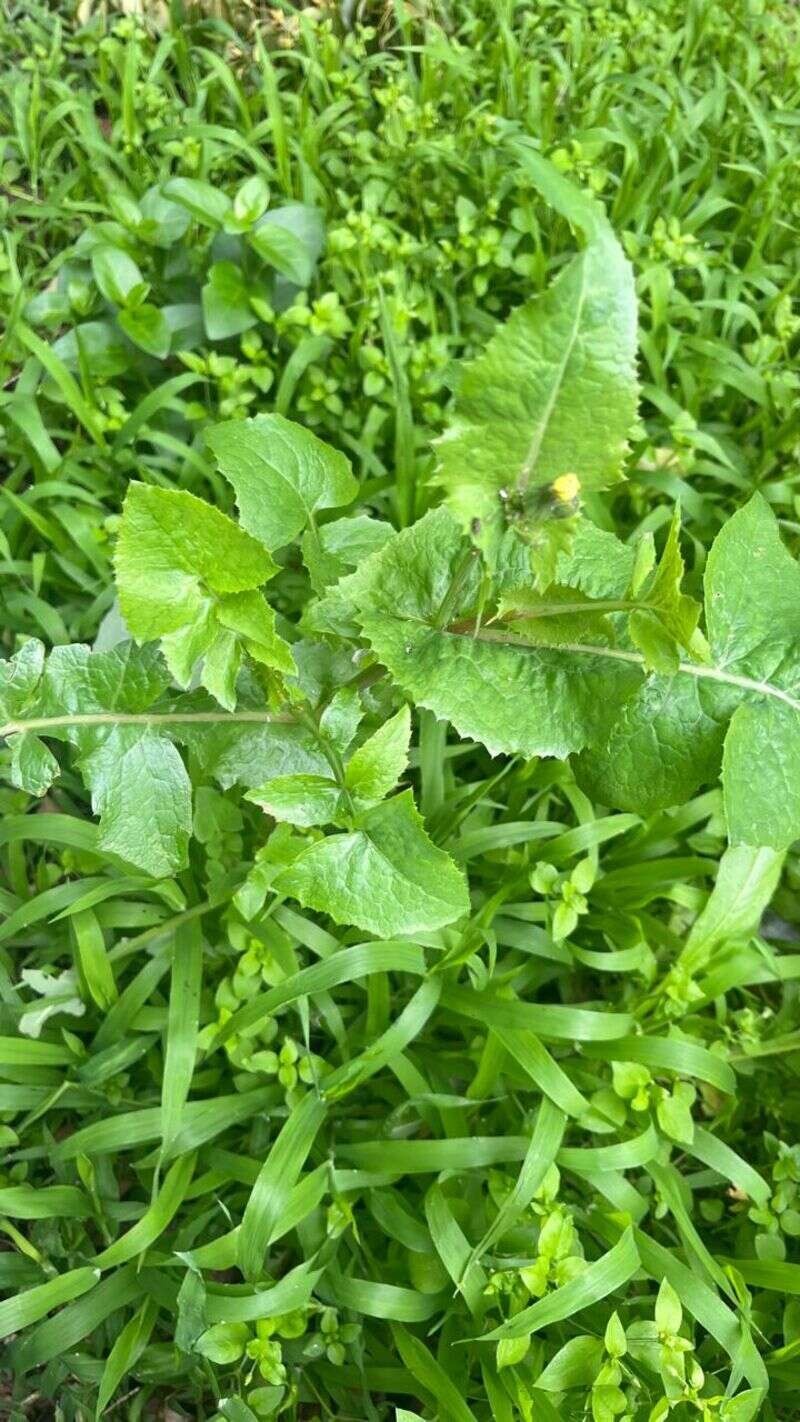
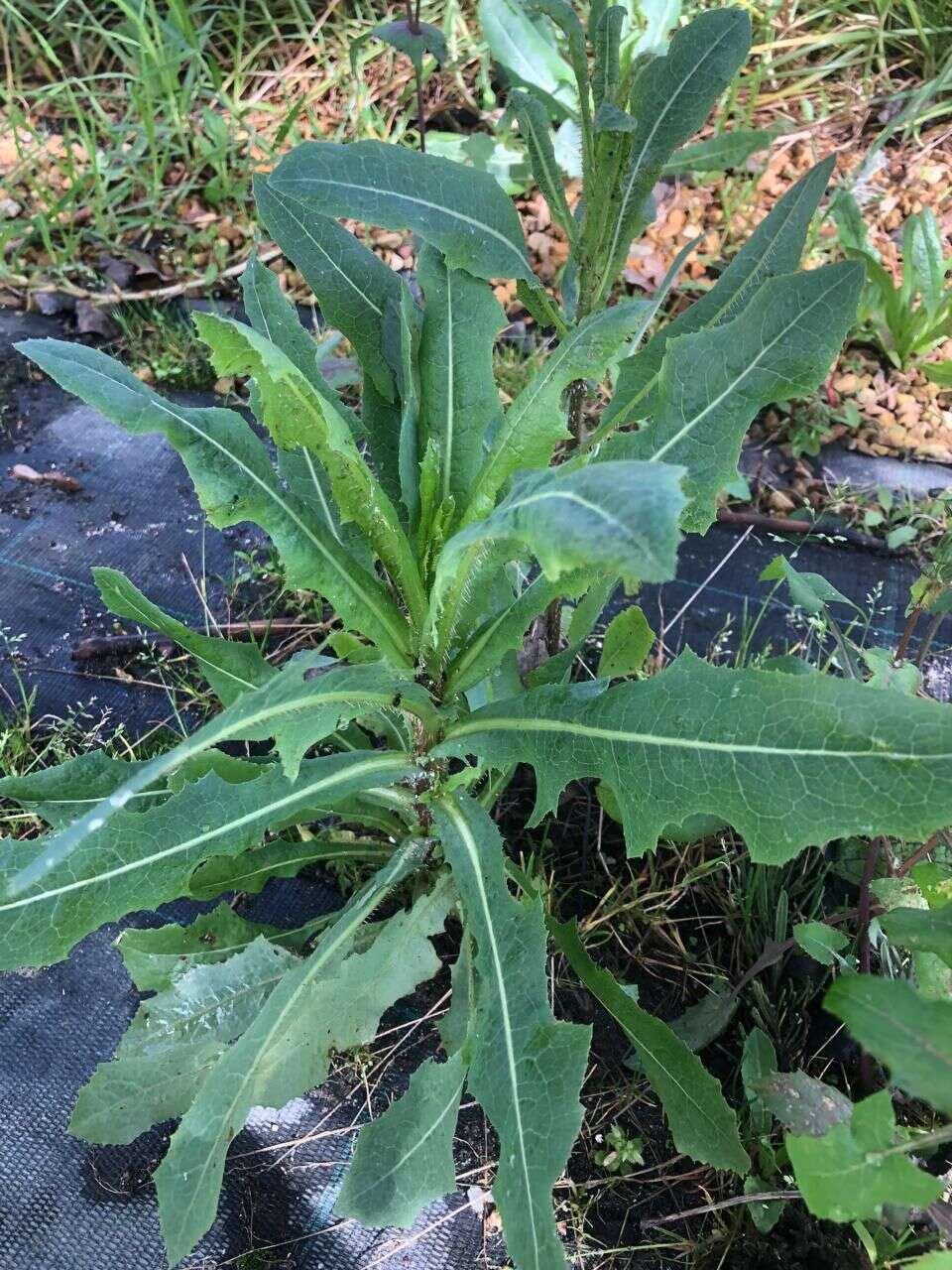
Identification: Wild Radish grows upright, reaching heights of 30 cm to 1 metre. It has deeply lobed, rough-textured leaves that may be toothed or wavy. The flowers vary in colour but are often pale yellow, white, or pinkish with dark veins, and have four petals arranged in a cross shape typical of the mustard family. The seed pods are long, slender, and jointed, which helps in identification. When crushed, the leaves or seeds give off a distinctive radish-like smell.
Habitat: Wild Radish is very adaptable and thrives in disturbed areas, farmland, roadsides, waste places, and gardens. It prefers full sun and well-drained soils and is widespread across South Africa, particularly in the Western Cape, Gauteng, and Eastern Cape. It germinates mainly in autumn and winter, often growing rapidly after rains.
Uses: The young leaves of Wild Radish are edible and can be cooked or eaten raw in salads, adding a peppery, mustard-like flavour. The flowers and seed pods are also edible and can be used as a garnish or in pickles. Traditional uses include consuming the leaves for their digestive benefits and mild stimulant effects.
Caution: Wild Radish contains compounds that can be bitter or irritant in large amounts, so it is best eaten in moderation and preferably cooked to reduce bitterness.
Harvesting Tips: Harvest the young, tender leaves and shoots before the plant flowers for the best taste and texture. Use clean scissors or pinch off with your fingers. Avoid harvesting older plants with tough, bitter leaves or seed pods that have dried. Always gather from unsprayed, clean environments to avoid contamination.
Rinse thoroughly before eating to remove dirt and insects.
Fun Fact: Wild radish is considered one of the most successful agricultural weeds in the world, yet it is fully edible and nutritious. Its flowers can vary in colour on the same plant, ranging from white to yellow to purple — making it easy to spot but harder to classify by flower colour alone.