Land


About: Pennywort (Centella asiatica) is a small, creeping, groundcover herb native to tropical and subtropical regions of Asia and parts of Africa. It is best known for its medicinal properties in traditional systems like Ayurveda and Traditional Chinese Medicine, and is also eaten as a leafy vegetable. It has adaptogenic, anti-inflammatory, and wound-healing properties and has been used for centuries to support memory, skin healing, and longevity.
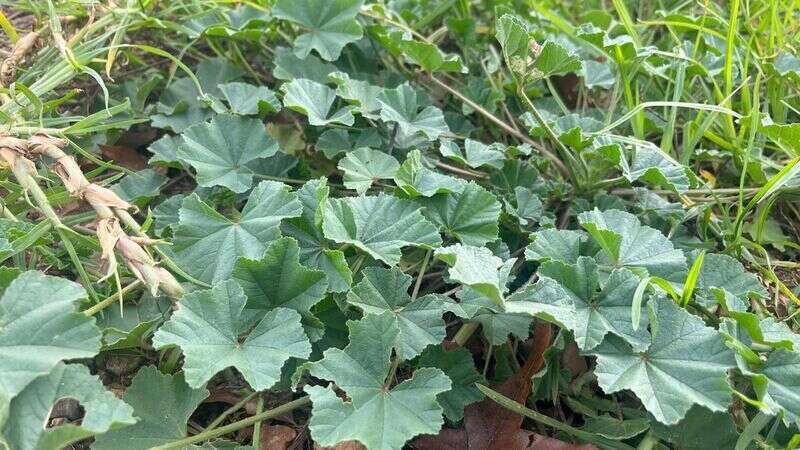
Identification: Pennywort has round to kidney-shaped leaves, usually with smooth or slightly scalloped edges. The leaves are attached to long stalks (petioles) and grow one per node along creeping runners. The leaf veins fan out from the base of the leaf, which is a useful ID feature. The plant forms a low mat close to the ground and may spread over large areas if conditions are moist. Tiny flowers, usually pinkish-white or light purple, grow in small clusters close to the ground and are often hard to spot.
Habitat: Pennywort prefers moist, shady or partly sunny environments such as stream banks, damp grasslands, marshes, forest edges, and gardens. In South Africa, it grows naturally in coastal and inland wet zones, especially where water collects seasonally or permanently. It thrives in subtropical to tropical climates but can also grow in pots or damp garden beds. It is sometimes found as a groundcover in urban and peri-urban green spaces.
Uses: Pennywort has a long history of use as a medicinal plant, especially for promoting memory, wound healing, skin health, and blood circulation. Traditionally, it has been used to treat inflammation, skin ulcers, minor wounds, anxiety, and fatigue. In culinary use, the fresh leaves are eaten raw or cooked. They can be added to salads, juices, or soups. In some parts of Asia, pennywort is blended into a green drink for daily health. It has a mild, slightly bitter taste with a green, earthy flavour. Pharmacologically, pennywort is known to contain triterpenoids (such as asiaticoside), which contribute to its skin-repairing and neuroprotective properties. However, while popular in traditional systems, it should be used cautiously and in moderate doses.
Harvesting Tips: Harvest pennywort by cutting the stems just above the base, leaving roots intact so the plant can regrow. Choose healthy, undamaged leaves that are not too old or leathery. Wash thoroughly before use, as it grows close to the ground and may be contaminated with soil or insects. It's best harvested in cool, moist weather, when the leaves are fresh and tender. Avoid over-harvesting from the wild — pennywort is slow-growing in dry conditions and plays a role in protecting soil from erosion in wetland ecosystems.
Fun Fact: The Afrikaans name "Waternavel" means "water navel," a reference to the navel-like shape of its round leaves and its preference for damp or watery environments. In traditional folklore, pennywort is sometimes called "the herb of longevity", and in Sri Lanka and India, it's said that elephants eat it to stay mentally sharp — a story that helped spread its reputation as a brain tonic.