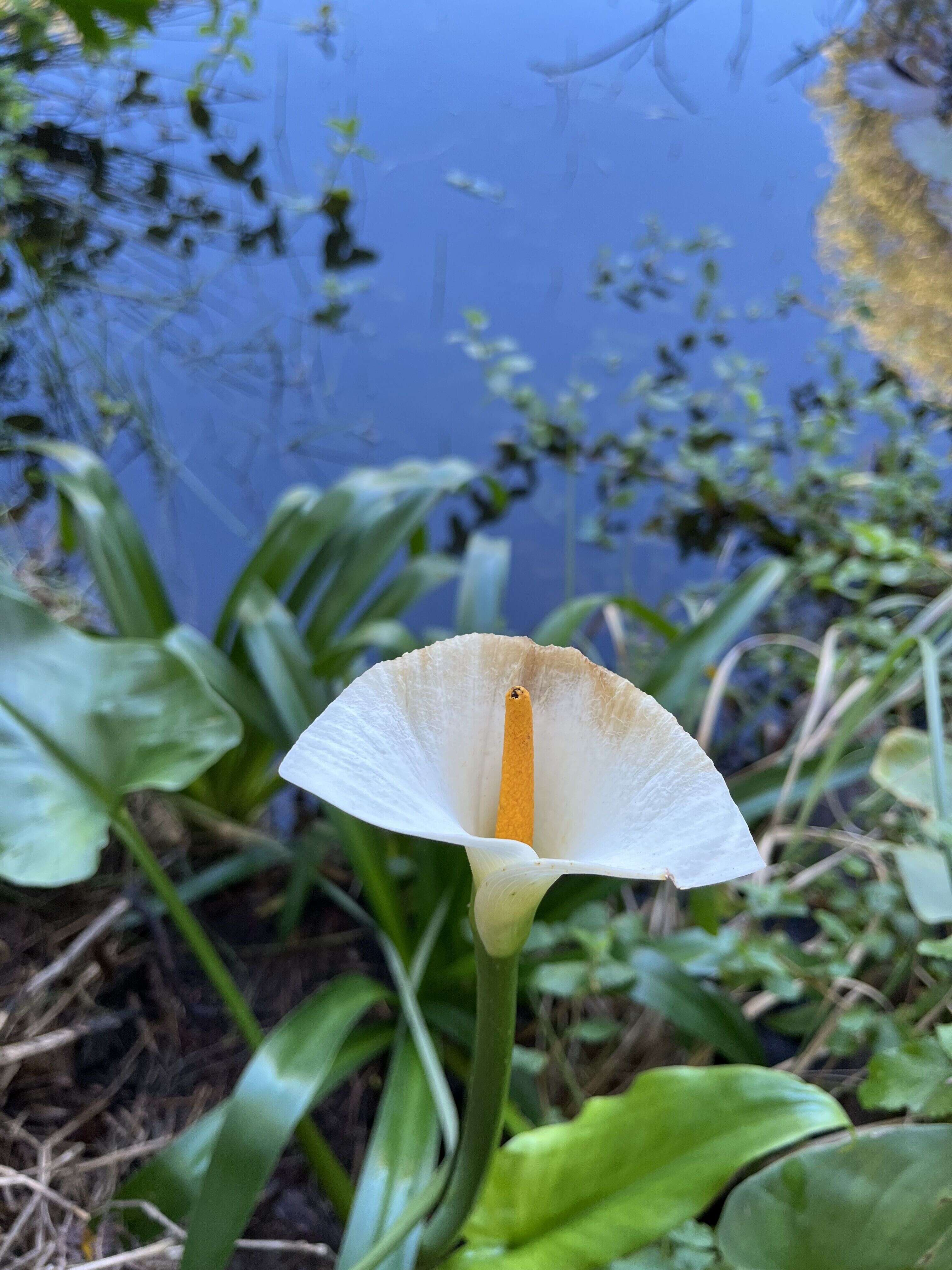
About: Varkoor, or the Common Arum Lily, is a striking perennial plant native to southern Africa. It features large, glossy arrow-shaped leaves and elegant funnel-shaped spathes in colors like white, yellow, pink, and red. While revered for its beauty as a cut or ornamental plant, it also plays a meaningful role in traditional African and early settler medicinal practices.
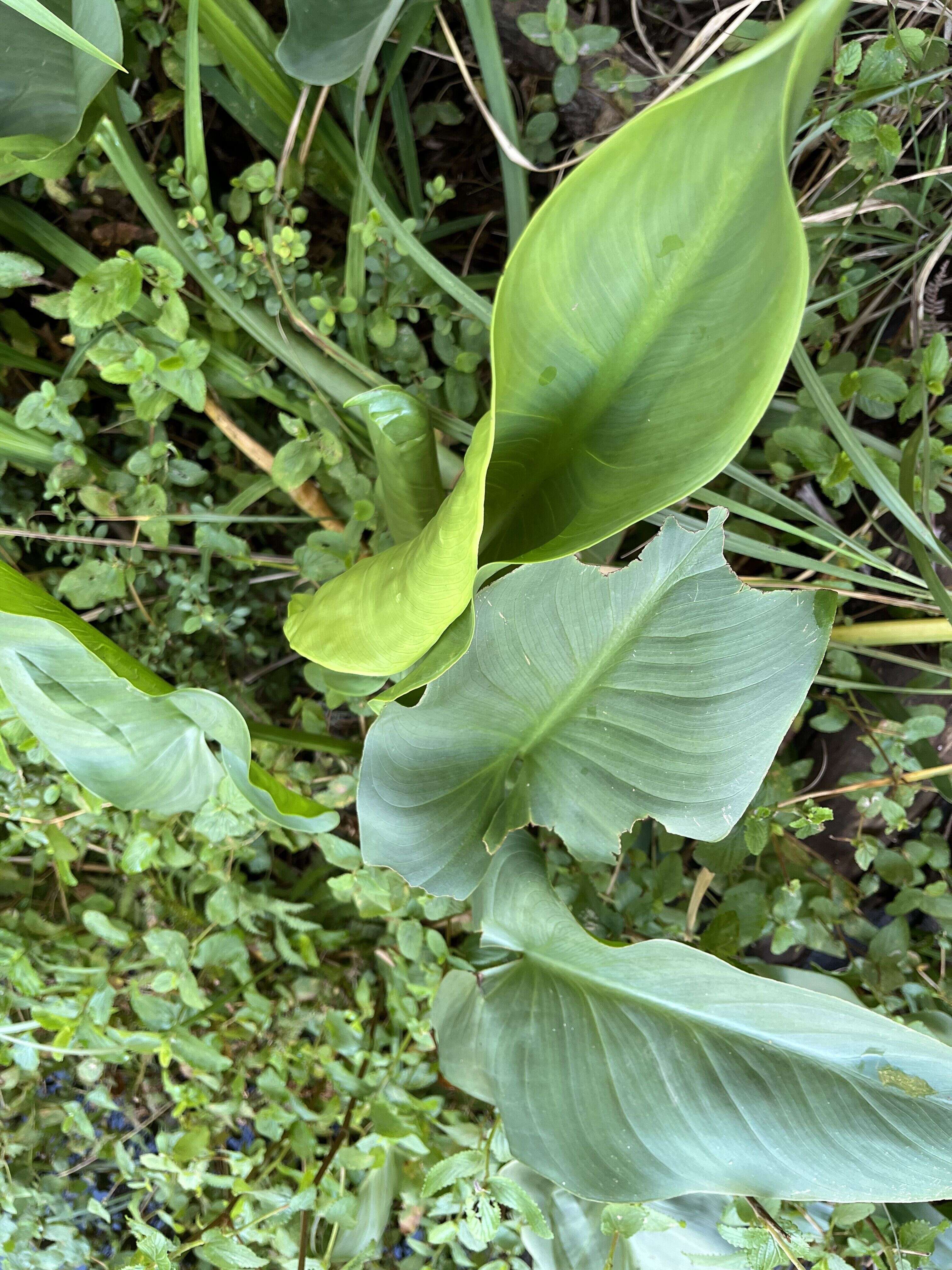
Identification: This plant grows from a thick, tuberous rhizome and stands 60–100 cm tall. The thick, arrow-like leaves are green and may reach up to 45 cm in length. The flowers are composed of a prominent, showy spathe surrounding a central spadix filled with tiny blooms. Its distinctive and ornate form has made it a popular garden plant.
Habitat: Arum Lillies thrive in wet, marshy areas, frequently found along rivers, pond edges, and in wetlands. It is native to South Africa, Lesotho, and Eswatini, and grows naturally across the wetter regions of the Western and Eastern Cape.
Medicinal Uses: Traditionally, Arum Lilly's leaves and warmed poultices have been used to treat skin ailments such as sores, boils, rheumatism, gout, and insect bites. A decoction derived from the plant has also been used by Zulu women to support healthy pregnancies and reduce the incidence of miscarriages.
History: The name “varkoor” (“pig-ear”) comes from early settler observations that the large leaves were sometimes fed to pigs. In addition to culinary experimentation—where leaves and tubers were cooked as vegetable and starch sources—the plant gained medicinal value in local herbal customs. Carefully prepared, it was incorporated into treatments for external skin issues and reproductive health. Over time, its role expanded into gardens as both a functional and ornamental species.