Land
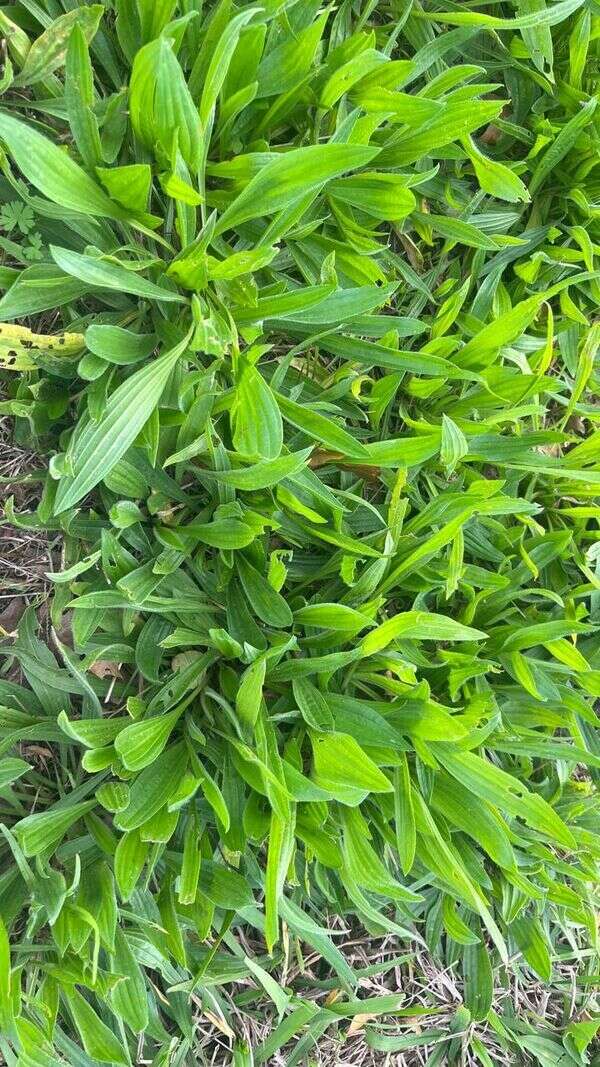


About: Ribwort (Plantago lanceolata) is a hardy perennial herb native to Europe and parts of Asia but now found all over the world, including Southern Africa. It's a wild edible and medicinal plant, commonly considered a weed in lawns, fields, and roadsides. Despite its weedy status, ribwort has a long history of use in traditional medicine, particularly for respiratory and skin conditions, and its leaves are also edible when young.
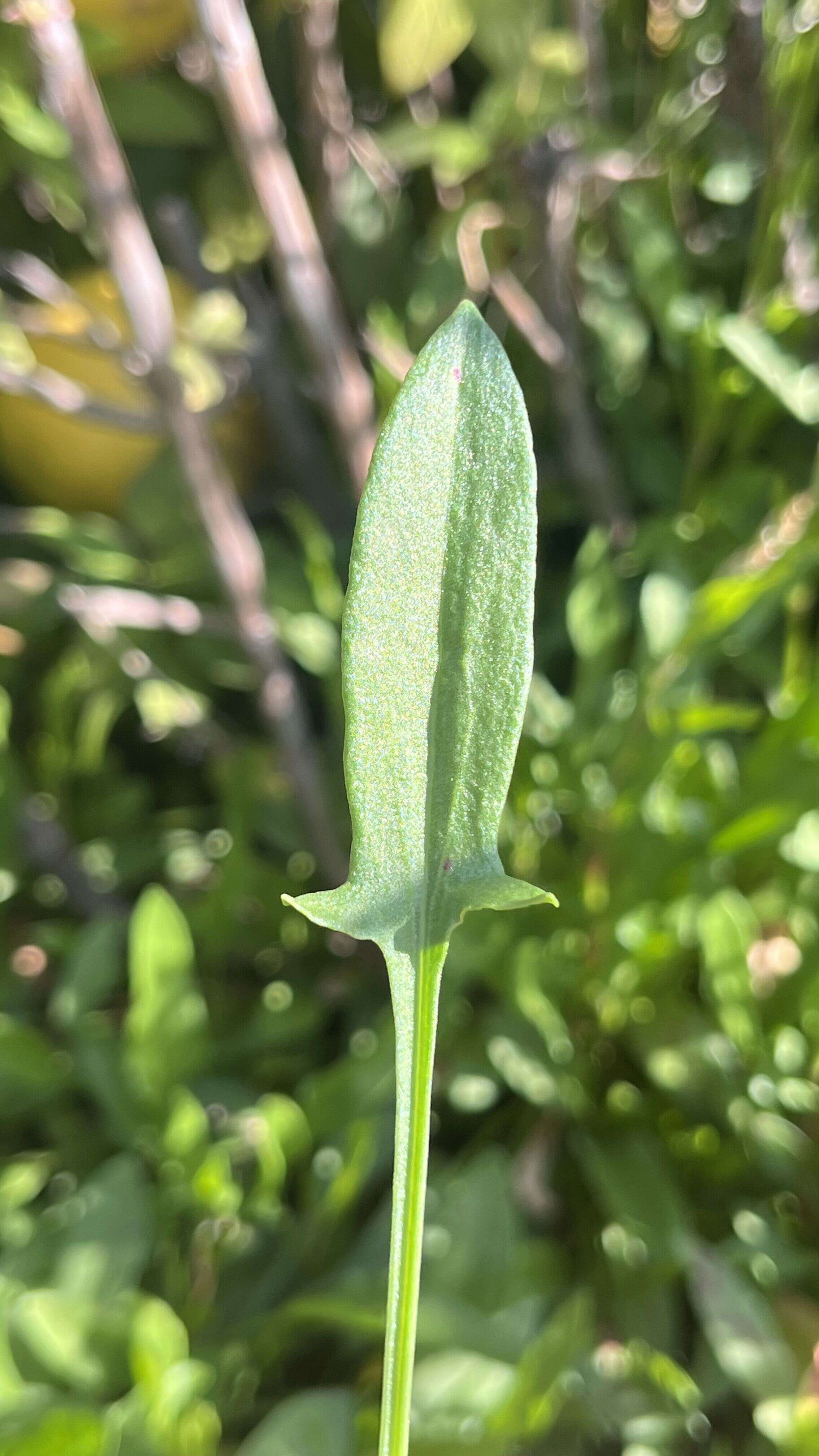
Identification: Ribwort has narrow, lance-shaped leaves with 3 to 7 prominent parallel ribs running the length of the leaf. These leaves grow in a basal rosette, close to the ground. The plant sends up tall, leafless stalks topped with a small, compact, brown flower head surrounded by tiny white stamens that give it a slightly fuzzy appearance. The leaves are soft and flexible when young, becoming tougher with age.
Habitat: Ribwort is highly adaptable and thrives in lawns, pastures, roadsides, garden edges, fields, and dry or compacted soils. It prefers full sun to partial shade and is found widely across South Africa, particularly in the Western Cape, Eastern Cape, and Gauteng, but is not restricted to these areas. It is a common sight year-round but is especially vigorous in spring and autumn after rains.
Uses: Ribwort is widely used in herbal medicine for treating coughs, sore throats, bronchitis, wounds, insect bites, and digestive inflammation. The leaves are demulcent (soothing), anti-inflammatory, antimicrobial, and mildly astringent.
For coughs and throat irritation, an infusion of the leaves (used as a tea or gargle) is a popular remedy. The fresh leaf can also be crushed or chewed and applied to insect stings, cuts, or burns to relieve pain and draw out toxins. In some communities, the leaf is chewed for mouth sores or used as an eyewash after steeping.
Although not widely eaten as a vegetable due to its fibrous texture, young leaves can be added to soups, broths, or green smoothies, where they provide vitamin C and mucilage, helpful for gut health.
Harvesting Tips: Harvest young, tender leaves in spring or early summer before the plant flowers, as older leaves become tough and stringy. Use scissors or pinch off the leaves at the base. If drying for tea or storage, harvest on a dry morning and air-dry in a well-ventilated place out of direct sunlight. Avoid plants near roads or sprayed areas. For first aid use, pick fresh leaves on the spot, clean gently, and apply directly.
Fun Fact: Ribwort is known as a "traveller's bandage" — its fresh leaves can be crushed and stuck directly onto a wound or sting, acting as a natural antiseptic and plaster in emergencies. In medieval Europe, it was considered one of the "nine sacred herbs" used in healing rituals.