Land


About: Dock is a group of leafy plants that grow like weeds in many parts of the world — but they're surprisingly useful! While some species have bitter leaves, young dock leaves are edible and rich in vitamin C, iron, and antioxidants. The roots of some species, like yellow dock, have also been used in traditional herbal medicine for digestion and skin health.
Dock is related to sorrel, and many species have a lemony or sour taste due to oxalic acid.
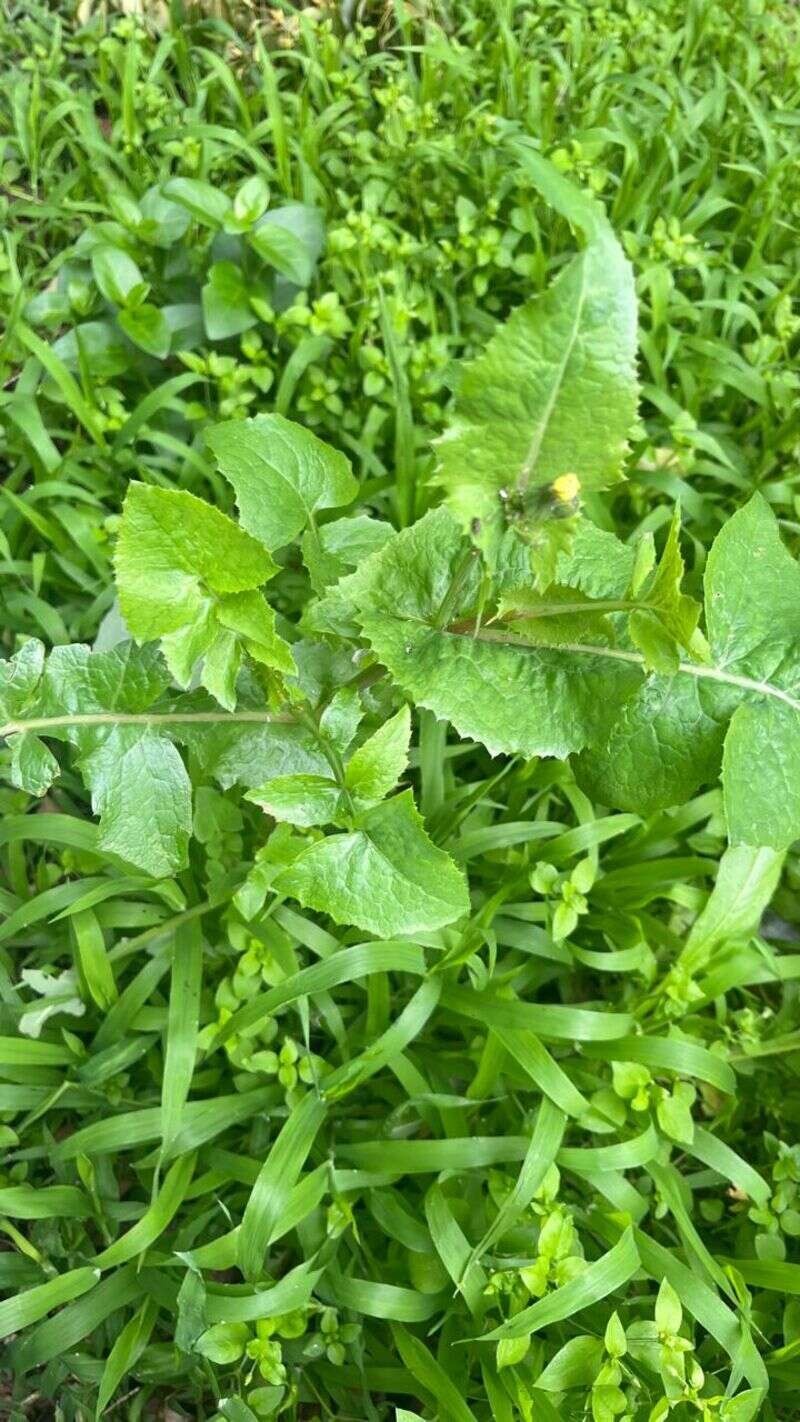
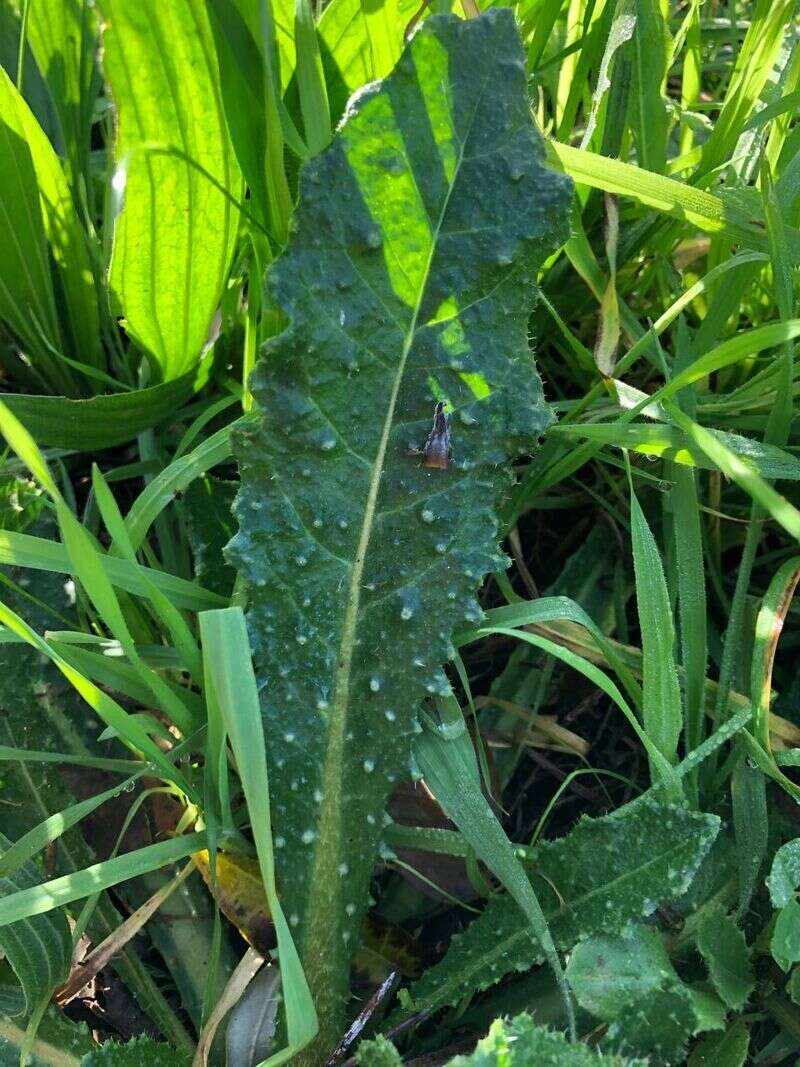
Identification: Leaves: Long, lance-shaped or broad leaves with wavy or curled edges (depending on species). They grow from a rosette at the base. Some Dock plants have large, broad leaves that are usually oval or lance-shaped, often with wavy or curled edges. The leaves can be quite large, sometimes reaching over 30 cm long. They grow from a rosette at the base, with tall flowering stems that bear clusters of small reddish-green flowers. The plant produces distinctive triangular seeds enclosed in papery coverings. The leaves are typically smooth and thick.
Habitat: Dock thrives in disturbed soils, roadsides, fields, gardens, and pasturelands. It prefers moist, fertile soils but is highly adaptable to various soil types and conditions. Dock is widespread across South Africa, especially in temperate regions, and often grows where the soil has been disturbed or compacted.
Uses: Young dock leaves can be eaten cooked like spinach, though older leaves are tougher and more bitter. Traditionally, dock leaves have been used as a natural remedy to neutralize the sting of nettles by rubbing the leaf on affected skin. Dock also has mild laxative properties and has been used in folk medicine to support digestion.
Harvesting Tips: Harvest young dock leaves in spring or early summer before they become tough and bitter. Use clean scissors or knives to cut leaves close to the base, leaving the plant to regrow. Avoid harvesting from polluted areas or where herbicides have been used. Wash leaves thoroughly before eating or cooking.
Fun Fact: The seeds of dock are edible too! They can be toasted or ground into flour, although it takes patience to collect enough. Also, dock seeds stay on the plant long into winter — making them a survival food for birds and foragers alike.