Land

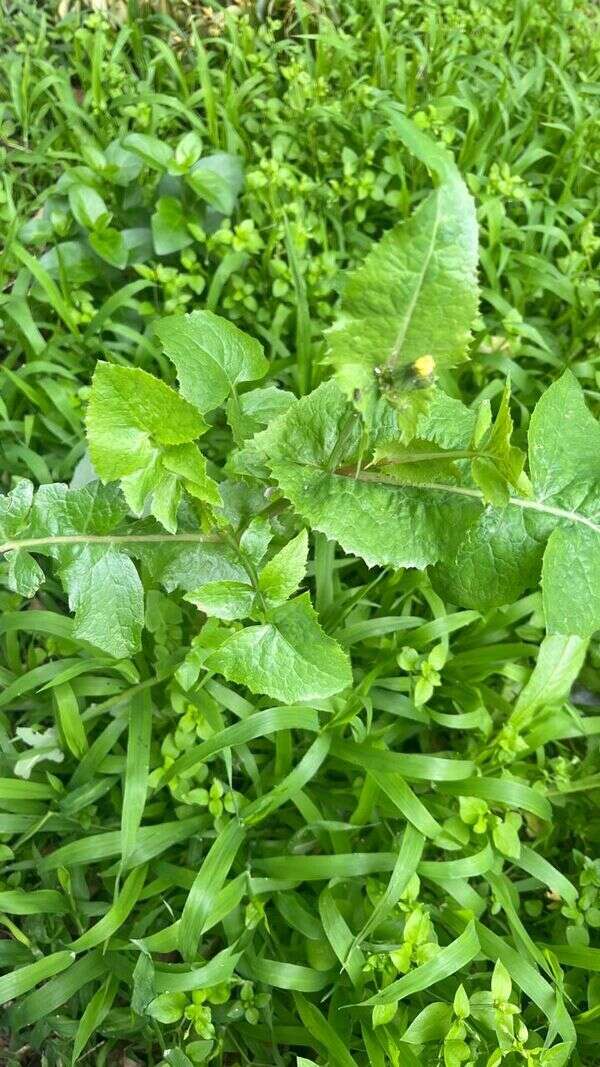

About: Sow thistle is a fast-growing annual herb native to Europe, now common across South Africa and around the world. It is often dismissed as a weed but has long been used as a leafy green and in traditional medicine. It belongs to the same family as dandelions and sunflowers and exudes a milky sap when cut — hence the name "sow thistle." It's edible, nutritious, and an excellent foraging plant.
Identification: Sow Thistle grows up to 1.5 metres tall, with hollow stems that exude a milky white sap when broken. The leaves are soft, light green, and deeply lobed, with triangular, slightly spiny lobes that clasp the stem in an alternating pattern. Unlike true thistles, the leaf edges are not sharp to the touch. The flower heads are bright yellow and resemble dandelions, but are smaller and grow in loose clusters. After flowering, they form fluffy white seed heads that disperse in the wind.
Habitat: Sow Thistle is highly adaptable and grows in a wide range of habitats, including gardens, roadsides, abandoned lots, fields, compost heaps, and disturbed soils. It prefers full sun but will also tolerate partial shade. In South Africa, it is common throughout urban, peri-urban, and rural areas, especially during spring and summer, when it germinates rapidly after rain.
Uses: The young leaves and stems of Sow Thistle are edible and can be steamed, sautéed, or added to soups and stews. The taste is similar to spinach but slightly bitter, especially in older plants. The leaves are rich in vitamin C, iron, and calcium.
In traditional medicine, Sow Thistle has been used for its mild laxative, diuretic, and anti-inflammatory properties. It was also used to stimulate digestion and relieve urinary tract issues. Poultices made from the leaves were applied to skin irritations or wounds.
Caution: Due to its latex (milky sap), some people with latex allergies may experience skin irritation. Always test a small amount first if unsure.
Harvesting Tips: Harvest Sow Thistle when the plants are young and tender, before they flower. The young basal leaves are the most tender and least bitter. Use clean scissors or pinch the leaves by hand. Avoid older plants with tough stems or milky sap that becomes sticky. Always harvest from clean, unsprayed areas, as this plant often grows in urban or roadside environments.
Rinse thoroughly before cooking to remove dust, insects, or soil.
Fun Fact: The Afrikaans name "Melkdistel" means "milk thistle," referring to the milky latex the plant releases when cut. Although unrelated to the true Milk Thistle (Silybum marianum), Sow Thistle shares a similar resilience and ability to grow in poor soils. In the past, young leaves were fed to pigs (sows)—hence the English name "sow thistle."