Land


About: Chickweed (Stellaria media) is an annual plant in the Caryophyllaceae family. It's characterized by its small, white flowers and opposite leaves. The plant has a long history of use as both food and medicine.
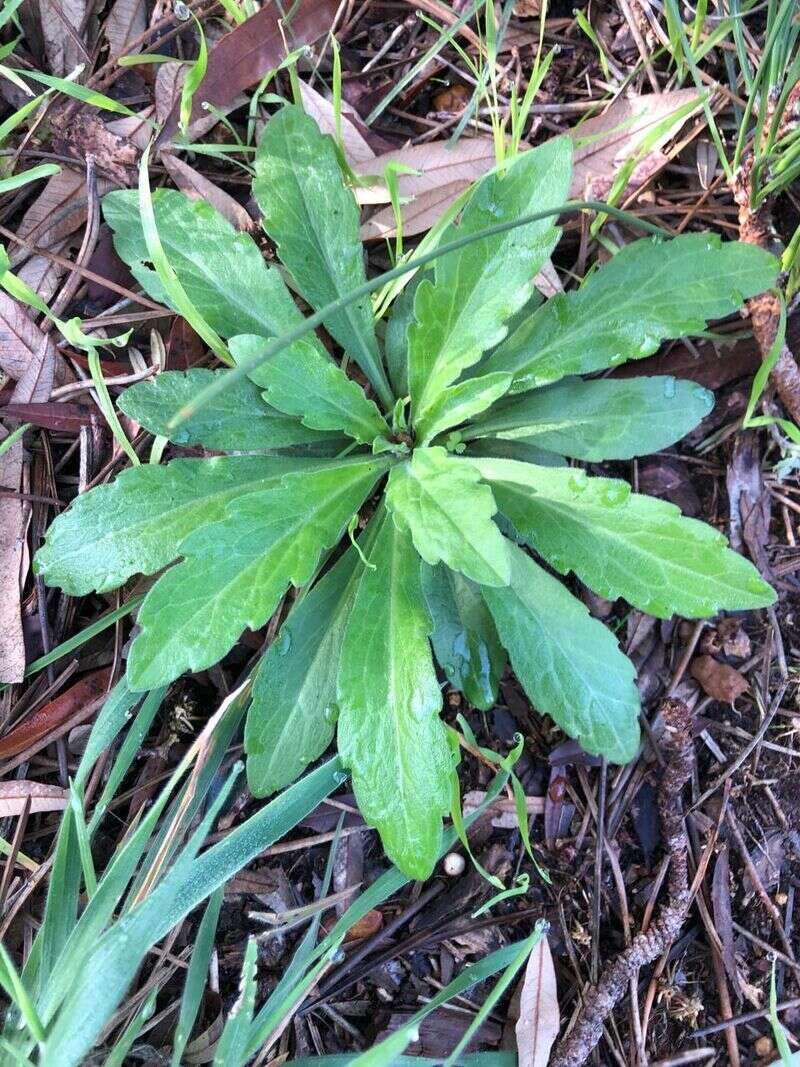
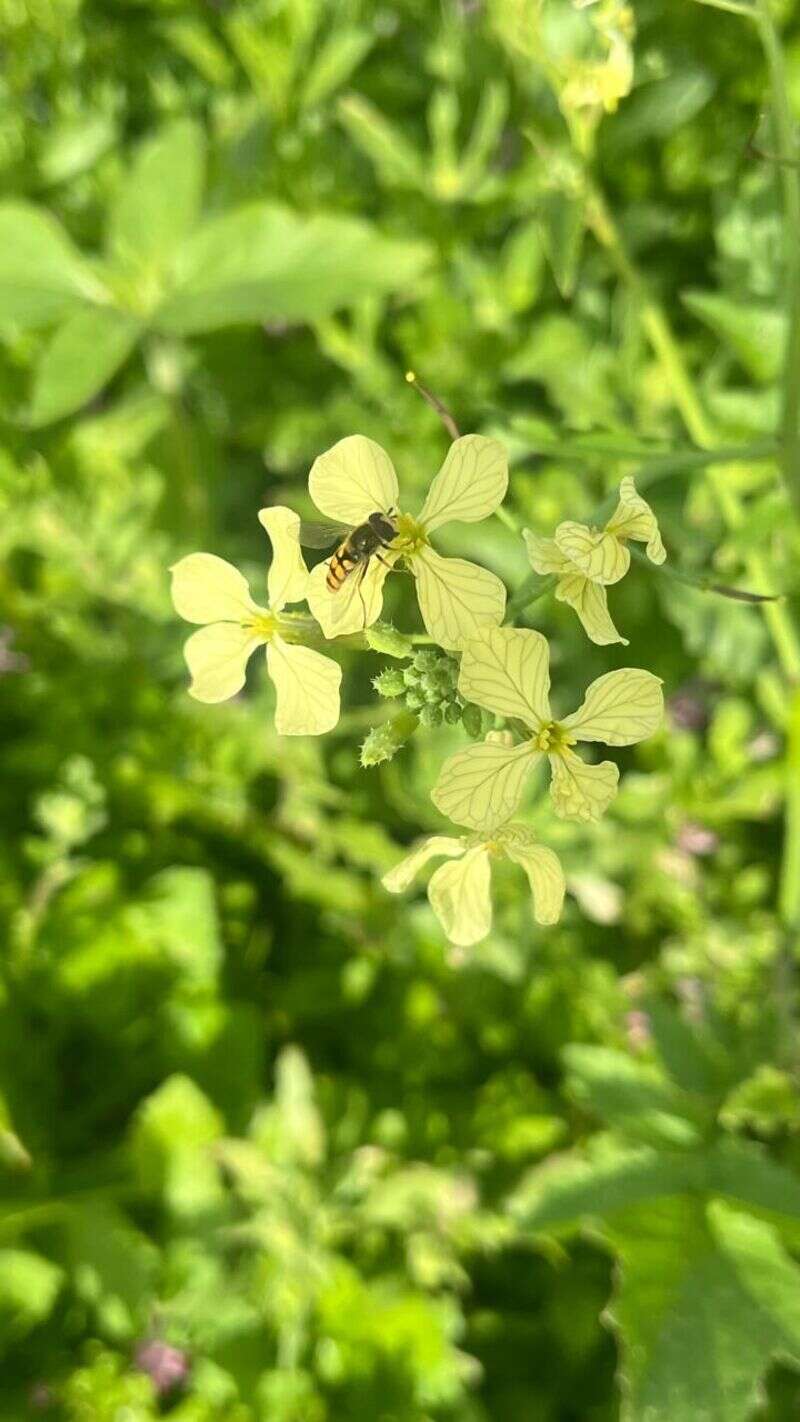
Identification: Chickweed has small, oval, bright green leaves arranged in pairs along thin, delicate stems. One key identification feature is that the stem appears to be single but actually has a line of fine hairs running along one side. It produces tiny white flowers with five deeply notched petals, often appearing as ten petals. The plant spreads rapidly and forms dense mats close to the ground.
Habitat: Chickweed prefers cool, moist, shaded to partly sunny places such as gardens, lawns, fields, and roadsides. It grows best in rich, moist soils and often appears in areas where the soil has been disturbed. In South Africa, it is common in temperate regions and during the cooler months.
Uses: Chickweed is edible and highly nutritious, containing vitamins A, C, and minerals like iron and calcium. The young leaves and shoots can be eaten raw in salads or lightly cooked like spinach. Medicinally, chickweed has been used as a soothing poultice for skin conditions such as eczema, rashes, and minor wounds. It also has mild anti-inflammatory and diuretic properties when taken as a tea.
Harvesting Tips: Harvest chickweed by snipping the fresh, tender stems and leaves from clean, pesticide-free areas. It is best gathered when young and before flowering for the most tender texture. Wash thoroughly to remove soil and insects. Use promptly as it wilts quickly, or store wrapped in a damp cloth in the refrigerator for a short time.
Fun Fact: Chickweed is sometimes called "starwort" because of its star-like flowers, which have five deeply divided petals that appear as ten!