Land


About: Chicory is a hardy perennial herb that has been grown for centuries both as a cultivated vegetable and a wild-growing plant. It is widely known for its deep taproot, which is often roasted and ground as a coffee substitute, and for its leaves, which are eaten fresh or cooked. While valued for its uses, chicory is also considered a weed in some regions due to its vigorous growth and persistence in pastures and along roadsides.
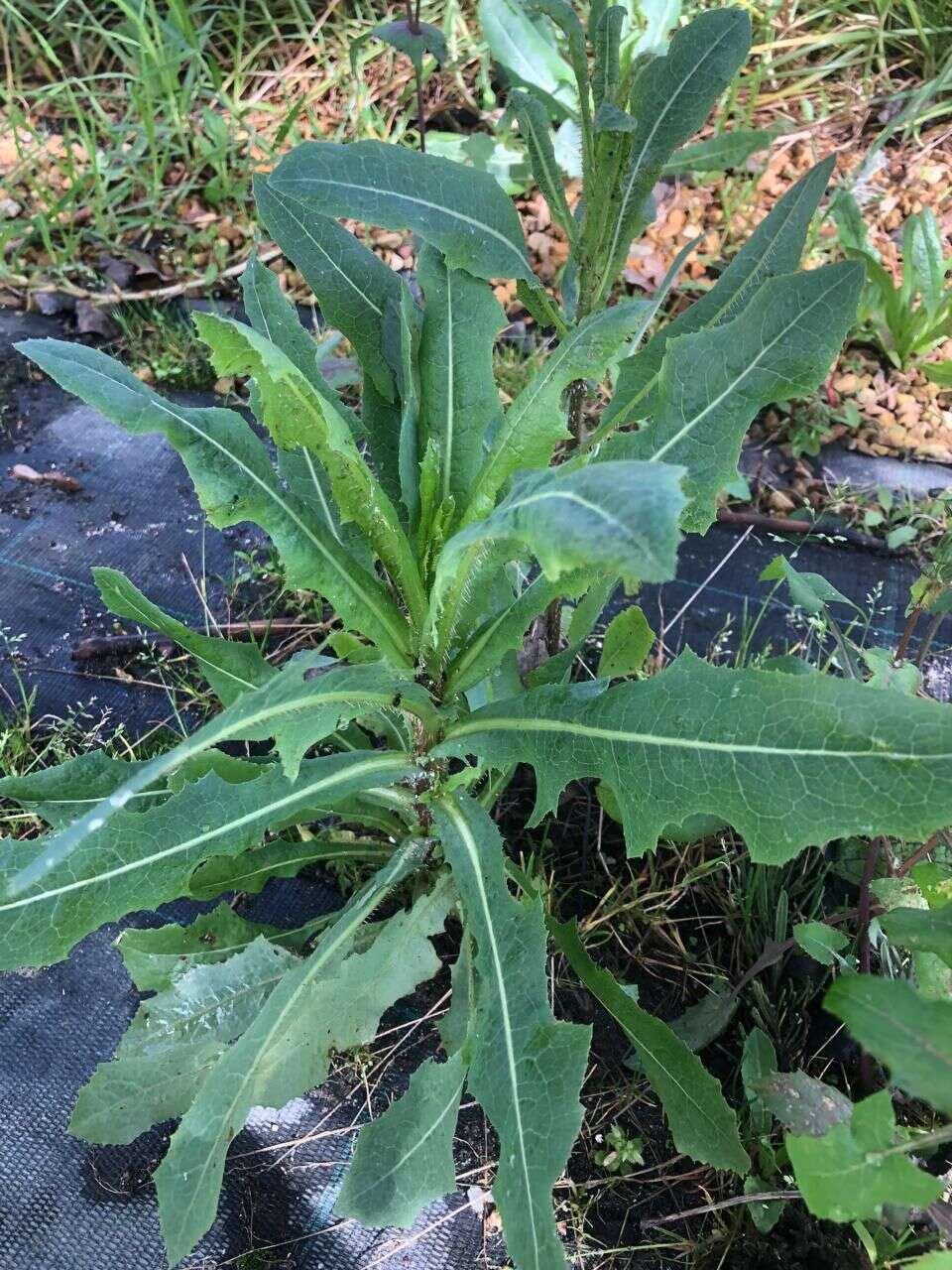
Identification: Chicory typically grows up to 1–1.5 metres tall. It has bright blue, daisy-like flowers with numerous fine petals and appears on stiff, upright branching stems. The leaves at the base resemble those of dandelions—deeply toothed and hairy—while the upper leaves are smaller and clasp the stem. It has a thick, white taproot that penetrates deeply into the soil.
Habitat: Chicory thrives in sunny, open areas such as roadsides, pastures, fallow fields, and disturbed ground. It grows well in a variety of soils, particularly well-drained, alkaline or neutral soils. In South Africa, chicory is common in temperate regions, both as a cultivated crop and as a weed in agricultural areas.
Uses: Chicory is used both culinarily and medicinally. The leaves (especially the young ones) can be eaten raw in salads or cooked as greens. The roots are famous for being roasted and ground as a coffee substitute or extender—a practice especially common in Europe and parts of South Africa. Medicinally, chicory has been used as a liver tonic, digestive aid, and mild laxative.
Harvesting Tips: For leaf use, harvest young leaves in spring or early summer before they become bitter. Roots should be harvested in autumn, when their energy is stored underground. To prepare roots for coffee, wash, chop, dry, and roast them before grinding. Only harvest from pesticide-free areas and avoid plants too close to roads or industrial sites.
Fun Fact: The Afrikaans name "Sigorei" comes from the Dutch word "cichorei," showing its long history of use in both wild and cultivated forms. During times of coffee shortages in Europe (especially during wars), chicory root coffee became a household staple—and it's still popular in places like New Orleans, USA.