Land
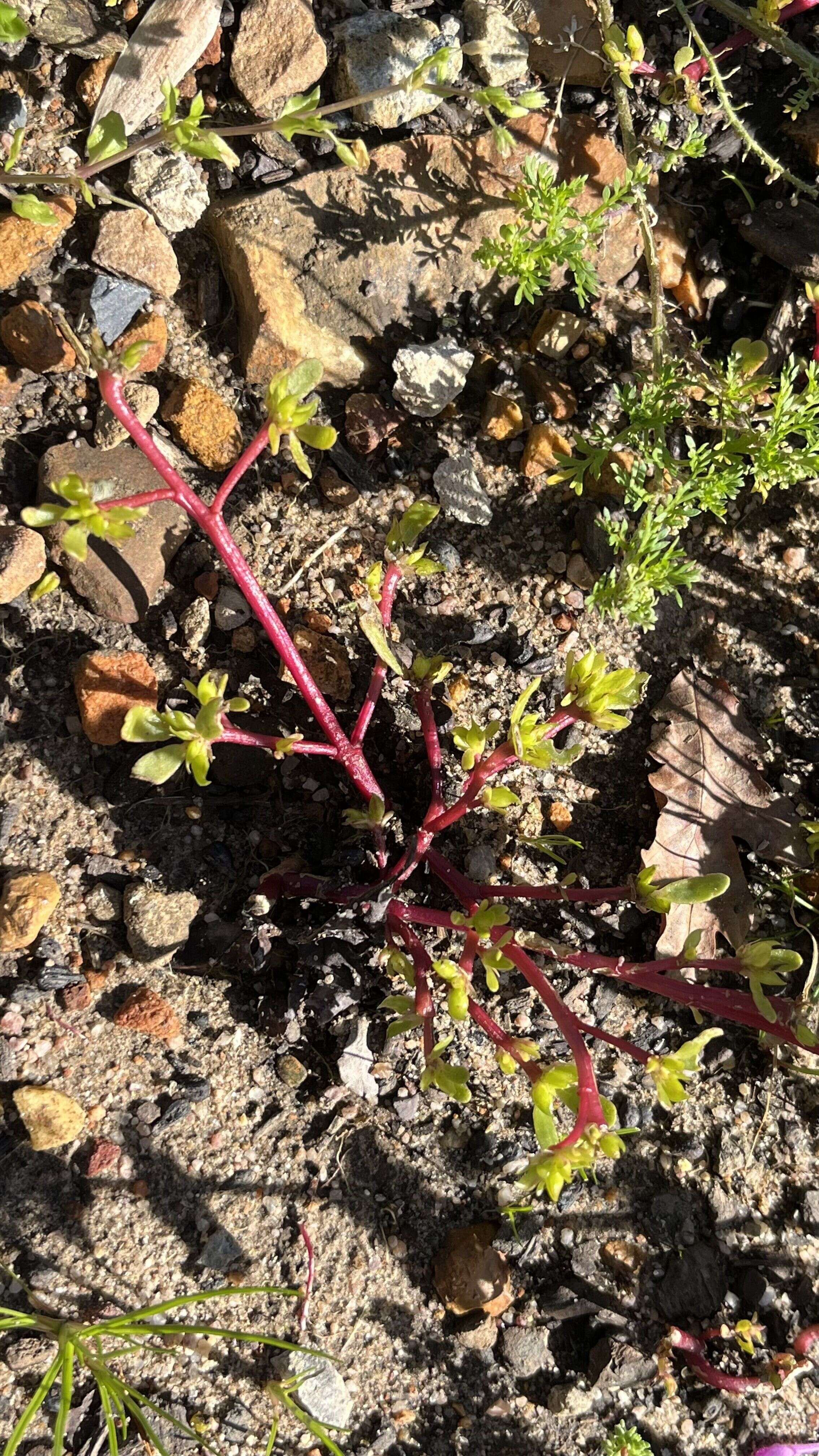
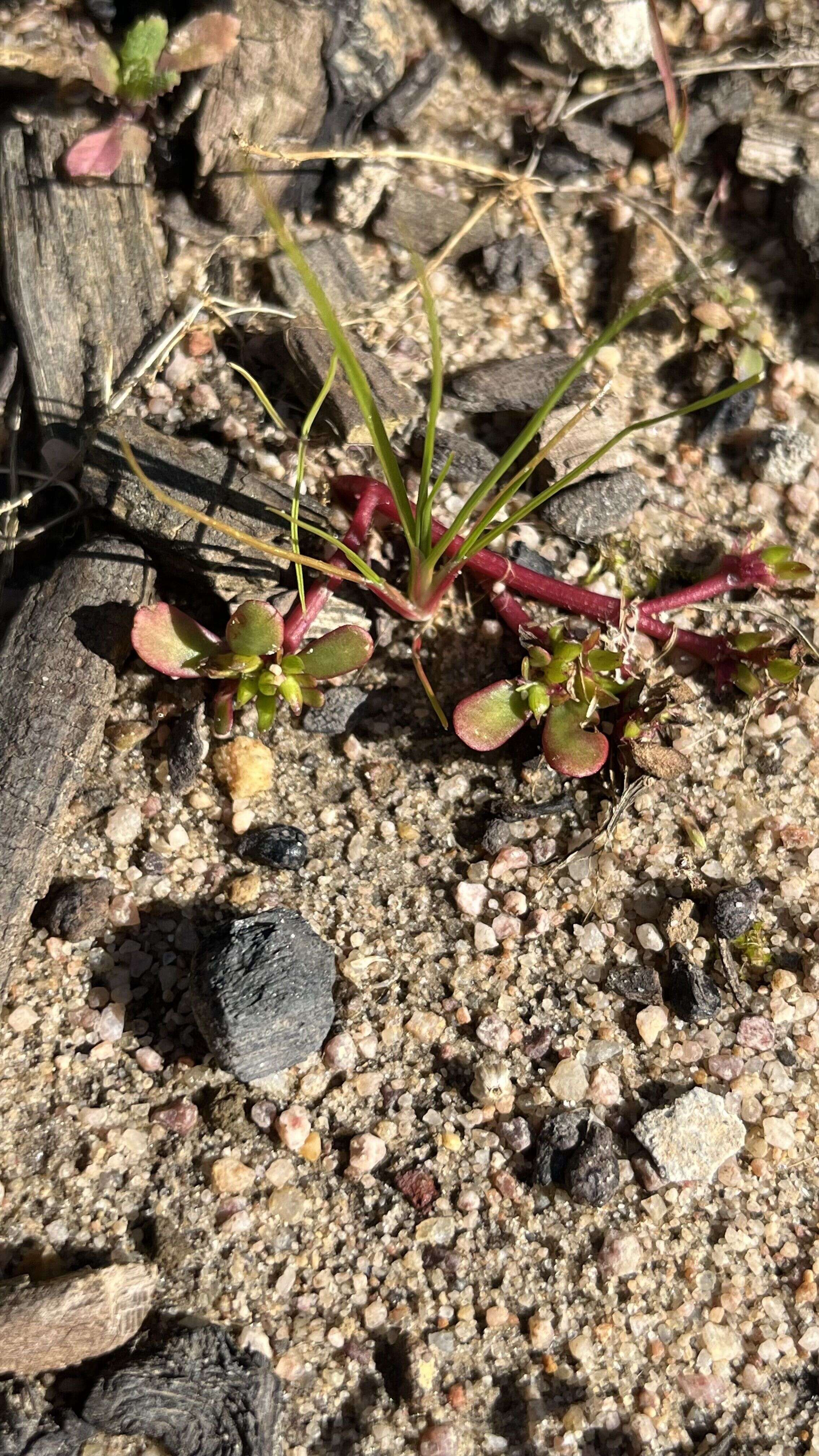
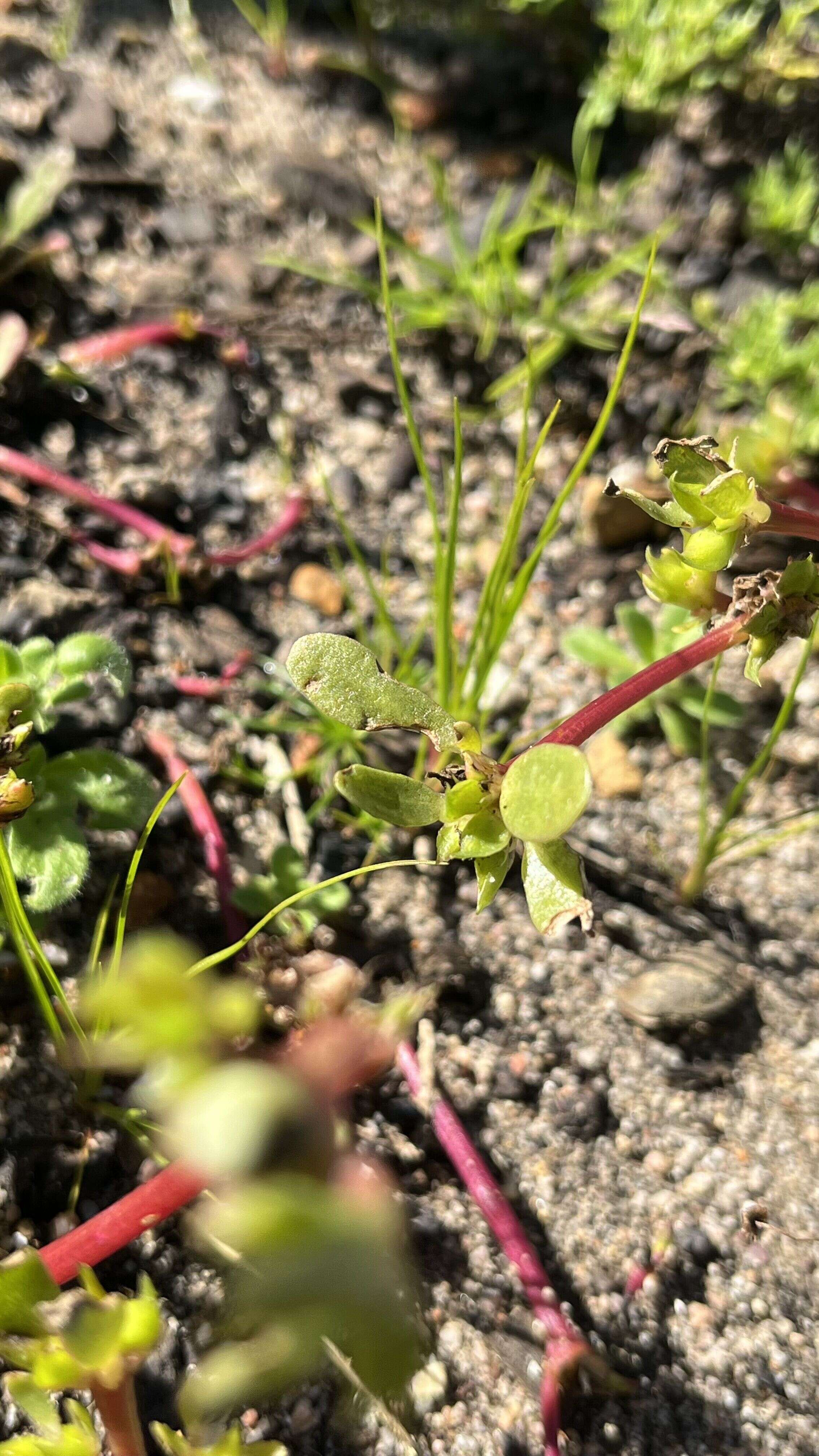
About: Purslane is a succulent, fast-growing annual plant known for its fleshy leaves and stems. It has been eaten and used medicinally for centuries across many cultures, and is now recognized for its high nutritional value. Though it often appears as a weed in gardens and pavement cracks, it is a valuable wild edible and is cultivated in some countries as a leafy green vegetable.
Identification: Purslane has smooth, reddish stems and small, paddle-shaped, succulent green leaves. The leaves grow in clusters at stem joints and ends. Its yellow flowers are small (about 5 mm across), with five petals, and usually open only on sunny mornings. It forms a low-growing, sprawling mat that can spread rapidly.
Habitat: Purslane thrives in disturbed soils, including gardens, driveways, sidewalks, and fields. It prefers sunny, well-drained sites and can tolerate dry conditions due to its succulent nature. In South Africa, it is widespread in both urban and rural areas and grows throughout the warmer months.
Uses: Purslane is edible and highly nutritious, containing high levels of omega-3 fatty acids, vitamins A and C, and various antioxidants. The leaves and tender stems can be eaten raw in salads or cooked in stews, soups, and stir-fries. It has a mildly sour, lemony taste due to its oxalic acid content. In traditional medicine, it has been used to treat digestive issues, fevers, and inflammation.
Harvesting Tips: Harvest the young stems and leaves using clean scissors or by pinching them off with your fingers. The best time to harvest is in the morning, before the heat of the day. Choose plants growing in clean, chemical-free areas. Purslane is prolific and regrows quickly, so harvesting it regularly encourages new growth.
Fun Fact: Purslane is one of the only leafy vegetables naturally rich in omega-3 fatty acids—usually found in fish—making it a valuable plant-based source for vegetarians and vegans.