Land
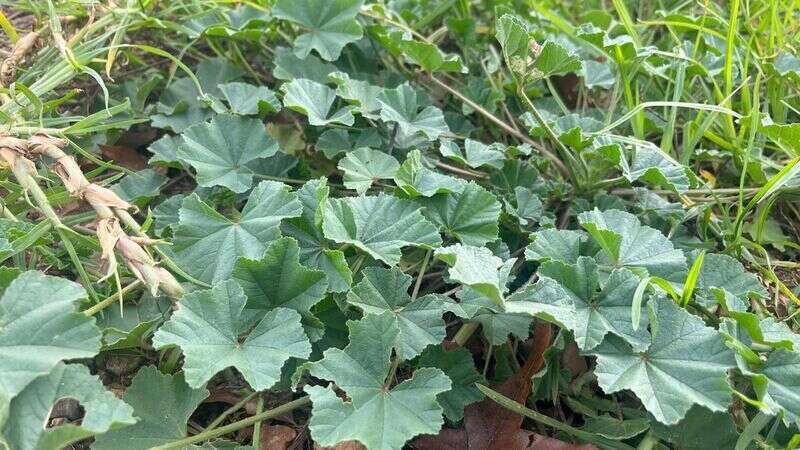


About: Common mallow is a perennial or biennial herb native to Europe, North Africa, and western Asia, now widely naturalized in South Africa and many other parts of the world. It has been used for centuries as a wild edible, a soothing medicinal herb, and even a dye plant. Known for its soft, round leaves and pretty purple flowers, mallow is rich in mucilage, a slippery plant compound that gives it both culinary and medicinal value.
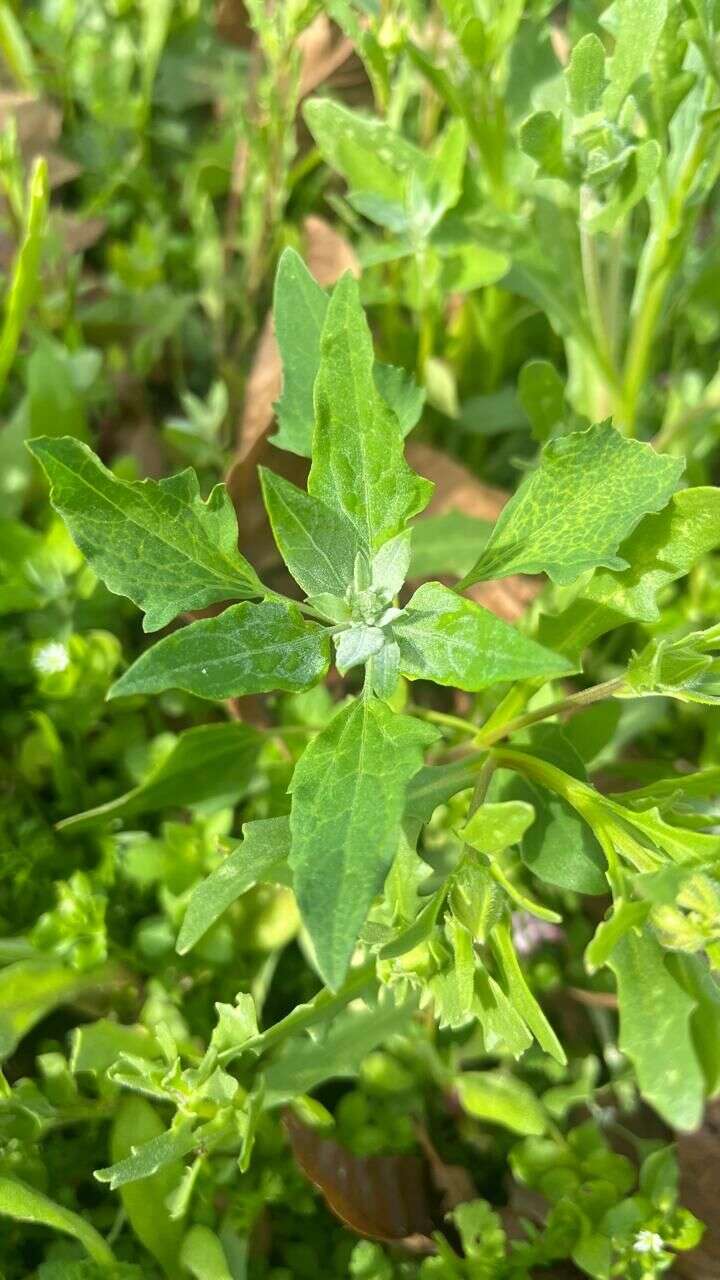
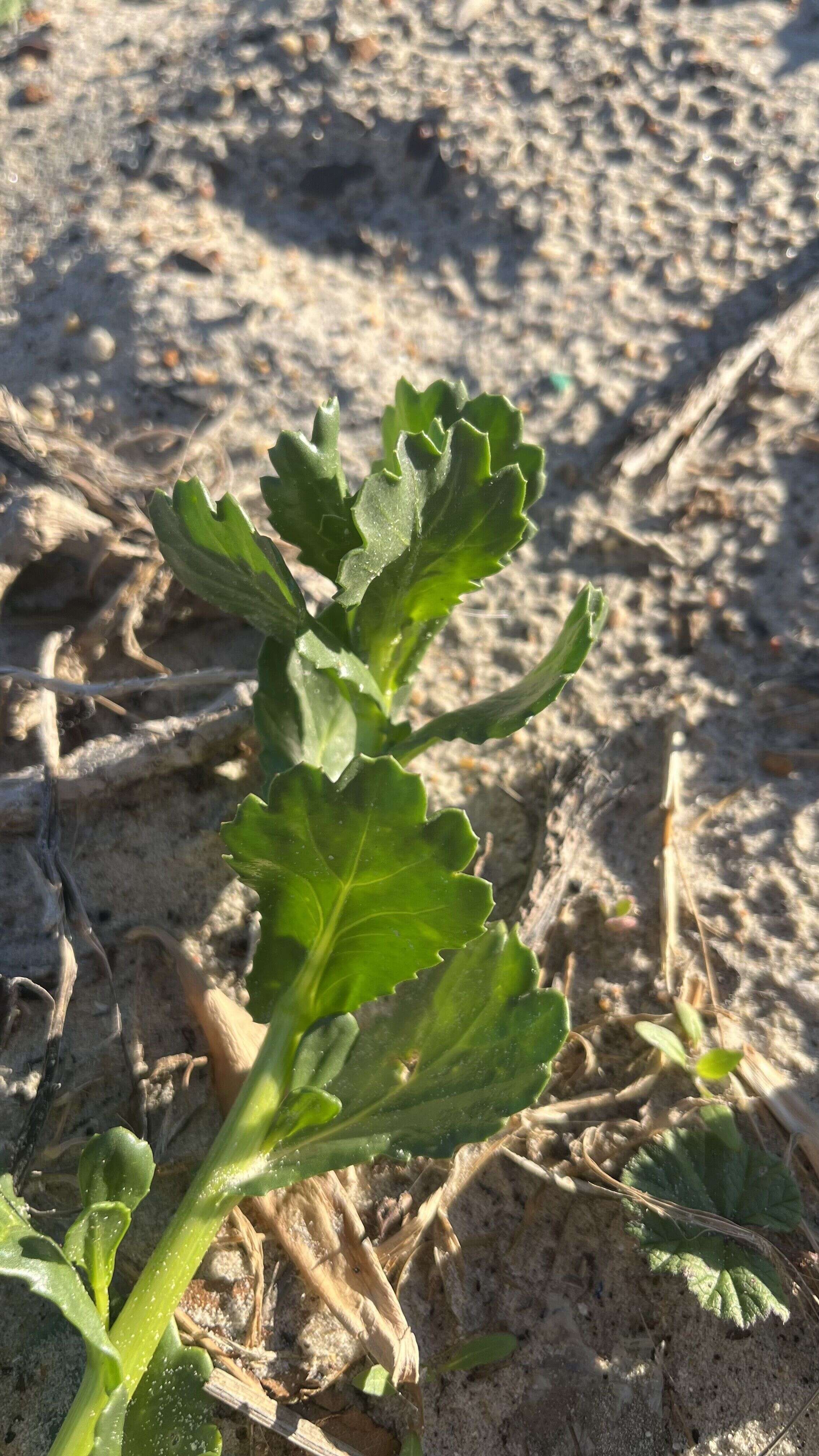
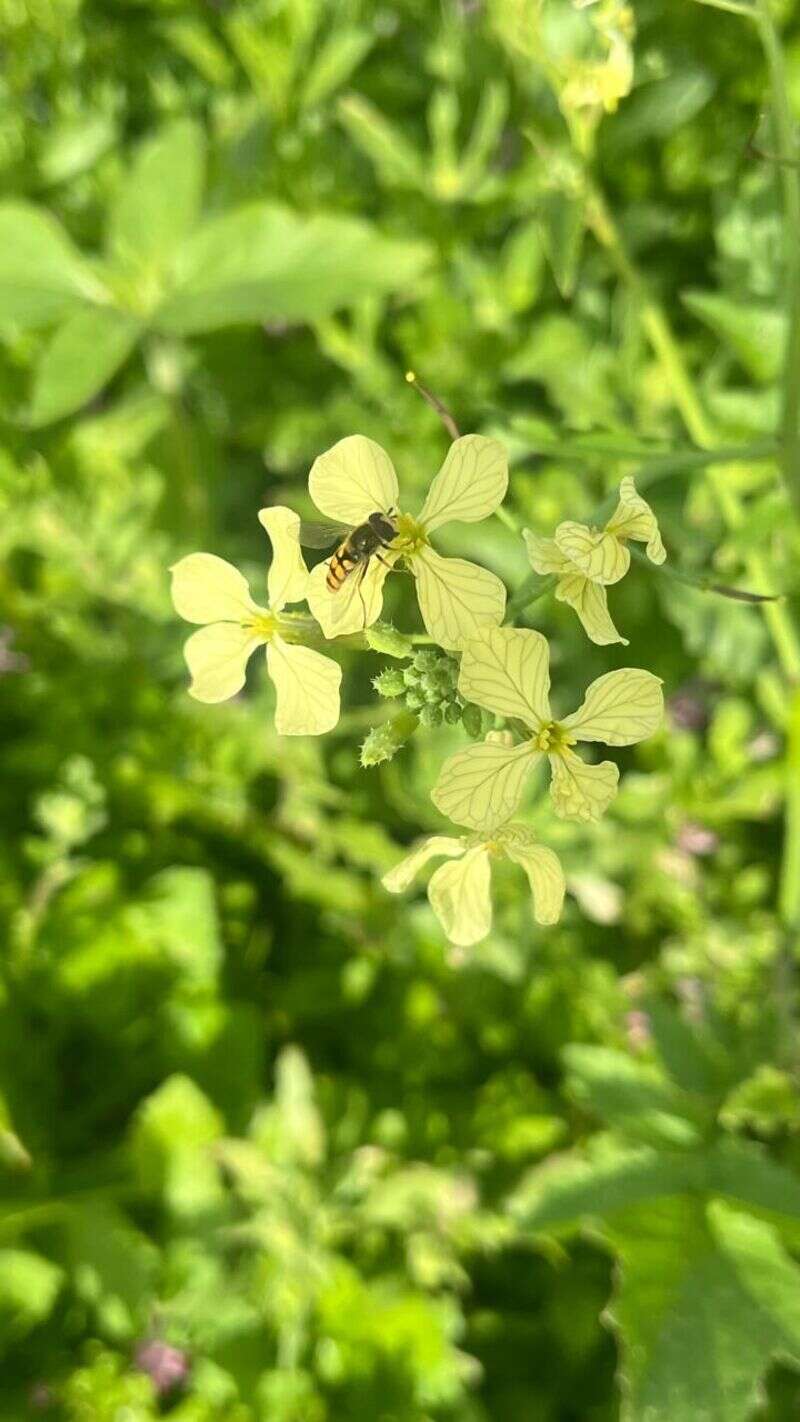
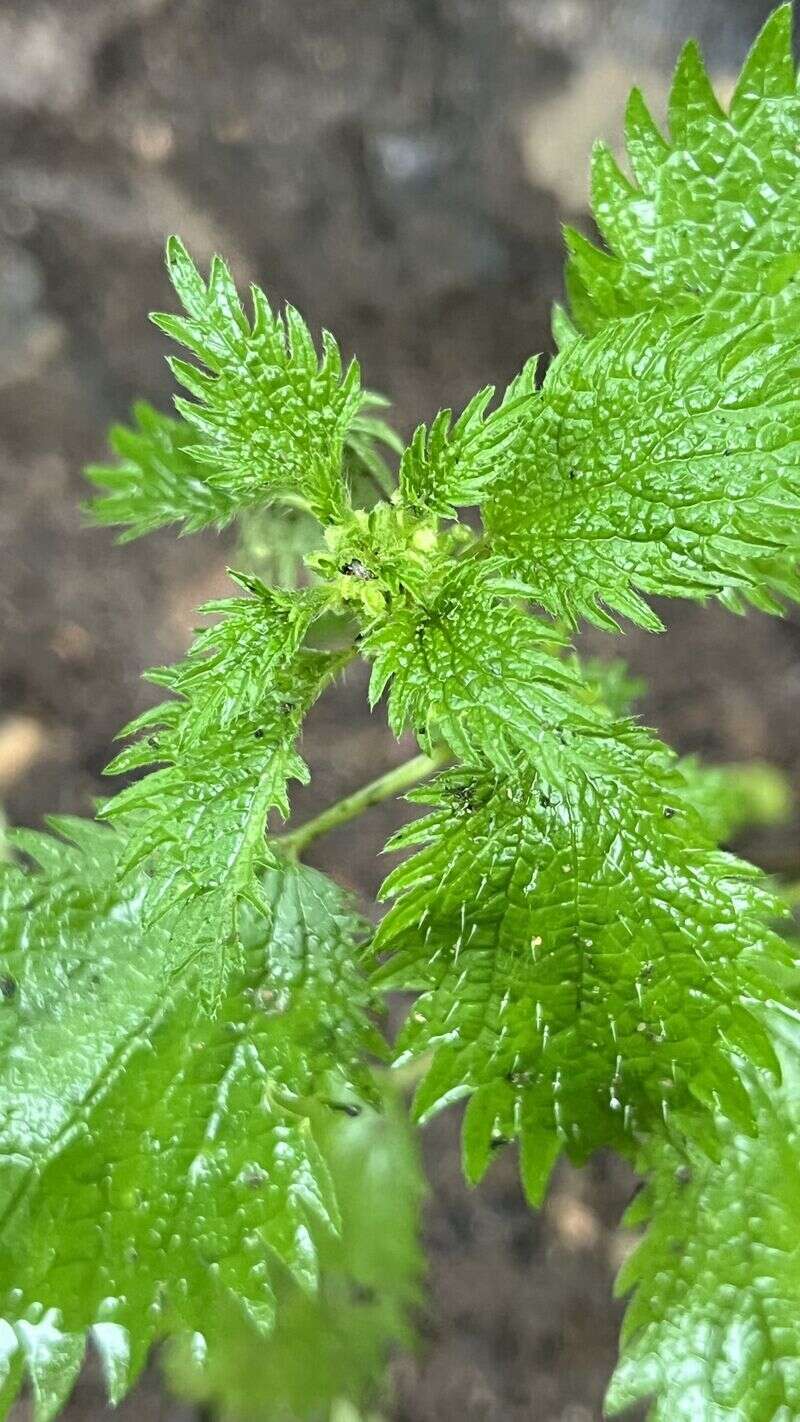
Identification: Mallow is a low-growing or spreading herb that can reach about 30 to 60 cm in height. Its leaves are round to heart-shaped with shallow lobes, resembling a scalloped hand. The surface of the leaf is slightly hairy with prominent veins, and the stems are also covered in fine hairs. The flowers are small (about 5–8 mm wide), pale pink to white, and have five petals. After flowering, it produces small, round, cheese-wheel shaped seed pods, which are one of the easiest ways to identify it—hence the name "cheeseweed."
Habitat: Mallow grows readily in disturbed soils, gardens, roadsides, open fields, vacant lots, and near livestock kraals. It prefers full sun to partial shade and does well in moderate to dry conditions. In South Africa, mallow can be found across most provinces, particularly in the Western Cape, Free State, and Eastern Cape, and it is most common in late winter and early spring, though it may appear year-round in mild climates.
Uses: All parts of the mallow plant are edible. The young leaves and shoots are tender and can be eaten raw in salads or cooked like spinach. They have a mild flavour and are slightly mucilaginous, which helps thicken soups and stews naturally. The seed pods can also be eaten raw when young and green, and are often a favourite among children for their nutty taste.
Medicinally, mallow has been used as a soothing herb for sore throats, coughs, digestive irritation, and inflamed skin. The mucilage in the leaves and roots forms a protective layer over mucous membranes, making it useful in teas or poultices for inflammation, ulcers, or dry coughs. It has also been used to treat insect bites, sunburn, and minor skin irritations.
Harvesting Tips: Harvest young, healthy leaves and shoots before the plant flowers for the best texture and flavour. Use clean scissors or pinch the tops by hand. Older leaves are still edible but may become tough or fibrous. The seed pods should be picked while they are still green and soft. Always gather from clean areas, away from roadsides, dumping sites, or sprayed gardens.
Mallow can be stored fresh in the fridge for a few days, or the leaves can be dried for use in teas or poultices later on.
Fun Fact: The Afrikaans name "Kaasjeskruid" comes from the word "kaas" (cheese), referring to the small, round seed pods that resemble tiny wheels of cheese. In ancient Greece and Rome, mallow was so widely used that it was considered a basic food and healing plant, often grown in household gardens. Its mucilaginous properties also make it an ancient natural remedy for constipation and digestive discomfort—long before commercial laxatives existed.